

Benefits of Installing MGPS in Assam for Healthcare Facilities
Healthcare infrastructure in India is evolving rapidly, with increased focus on patient safety, regulatory compliance, and operational efficiency. One of the most critical yet often overlooked components of modern healthcare facilities is the Medical Gas Pipeline System (MGPS). From oxygen and nitrous oxide to medical air and vacuum systems, MGPS plays a vital role in ensuring uninterrupted medical gas supply to critical care areas such as ICUs, operating theatres, emergency wards, and neonatal units.
In Assam, where healthcare demand is growing across both urban centres and rural regions, the need for reliable and compliant medical gas systems has never been greater. Government hospitals, private multispecialty centres, diagnostic clinics, and medical colleges are expanding to meet population needs, while also upgrading infrastructure to meet national and international healthcare standards. MGPS in Assam installation is no longer a luxury—it is a necessity for delivering safe, efficient, and scalable healthcare services. This article explores the key benefits of installing MGPS in healthcare facilities across Assam and explains why it is a strategic investment for modern medical institutions.
Improved Patient Safety and Care Quality
One of the most significant benefits of installing MGPS in Assam healthcare facilities is enhanced patient safety. Medical gases are life-supporting elements, especially for patients in critical condition. A centralised pipeline system ensures consistent pressure, purity, and availability of gases, minimising risks associated with cylinder mismanagement or supply delays.
MGPS also includes alarm systems that alert staff in case of pressure drops, leaks, or supply failure. This proactive monitoring allows immediate corrective action, reducing the likelihood of medical emergencies caused by gas shortages.
Operational Efficiency for Hospitals and Clinics
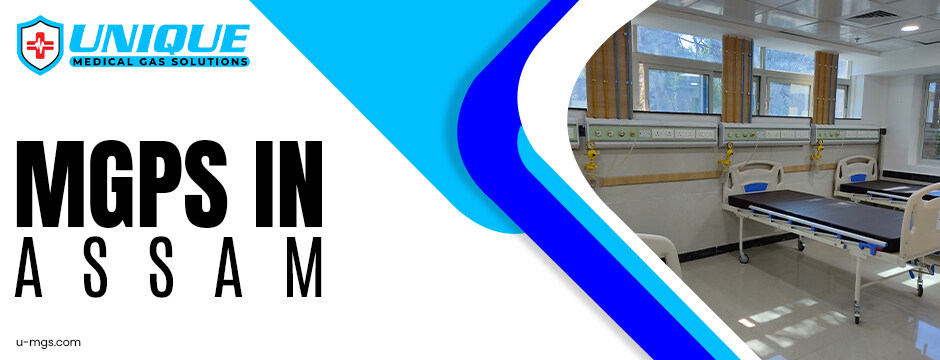
Manual handling of gas cylinders is labour-intensive, time-consuming, and prone to human error. With MGPS, healthcare staff can focus on patient care rather than logistical tasks. Gases are delivered directly to bedside outlets, operating theatres, and treatment rooms, improving workflow efficiency.
For hospitals in Assam—especially those serving high patient volumes or operating in remote areas—MGPS significantly streamlines daily operations and reduces dependency on frequent cylinder transportation.
Cost Savings Over the Long Term
While Medical Gas Pipeline System installation requires an initial investment, it offers substantial long-term cost benefits. Centralised systems reduce wastage, leakage, and emergency cylinder procurement costs. Bulk gas storage and controlled distribution help facilities manage consumption more efficiently.
In Assam, where transportation costs can be high due to terrain and weather conditions, reducing reliance on cylinder deliveries translates into measurable financial savings over time.
Compliance with Healthcare Regulations and Standards
Healthcare facilities in India are increasingly required to comply with standards set by NABH, NFPA, HTM, and other regulatory bodies. MGPS is a core requirement for accreditation, especially for ICUs, operating theatres, and emergency departments.
Installing a compliant MGPS helps hospitals and clinics in Assam meet inspection requirements, avoid penalties, and maintain credibility with patients, insurers, and government authorities.
Scalability for Growing Healthcare Infrastructure
Assam’s healthcare sector is expanding, with new hospitals, medical colleges, and diagnostic centres being developed. MGPS systems are designed with scalability in mind, allowing easy expansion as facilities grow.
Additional wards, floors, or departments can be integrated into the existing pipeline network without major structural changes. This makes MGPS a future-ready investment for healthcare providers planning long-term growth.
Enhanced Infection Control and Hygiene
Cylinder-based gas supply involves frequent handling, movement, and storage, which increases the risk of contamination. MGPS minimises physical handling of gas sources, significantly improving hygiene and infection control.
This is particularly important in operating theatres, ICUs, and neonatal units, where infection risks must be kept to an absolute minimum. For healthcare facilities in Assam aiming to improve clinical outcomes, MGPS supports safer environments.
Reliability During Emergencies and Disasters
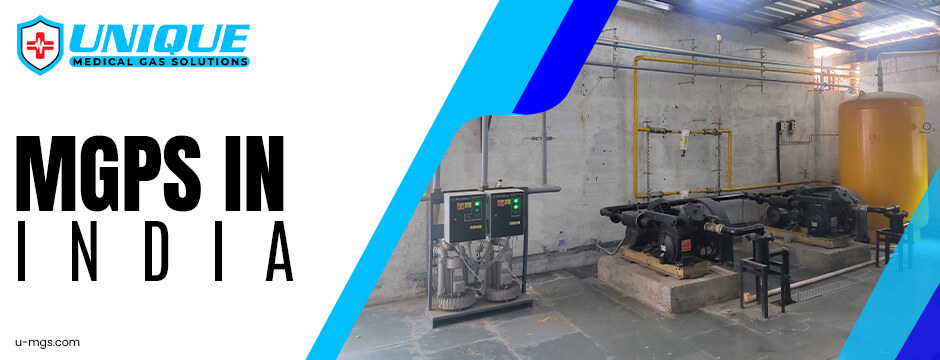
Assam is prone to floods and natural disruptions that can affect logistics and supply chains. MGPS in India systems with adequate storage and backup ensure an uninterrupted gas supply during emergencies, power outages, or transportation delays.
This reliability is critical during public health emergencies, mass casualty events, or natural disasters, enabling healthcare facilities to continue functioning when they are needed most.
Reduced Physical Strain and Workplace Safety
Handling heavy gas cylinders poses safety risks to hospital staff, including injuries and accidents. MGPS eliminates the need for manual lifting and movement of cylinders, creating a safer workplace environment.
This contributes to better staff morale, fewer workplace injuries, and compliance with occupational safety norms.
Environmental and Space Efficiency
MGPS reduces the need for large cylinder storage areas within hospital premises. This frees up valuable space that can be repurposed for patient care or clinical expansion.
Additionally, optimised gas usage and reduced wastage make MGPS a more environmentally responsible solution compared to traditional cylinder-based systems.
Bottom Line
Installing a Medical Gas Pipeline System is a strategic decision for healthcare facilities in Assam seeking to enhance patient safety, operational efficiency, regulatory compliance, and long-term sustainability. From ensuring uninterrupted medical gas supply to supporting emergency preparedness and infrastructure scalability, MGPS plays a foundational role in modern healthcare delivery.
For hospitals, clinics, and medical institutions looking for reliable, compliant, and expertly engineered MGPS in Assam solutions, Unique Medical Gas Solutions offers end-to-end services—from design and installation to testing and maintenance—tailored to the unique needs of healthcare facilities across India.
Frequently Asked Questions (FAQ)
MGPS in Assam ensures safe, continuous medical gas delivery, improving patient care, operational efficiency, and compliance with healthcare standards in Assam.
MGPS supplies oxygen, medical air, nitrous oxide, carbon dioxide, and vacuum systems to critical hospital departments safely.
Yes, MGPS is required for accreditation and compliance in ICUs, operating theatres, emergency wards, and critical care units.
MGPS minimises gas wastage, reduces cylinder handling, lowers transport expenses, and improves long-term cost efficiency.
Yes, MGPS is scalable and can be easily extended to new wards, floors, or departments without major infrastructure changes.


No comment