

Delhi’s healthcare infrastructure is among the most advanced in India, with both government and private hospitals striving to deliver world-class medical services. In this competitive and highly sensitive environment, hospitals must not only focus on cutting-edge equipment and trained staff but also on seamless, uninterrupted delivery of life-saving medical gases. This is where a Medical Gas Pipeline System (MGPS) plays a critical role.
An MGPS is a centralised network that ensures the safe, continuous, and efficient supply of medical gases—such as oxygen, nitrous oxide, medical air, and vacuum—to various departments within a hospital. Rather than relying on individual cylinders, which are cumbersome and prone to delays, a well-designed MGPS guarantees reliability and safety at every bedside. Below are the top reasons why installing the best MGPS in Delhi hospitals is a strategic decision that supports quality healthcare delivery.
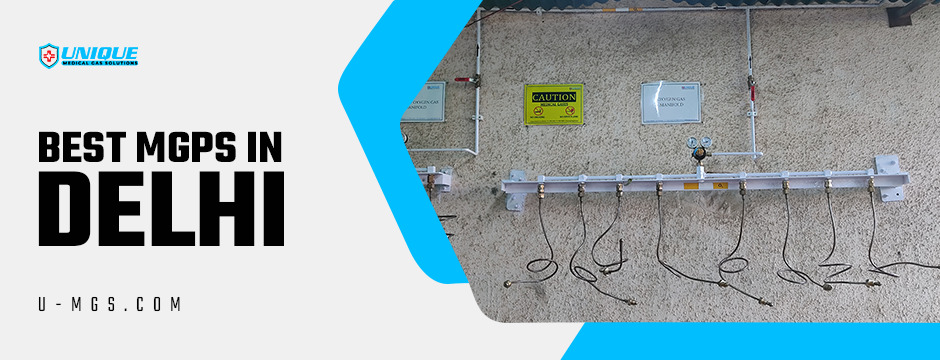
Reasons To Choose The Best MGPS in Delhi Hospitals
Uninterrupted and Reliable Medical Gas Supply
In a hospital environment, the availability of medical gases like oxygen and vacuum can mean the difference between life and death. A properly installed MGPS ensures a continuous and stable gas supply to all wards, operating theatres, ICUs, and recovery rooms.
Unlike cylinder-based systems that can run out or face logistical delays, MGPS uses centralised storage and distribution networks, eliminating disruptions. In high-demand scenarios, such as emergency surgeries or mass casualty incidents, this reliability ensures that critical treatments are never delayed due to a lack of oxygen or other medical gases.
Enhanced Patient Safety and Infection Control
One of the primary benefits of Best MGPS in Delhi is its contribution to patient safety. Traditional cylinder systems can introduce contaminants, involve frequent handling, and pose leakage risks. With MGPS, gases are supplied through sealed pipelines with medical-grade copper, which prevents contamination and ensures consistent purity levels.
Additionally, pipeline systems reduce the need for cylinder movement inside wards, lowering the risk of cross-infection and maintaining sterile environments, especially in sensitive areas like ICUs and operating theatres. For hospitals in Delhi that often face high patient volumes, this translates to better infection control and safer patient outcomes.
Improved Operational Efficiency
Hospitals equipped with MGPS experience significant operational advantages. With centralised monitoring and automatic switchover systems, staff no longer need to manually replace cylinders or check for pressure levels repeatedly.
This streamlined process allows medical teams to focus more on patient care rather than logistics. The system also includes alarms and indicators that alert staff in real-time if any abnormal pressure or supply issues occur, enabling quick action before it affect patient care. For busy hospitals in Delhi, this efficiency can lead to improved workflow, shorter turnaround times, and better utilisation of manpower.
Compliance with Safety and Regulatory Standards
In India, medical facilities must adhere to strict safety and quality regulations set by bodies like the Central Drugs Standard Control Organisation (CDSCO) and the National Accreditation Board for Hospitals (NABH). Installing a high-quality MGPS ensures compliance with these standards.
MGPS systems are designed with safety features such as pressure regulators, zone valves, alarms, and emergency shut-off mechanisms. By meeting these regulatory requirements, hospitals not only ensure patient safety but also position themselves for successful accreditation—a key factor for building credibility and attracting more patients.
Scalability for Future Hospital Expansion
Delhi’s hospitals are constantly expanding to meet the growing healthcare demands of the population. A major advantage of the Best MGPS in Delhi is that it’s highly scalable. Once the core pipeline infrastructure is installed, additional outlets, zones, or wards can be connected with minimal disruption.
This flexibility makes MGPS a future-proof investment. Hospitals can easily adapt their pipeline network as they add more operating theatres, ICUs, or specialised care units, ensuring that their medical gas delivery system keeps pace with their growth.
Cost Savings Over Time
While installing a medical gas pipeline system requires an upfront investment, the long-term cost benefits are significant. Managing individual cylinders involves frequent transportation, manual labour, storage, and risk of wastage through leaks or improper handling.
MGPS reduces these recurring costs by centralising gas storage and minimising manual intervention. Additionally, automated switchover systems help avoid gas wastage. Over time, hospitals save money on procurement, manpower, and operational inefficiencies, making MGPS a cost-effective choice for institutions in Delhi.
Enhanced Aesthetic and Space Utilisation
Hospitals in metro cities like Delhi often face space constraints, especially in older buildings or smaller private setups. MGPS in India eliminates the clutter of multiple cylinders in wards and corridors by integrating gas outlets neatly into wall panels or bed head units.
This not only improves the hospital’s aesthetic appeal but also enhances mobility within wards, ensuring clear pathways for staff and equipment. A well-organised environment contributes to better patient experiences and safer hospital operations.
Improved Emergency Preparedness
During crises like pandemics or mass casualty incidents, hospitals experience unprecedented demand for medical oxygen. An MGPS with adequate storage capacity and backup systems ensures hospitals are always prepared.
Centralised monitoring allows for immediate adjustments in supply, and emergency reserve manifolds provide additional gas without delays. For Delhi hospitals, which often face emergency surges, this preparedness can be crucial in saving numerous lives.
Professional Image and Patient Trust
A modern, well-maintained MGPS reflects a hospital’s commitment to quality and safety, building trust among patients and their families. In a competitive healthcare environment like Delhi, patients often choose facilities that offer the best infrastructure.
Having a state-of-the-art MGPS can enhance a hospital’s reputation, attract top medical talent, and increase patient footfall—benefiting both public perception and business growth.
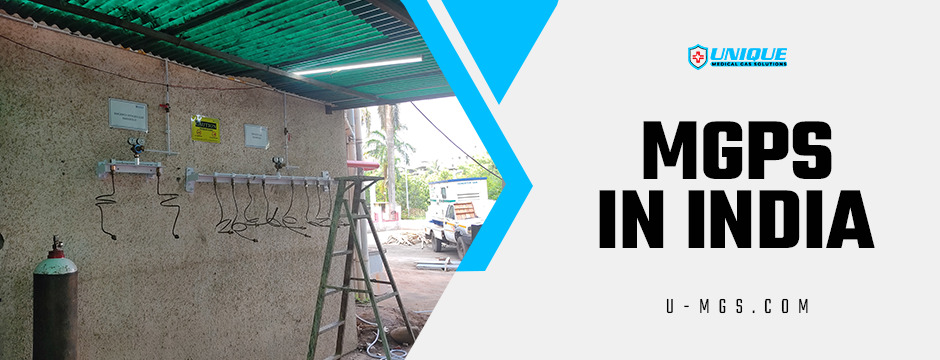
Wrapping Up
Installing the Best MGPS in Delhi is not just a technical upgrade; it’s a critical step toward delivering reliable, safe, and efficient healthcare. From uninterrupted gas supply and improved safety to cost savings and regulatory compliance, MGPS offers a range of benefits that make it indispensable for modern hospitals in Delhi.
If your hospital is planning to upgrade or install a new MGPS, partnering with experts ensures quality and compliance at every step. Unique Medical Gas Solutions is a trusted name in MGPS installation, offering end-to-end solutions tailored to your hospital’s needs. With our proven expertise and high-quality systems, you can ensure your facility is equipped to meet today’s demands and tomorrow’s challenges.


No comment