

Why Leading Surgeons Prefer Modular OT in Imphal?
Imphal — the vibrant heart of Manipur — has seen rapid growth not just in culture and education, but also in its healthcare infrastructure. In recent years, the city’s hospitals and surgical centres have increasingly adopted modular operating theatres (OTs) as the gold standard for surgical environments. Compared with traditional, brick-and-mortar operating rooms, modular OTs are designed with precision engineering and advanced medical specifications that support better patient outcomes, enhanced surgical workflow, and higher safety standards. This shift isn’t arbitrary — it’s driven by the collective preference of leading surgeons in Imphal, who demand performance, reliability, and uncompromising cleanliness in high-stakes surgical settings.
Surgeons are entrusted daily with complex and often life-saving procedures, from general surgery to orthopaedics, gynaecology, and trauma care. In such high-pressure environments, the structure and systems of the operating room itself can influence both efficiency and patient safety. A Modular OT in Imphal provide a modern solution that harmonises clinical needs and technological innovation, proving especially valuable in cities like Imphal, where rapid healthcare advancements are underway. By integrating controlled environments, easy-to-clean materials, and advanced airflow systems, these theatres have become the preferred choice for clinical leaders who prioritise trust, speed, and surgical success.
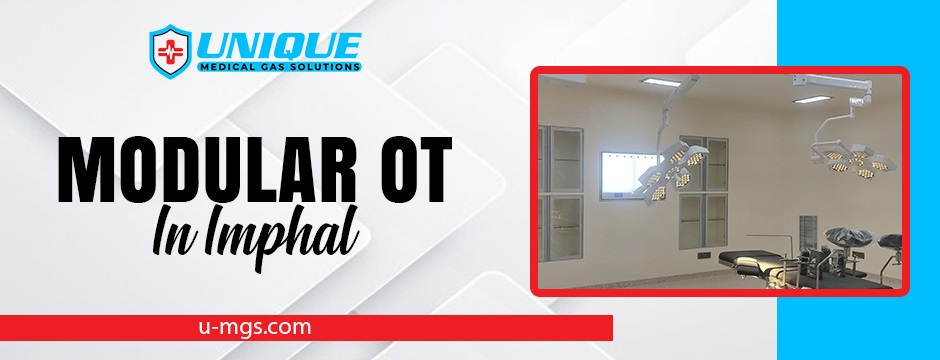
Enhanced Infection Control — A Top Priority for Surgeons
Infection control is one of the most compelling reasons leading surgeons in Imphal favour modular OTs. These theatres are engineered with HEPA filtration, laminar airflow systems, seamless wall panels, and antimicrobial surfaces that dramatically reduce airborne bacteria, contaminants, and pathogens — a key factor in preventing surgical site infections. (–)
Unlike conventional OT spaces that can have gaps, seams, and traditional construction materials where contaminants cling, modular systems use non-porous, easy-to-sterilise surfaces and controlled air handling to maintain highly sterile conditions. This creates a safer environment for both patients and surgical teams — especially crucial in trauma or emergency surgery when the risk of infection must be minimised. In regions like Imphal, where tropical climates can complicate hygienic control, this advanced air quality management is a game-changer. The reduction of postoperative infections not only boosts patient outcomes but also shortens hospital stays and decreases overall treatment costs.
Precision-Designed Environments for Complex Procedures
Leading surgeons in Imphal are performing ever-more intricate procedures — from laparoscopic surgeries to specialised orthopaedic and vascular interventions. Modular OTs are designed with the flexibility to accommodate advanced surgical technologies and ergonomic workflows. These facilities provide integrated medical gas lines, optimal lighting systems, and seamless equipment positioning, which ensures that all necessary tools and devices are within easy reach.
This level of ergonomic design reduces unnecessary movement during surgery, enhances focus, and can improve operative precision. The result is a more controlled and predictable surgical environment that experienced surgeons highly value. Modular layouts can also support future upgrades — whether it’s integrating imaging units or adding robotic arms — without extensive demolition or construction. This adaptability allows Imphal’s healthcare institutions to stay ahead of technological advancements without interrupting clinical operations.
Faster Installation — Critical for Expanding Healthcare Capacity
One of the most practical advantages of modular OTs is the speed of installation. Unlike traditional surgical theatres that may take months to build and prepare, modular systems are prefabricated off-site and assembled on-site quickly.
For a growing city like Imphal, where hospitals are expanding to meet increasing healthcare demand, this faster deployment means bringing advanced surgical capacity online sooner — a vital advantage in reducing surgical backlogs and improving access to care. Surgeons appreciate that modular OTs minimise downtime and help institutions respond rapidly to community health needs without sacrificing quality or safety.
Customisation That Matches Clinical Needs
Every surgical speciality has unique requirements — from lighting angles to table positioning, gas supply configurations, and space for ancillary staff. A Modular OT in Imphal offers unmatched customisation options that can be tailored to each hospital’s specific clinical use cases.
In Imphal, this means surgeons can work in spaces designed for their workflows rather than adapting to outdated or one-size-fits-all operating rooms. Whether it’s orthopaedic drilling rigs, neuro-microscopic equipment, or specialised imaging devices, modular theatres allow for layout configurations and equipment setups that enhance performance and comfort.
Improved Workflow & Efficiency
A top priority for leading surgeons is efficient OR turnover. Modular OTs are engineered to enhance workflow efficiency: from sterile prep to surgical steps and post-operative hand-offs.
Integrated systems ensure that equipment, lighting, and medical supplies are positioned optimally for team coordination. The theatre’s layout supports smooth transitions between procedures, faster cleaning, and better instrument accessibility. This streamlined approach means more surgeries can be performed safely in less time, boosting productivity and improving patient throughput without compromising care quality.
Cost-Effectiveness in the Long Run
While the initial investment in a Modular OT in India may be higher than some traditional builds, the long-term cost benefits appeal to both administrators and surgeons.
Modular systems require less maintenance, are easier to clean, and adapt to evolving medical technologies — reducing renovation costs down the line. Their energy-efficient designs also help lower operational costs. For hospitals in Imphal operating with budget constraints, these savings are crucial. Surgeons understand that reduced maintenance downtime and reliable infrastructure translate into consistent surgical performance and better patient scheduling.
Supporting Emergency Surgical Care
Modular OTs are especially valued in emergency and trauma care settings, where rapid response and a controlled environment are essential.
Because they can be configured quickly and support a wide range of urgent surgical needs, modular theatres ensure that critical cases — from accidents to acute appendicitis — are treated promptly. Surgeons in busy hospitals appreciate the flexibility that allows immediate adaptation for specialised emergency scenarios, without waiting for long construction or renovation periods.
Final Thoughts
In Imphal’s evolving healthcare ecosystem, modular operating theatres have emerged as the preferred choice of leading surgeons for good reason. Combining infection control, ergonomic precision, workflow efficiency, flexibility, and scalability, these specialised spaces enhance both patient safety and surgical performance. They represent an important leap forward from traditional operating rooms and provide a strong foundation for future medical advancements in the region.For hospitals and surgical centres aiming to offer world-class surgical care, investing in Modular OT in Imphal infrastructure is not just a trend — it’s a strategic move toward lasting excellence. To explore high-quality modular OT solutions and turnkey implementation services, consider partnering with Unique Medical Gas Solutions — a trusted provider of advanced modular operating theatre systems tailored to meet the needs of modern healthcare facilities.
Frequently Asked Questions (FAQ)
A modular operating theatre is a prefabricated, controlled surgical environment designed using seamless panels, advanced air filtration systems, and integrated medical infrastructure to ensure high levels of sterility and efficiency.
Surgeons in Imphal prefer a Modular OT in Imphal because they offer superior infection control, better airflow management, ergonomic layouts, and advanced integration for modern surgical equipment, resulting in safer and more efficient procedures.
Modular OTs use HEPA filters, laminar airflow systems, and non-porous surfaces that prevent microbial growth and minimise airborne contamination, significantly lowering the risk of surgical site infections.
Yes, modular OTs can be customised for various specialties including general surgery, orthopaedics, gynaecology, neurosurgery, and emergency procedures, making them highly versatile for hospitals and surgical centres.
Although the initial cost may be higher, modular OTs are cost-effective in the long run due to reduced maintenance, faster installation, energy efficiency, and easier upgrades as surgical technology evolves.


No comment