

Medical Gas Pipeline Systems (MGPS) are the silent backbone of modern healthcare facilities. From delivering life-saving oxygen in ICUs to ensuring safe anaesthetic gas supply in operating theatres, MGPS plays a critical role in patient safety and clinical efficiency. In a rapidly developing healthcare hub like Dwarka, where new hospitals, nursing homes, and speciality clinics are emerging, installing a compliant and future-ready MGPS is no longer optional—it is essential.
Hospitals and clinics in Dwarka must navigate a complex mix of clinical needs, safety regulations, space constraints, and long-term scalability while planning MGPS installation. A poorly designed or non-compliant system can lead to gas contamination, pressure failures, increased operational costs, and serious safety risks for both patients and medical staff. On the other hand, a well-planned MGPS ensures uninterrupted gas supply, easier maintenance, regulatory compliance, and enhanced trust among patients and accreditation bodies. This blog explores the most important considerations hospitals and clinics must evaluate before installing an MGPS in Dwarka.
Understanding MGPS and Its Role in Healthcare
An MGPS is an integrated network that supplies medical gases such as oxygen, nitrous oxide, medical air, vacuum, and carbon dioxide from a central source to various points of use across a healthcare facility. These gases are essential for surgeries, emergency care, diagnostics, and respiratory therapies.
In facilities where patient volumes are high and critical care is frequent, manual cylinder handling becomes inefficient and unsafe. Medical Gas Pipeline System eliminates this dependency by providing a centralised, controlled, and continuous gas supply.
Key Factors Hospitals and Clinics in Dwarka Must Consider
Compliance with Standards and Regulations
One of the most critical aspects of MGPS installation is adherence to national and international standards. Hospitals in Dwarka must ensure compliance with:
- HTM 02-01 (UK standard)
- ISO standards for medical gas systems
- NABH and local healthcare safety guidelines
- Fire safety and electrical integration norms
Non-compliance can result in penalties, accreditation issues, or even operational shutdowns. Always ensure that the system design, materials, and installation processes meet certified standards.
Facility Size and Departmental Requirements
Every hospital or clinic has unique requirements depending on its size and speciality. A multi-speciality hospital in Dwarka will need a more complex MGPS than a single-speciality clinic.
Key considerations include:
- Number of beds (general, ICU, NICU)
- Operating theatres and recovery rooms
- Emergency and trauma units
- Diagnostic and imaging departments
Gas demand calculations must be accurate to prevent under-capacity or unnecessary oversizing
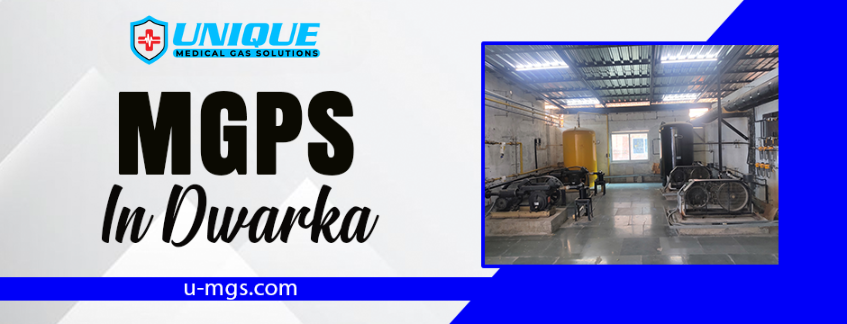
.
Choice of Medical Gases and System Configuration
Hospitals must clearly identify which gases are required and where. Common medical gases include:
- Oxygen
- Medical Air (4 bar & 7 bar)
- Vacuum
- Nitrous Oxide
- Anaesthetic Gas Scavenging System (AGSS)
Each gas requires specific pipeline materials, alarms, valves, and terminal units. A flexible system design allows future expansion without major disruptions.
Safety Features and Alarm Systems
Patient safety is non-negotiable. A robust MGPS in Dwarka includes:
- Area and master alarm systems
- Emergency shut-off valves
- Gas-specific pipeline identification
- Pressure monitoring and redundancy
In high-risk areas like ICUs and OTs, real-time alerts help medical staff respond immediately to pressure drops or leaks.
Quality of Materials and Installation
Medical gas pipelines require specialised materials such as degreased copper pipes, medical-grade valves, and certified terminal outlets. Substandard materials can lead to contamination, corrosion, or leakage.
Equally important is installation quality. Brazing, pressure testing, and commissioning must be carried out by trained professionals using validated procedures.
Integration with Existing Infrastructure
Many clinics in Dwarka operate in leased or retrofitted buildings. MGPS installation in such facilities requires careful planning to integrate with:
- HVAC systems
- Electrical layouts
- Fire suppression systems
- Building architecture
Poor coordination can lead to structural issues, delays, and increased costs.
Future Scalability and Expansion
Healthcare demands evolve. A clinic today may become a multi-floor hospital tomorrow. MGPS design should account for:
- Additional beds
- New departments
- Increased gas consumption
Planning for scalability reduces future downtime and renovation costs.
Maintenance, Servicing, and Staff Training
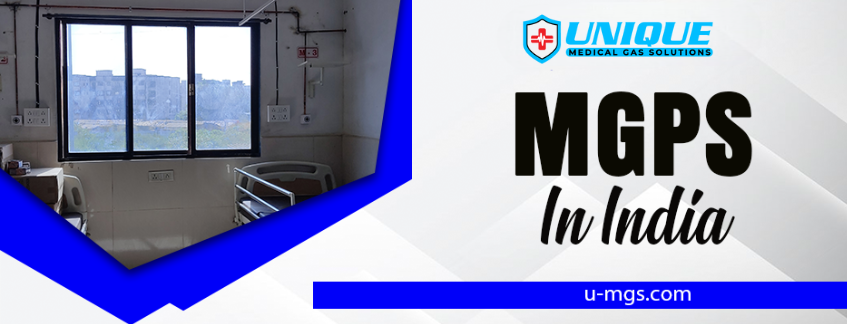
An MGPS in India is a long-term investment that requires regular maintenance. Hospitals should consider:
- Ease of access for servicing
- Availability of spare parts
- Preventive maintenance schedules
- Staff training on emergency procedures
A well-maintained system improves reliability and extends equipment lifespan.
Vendor Expertise and End-to-End Support
Choosing the right MGPS provider is as important as system design. Hospitals should look for vendors who offer:
- Site assessment and consultation
- Custom system design
- Installation and commissioning
- Documentation and compliance support
- After-sales service and AMC options
Local experience in Dwarka or Delhi NCR is an added advantage, as it ensures familiarity with regional regulations and infrastructure challenges.
Common Mistakes to Avoid During MGPS Installation
- Ignoring future expansion needs
- Using non-certified materials
- Poor coordination between architects and MGPS designers
- Skipping alarm and redundancy systems
- Choosing vendors based solely on cost
Avoiding these mistakes can save hospitals from operational disruptions and safety risks.
End Words
Installing an MGPS in Dwarka is a mission-critical decision for hospitals and clinics. From compliance and safety to scalability and maintenance, every aspect must be carefully planned and professionally executed. A reliable MGPS not only enhances clinical efficiency but also strengthens patient trust and regulatory confidence.
If you are planning a new MGPS installation or upgrading an existing system, it is essential to work with experienced professionals who understand both technical standards and real-world hospital operations. Unique Medical Gas Solutions offers end-to-end MGPS solutions tailored to the needs of modern healthcare facilities, ensuring safety, compliance, and long-term performance.
Frequently Asked Questions
MGPS in Dwarka is a centralised system that supplies medical gases like oxygen, medical air, and vacuum throughout a healthcare facility. For hospitals in Dwarka, MGPS ensures uninterrupted gas availability, improves patient safety, reduces manual cylinder handling, and supports compliance with healthcare accreditation standards.
A standard MGPS installation typically includes oxygen, medical air (4 bar and 7 bar), vacuum, nitrous oxide, and sometimes an Anaesthetic Gas Scavenging System (AGSS). The exact configuration depends on the hospital’s departments, bed capacity, and clinical services offered.
MGPS installations in India should comply with standards such as HTM 02-01, relevant ISO certifications, NABH guidelines, and local fire and safety regulations. Compliance ensures patient safety, smooth accreditation, and uninterrupted hospital operations.
Yes, MGPS can be installed in existing or retrofit buildings, but it requires careful planning. Factors like space availability, structural layout, HVAC coordination, and fire safety integration must be assessed to ensure safe and efficient installation without disrupting ongoing operations.
MGPS systems require regular preventive maintenance, typically scheduled quarterly or biannually, along with periodic pressure testing and alarm checks. Routine servicing helps detect leaks early, maintain compliance, and ensure continuous and safe gas delivery across the facility.


No comment