

Healthcare infrastructure has advanced rapidly across India in recent years, and the hilly terrains of Himachal Pradesh are no exception. In remote and mountainous regions, where road access, logistics, and resource constraints pose regular challenges, a reliable healthcare ecosystem becomes even more vital. Among the many technological components that support modern hospitals and clinics, one stands out for its silent yet life-saving role — the Medical Gas Pipeline System (MGPS).
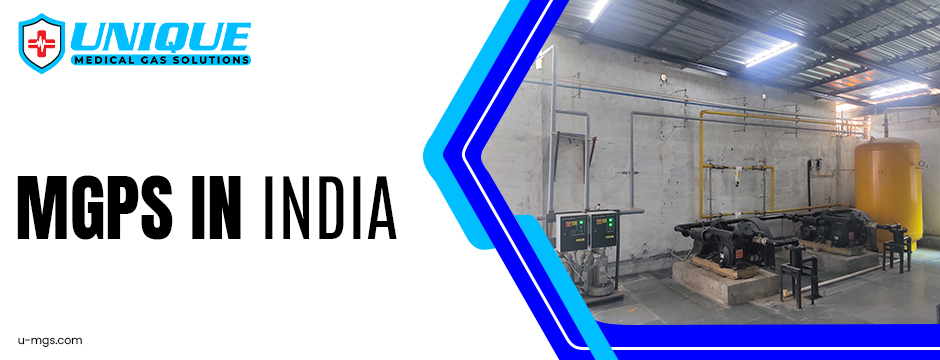
MGPS is a centralised network of pipelines and control systems designed to deliver essential medical gases — such as oxygen, medical air, nitrous oxide, vacuum (suction), and others — directly from a central source to multiple points within a health facility. These gases are invaluable for critical care, anaesthesia, respiratory support, surgeries, and emergency treatments. This blog explores why MGPS in Himachal Pradesh are critical for the modern medical landscape, how they improve clinical outcomes, support healthcare workers, and contribute to sustainable, safe, and efficient patient care.
What Is an MGPS and Why Does It Matter
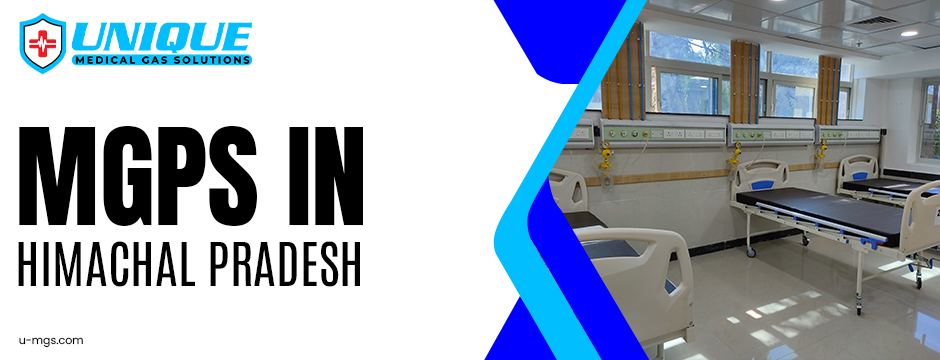
A Medical Gas Pipeline System (MGPS) is an integrated engineering setup that ensures uninterrupted, safe, and controlled delivery of medical gases to key areas within a hospital or healthcare facility — like intensive care units (ICUs), operating theatres, emergency departments, and ward bedsides.
Unlike portable cylinders that require frequent manual handling, storage space, and replenishment, an MGPS:
- Provides a continuous supply, minimising delays in emergencies.
- Reduces logistical challenges related to transporting gas cylinders — especially in remote Himalayan regions.
- Lowers the risk of accidents like gas leaks or cylinder mishandling.
- Improves patient safety and care outcomes by delivering gas at regulated pressures and purity.
For regions like Himachal Pradesh, where timely oxygen delivery can be a matter of life and death in high-altitude sickness, trauma care, or respiratory distress cases, a robust MGPS can make a world of difference.
Ensuring Reliable Oxygen Supply in Critical Care
Oxygen is the most frequently used medical gas in any hospital setting — vital for ventilation support, anaesthesia, emergency care, and critical patient stabilisation.
In Himachal Pradesh’s healthcare facilities, traditional dependency on portable oxygen cylinders often leads to:
- Delays in reaching patient points of care.
- Storage and handling difficulties.
- Higher operational costs and waste.
In contrast, an MGPS supplies oxygen directly where needed, at a reliable flow and pressure. This is crucial during peak demands — for example, in disaster response or seasonal surges of respiratory illnesses — and especially in high-altitude facilities where transporting cylinders can be unpredictable due to weather or road blockages.
Enhancing Emergency and Surgical Capabilities
Modern surgical suites and emergency departments require a combination of gases — including oxygen, nitrous oxide, medical air, and vacuum suction — to function optimally.
An MGPS in India:
- Standardises the gas delivery for anaesthetic machines, ventilators, and suction apparatus.
- Reduces the time clinicians spend managing logistics so they can focus on patient care.
- Supports multi-disciplinary care from trauma to critical illness.
For a state like Himachal Pradesh, already investing in upgraded medical facilities, MGPS systems ensure that surgical units and trauma care centres are fully supported with life-critical gases round the clock with minimal downtime.
Improving Safety and Reducing Risk
Portable gas cylinders come with inherent safety challenges — risk of leakage, improper handling, accidental disconnection, or compressor failure.
MGPS systems:
- Use centralised storage and piping to reduce the risk of mishaps.
- Are equipped with alarm and monitoring systems to detect pressure or flow irregularities.
- Provide colour-coded outlets and safety connections to prevent cross-connection errors.
This enhanced safety profile directly translates to fewer medical errors, greater confidence among clinicians, and improved trust from patients and families.
Operational and Cost Efficiency in Healthcare Delivery
While implementing MGPS requires upfront investment, the long-term cost benefits are substantial:
- Reduced dependency on high-frequency cylinder refills.
- Lowered labour and transport costs.
- Optimised inventory and storage usage.
- Minimisation of waste and gas losses.
Moreover, MGPS systems help hospitals manage gas usage more efficiently, leading to better financial sustainability — something especially important for government and rural hospitals operating with constrained budgets.
Supporting Remote and Rural Healthcare Centres
Himachal Pradesh has many remote and hilly districts where healthcare services struggle with supply chain limitations. Medical cylinder deliveries can be unpredictable, expensive, or delayed due to terrain and weather.
An MGPS in Himachal Pradesh installed within these centres can:
- Make healthcare services more self-reliant.
- Reduce dependency on external cylinder deliveries.
- Ensure critical services remain functional even during infrastructure disruptions.
This infrastructure is a backbone for equitable healthcare access, bridging the gap between urban and rural outcomes.
Preparing for Healthcare Emergencies and Epidemics
The COVID-19 pandemic underscored how oxygen supply bottlenecks can cripple healthcare systems. An MGPS ensures that hospitals are better prepared to face future health emergencies or epidemic spikes — with sustainable, scalable gas infrastructure that meets increased demand.
This kind of readiness is essential for states like Himachal Pradesh, where climate events or sudden influxes of tourists and pilgrims can create unexpected pressure on health services.
Compliance with Global Healthcare Standards
MGPS systems are designed and installed according to international health and safety standards (like NFPA 99 or HTM 02-01), ensuring facilities meet best-practice benchmarks for clinical care and infrastructure.
This compliance not only safeguards patient well-being but also helps hospitals achieve accreditation and recognition, raising the overall healthcare profile of the state.
Final Words
In Himachal Pradesh, the introduction and expansion of Medical Gas Pipeline Systems (MGPS) is far more than an engineering upgrade — it represents a transformative investment in life-saving healthcare infrastructure. From ensuring uninterrupted oxygen delivery to strengthening emergency and surgical services, enhancing safety, reducing operational challenges, and supporting rural clinics, MGPS systems are critical to the future of modern medicine in the state.
For high-quality, efficient, and compliant MGPS in Himachal Pradesh solutions engineered to meet the evolving needs of healthcare facilities — including hospitals in demanding terrains like Himachal Pradesh — Unique Medical Gas Solutions offers leading expertise and turnkey services that ensure your medical infrastructure is future-ready.
Frequently Asked Questions
MGPS in Himachal Pradesh stands for Medical Gas Pipeline System. It is a centralised network that safely supplies medical gases such as oxygen, medical air, nitrous oxide, and vacuum suction throughout hospitals and healthcare facilities.
Himachal Pradesh’s mountainous terrain and remote locations make cylinder transportation difficult. MGPS ensures an uninterrupted gas supply, improving emergency response, critical care delivery, and overall healthcare reliability in challenging geographic conditions.
An MGPS typically supplies oxygen, medical air, nitrous oxide, carbon dioxide, and vacuum suction. These gases are essential for surgeries, ICUs, emergency care, anaesthesia, and respiratory support.
MGPS systems reduce risks associated with cylinder handling, gas leakage, and pressure inconsistencies. Built-in alarms, pressure monitoring, and standardised outlets enhance safety and minimise medical errors.
While regulations vary, MGPS is considered a standard requirement for modern hospitals, especially for ICUs, operating theatres, and trauma centres. It also helps facilities comply with national and international healthcare safety standards.


No comment