
Why Professional Oxygen Gas Line Work Is Critical for Healthcare Facilities?
In modern healthcare environments, precision and reliability are non-negotiable. From emergency rooms to operating theatres, every system within a medical facility must function flawlessly to protect patient lives. Among these systems, medical oxygen gas lines play a particularly vital role. Oxygen is not simply a convenience—it is a life-sustaining necessity used in surgeries, intensive care units, neonatal wards, and emergency response areas. Any disruption, contamination, or malfunction in the oxygen delivery system can result in severe consequences.
Professional oxygen gas line installation and maintenance ensure that healthcare facilities meet stringent safety standards, maintain an uninterrupted supply, and prevent potentially life-threatening failures. Unlike standard industrial gas piping, medical oxygen systems require specialised materials, certified installation processes, pressure regulation, alarm monitoring systems, and routine inspections. These systems must comply with national and international healthcare safety codes while ensuring optimal performance under continuous use. Investing in professional oxygen gas line work is not an optional upgrade—it is a foundational requirement for operational safety, regulatory compliance, and patient care excellence.
The Life-Sustaining Role of Medical Oxygen
Oxygen therapy is fundamental in treating patients with respiratory distress, trauma, cardiac conditions, and post-surgical recovery needs. In high-dependency units such as:
- Intensive Care Units (ICUs)
- Operating Rooms
- Emergency Departments
- Neonatal Care Units
Patients rely on a stable oxygen supply around the clock.
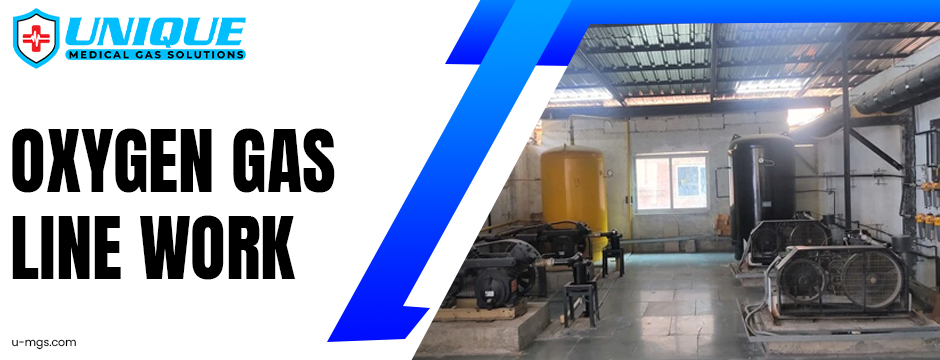
Unlike portable oxygen cylinders, centralised medical gas systems distribute oxygen throughout the facility via a network of pipelines connected to outlets at patient bedsides and surgical stations. This system must deliver oxygen at precise pressure levels without contamination or interruption. Even minor leaks, pressure inconsistencies, or impurities can compromise treatment outcomes.
Compliance with Healthcare Safety Standards
Healthcare facilities must adhere to strict building codes and medical gas standards. Professional oxygen gas line work ensures compliance with:
- NFPA 99 (Health Care Facilities Code)
- ASSE 6010 (Medical Gas Systems Installers Certification)
- Local and regional healthcare regulations
- ISO standards for medical gas pipeline systems
Improper installation or uncertified technicians can result in:
- Regulatory penalties
- Insurance complications
- Failed inspections
- Legal liability in the event of patient harm
Professional contractors understand the complex documentation, testing protocols, and certification processes required before a system becomes operational.
Precision Installation Prevents Contamination
Medical oxygen systems must remain contaminant-free. During installation, certified professionals use:
- Oil-free and clean piping materials
- Nitrogen purging during brazing
- Proper sealing techniques
- Cleanroom-level handling procedures
Without these precautions, debris, moisture, or oil residues can enter the pipeline. Contaminated oxygen lines can damage ventilators and respiratory devices—or worse, directly affect patients.
Professional installers follow rigorous cleaning and testing procedures, including pressure testing, cross-connection verification, and purity validation before commissioning the system.
Critical Pressure Regulation and Monitoring
Oxygen must be delivered at controlled pressure levels. Too low, and patients may not receive adequate therapy. Too high, and equipment or patient safety may be compromised.
Professional systems include:
- Zone valves for isolation
- Pressure regulators
- Alarm systems for low/high pressure
- Master control panels
- Backup supply integration
In emergencies, such as power outages or supply depletion, automated monitoring alerts staff immediately. Skilled technicians design systems with redundancy and fail-safe mechanisms to prevent catastrophic interruptions.
The Importance of Redundancy and Backup Systems
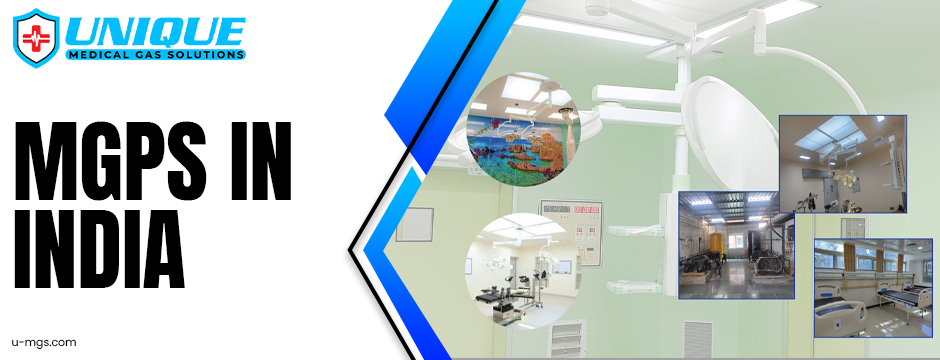
Healthcare facilities cannot afford downtime. Professional MGPS in India integrates:
- Primary and secondary oxygen sources
- Manifold systems
- Bulk storage tanks
- Emergency reserve cylinders
In high-demand situations—such as respiratory outbreaks or mass casualty events—oxygen usage can surge dramatically. A professionally designed system anticipates peak demand scenarios and maintains continuous flow without failure.
Poorly engineered systems risk pressure drops during simultaneous high-use events, which can endanger multiple patients at once.
Specialised Environments Require Specialised Expertise
Different healthcare environments have unique oxygen delivery requirements. For example:
Operating Rooms
Oxygen must integrate seamlessly with anaesthesia machines and surgical equipment.
Intensive Care Units
Continuous oxygen flow with precise pressure control is essential for ventilated patients.
Neonatal Units
Newborns require carefully regulated oxygen levels to prevent complications.
Each setting demands tailored engineering, precise outlet placement, and accurate pipeline sizing. Professional medical gas contractors perform detailed load calculations to ensure capacity meets clinical demand.
Maintenance and Long-Term Reliability
Installation is only the beginning. Ongoing inspection and maintenance are crucial to ensure long-term reliability. Professional service providers offer:
- Scheduled inspections
- Leak detection
- Alarm testing
- Valve maintenance
- System recalibration
Routine preventive maintenance minimises the risk of unexpected system failures. Healthcare administrators benefit from documented service logs, ensuring compliance and operational transparency.
Neglected systems can develop hidden leaks, corrosion, or regulator malfunctions that may not be immediately visible but can escalate into emergencies.
Cost of Poor Installation
Attempting to cut costs by hiring uncertified contractors can lead to expensive consequences:
- Reinstallation costs
- Emergency repairs
- Facility downtime
- Legal exposure
- Patient safety incidents
In healthcare, system failure is not just an operational inconvenience—it is a life safety issue. The upfront investment in professional oxygen gas line work significantly reduces long-term risks and liabilities.
Infection Control and Clean Infrastructure
Healthcare facilities prioritise infection prevention. Properly installed oxygen gas systems support this goal by:
- Reducing contamination risks
- Ensuring sterile pipeline interiors
- Preventing microbial growth from moisture intrusion
Professionally installed systems use corrosion-resistant materials and sealed fittings that protect internal gas quality. This is especially important in surgical environments and immunocompromised patient care areas.
Scalability for Future Expansion
Healthcare facilities often expand services, add new departments, or increase bed capacity. Professional oxygen gas line systems are designed with scalability in mind.
Engineers assess:
- Future load projections
- Infrastructure expansion pathways
- Capacity upgrades
- Integration with additional medical gases
Planning prevents costly retrofitting and ensures seamless facility growth.
Enhancing Patient Trust and Institutional Reputation
Patients and families may not see the oxygen gas lines behind the walls, but they trust that the facility operates at the highest safety standards. Reliable medical infrastructure strengthens:
- Institutional credibility
- Accreditation status
- Staff confidence
- Patient outcomes
Professional oxygen gas systems contribute directly to a hospital’s operational excellence.
Wrapping Up
Professional oxygen gas line work is a foundational element of safe and effective healthcare delivery. From precise installation and regulatory compliance to contamination prevention and system redundancy, every component plays a critical role in protecting patient lives. Cutting corners in medical gas infrastructure can result in severe safety risks, regulatory complications, and long-term financial losses.
Healthcare facilities must partner with experienced, certified professionals who understand the complexity of medical gas systems and deliver dependable, compliant solutions. For organisations seeking reliable, high-quality oxygen gas line installation and maintenance services, Unique Medical Gas Solutions offers industry-leading expertise and comprehensive support. Visitus to learn how our professional medical gas solutions can safeguard your facility and ensure uninterrupted patient care.


No comment