Key Components of MGPS and Their Impact on Healthcare Efficiency
In modern healthcare facilities, uninterrupted access to medical gases is critical for patient safety, emergency response, surgical procedures, and intensive care support. The Key Components of MGPS play a central role in ensuring that hospitals receive a continuous and safe supply of gases such as oxygen, nitrous oxide, compressed air, and vacuum services.
These systems are carefully designed to improve operational efficiency, reduce manual handling of gas cylinders, and support high-quality patient care. From ICUs to operating theatres, MGPS infrastructure has become an essential backbone of healthcare institutions, helping medical professionals deliver faster, safer, and more effective treatment outcomes.
Understanding the Role of MGPS in Healthcare
A Medical Gas Pipeline System is a centralised network that transports medical gases from storage sources to various hospital departments through specialised pipelines and control systems. The primary objective of MGPS is to ensure safe, uninterrupted, and contamination-free delivery of gases to healthcare professionals and patients.
Healthcare facilities rely heavily on medical gases for respiratory therapies, anaesthesia administration, emergency medicine, and surgical procedures. Without a reliable MGPS, hospitals would face delays, increased risks, and operational inefficiencies that could directly affect patient outcomes.
Major Components of MGPS
Source Equipment
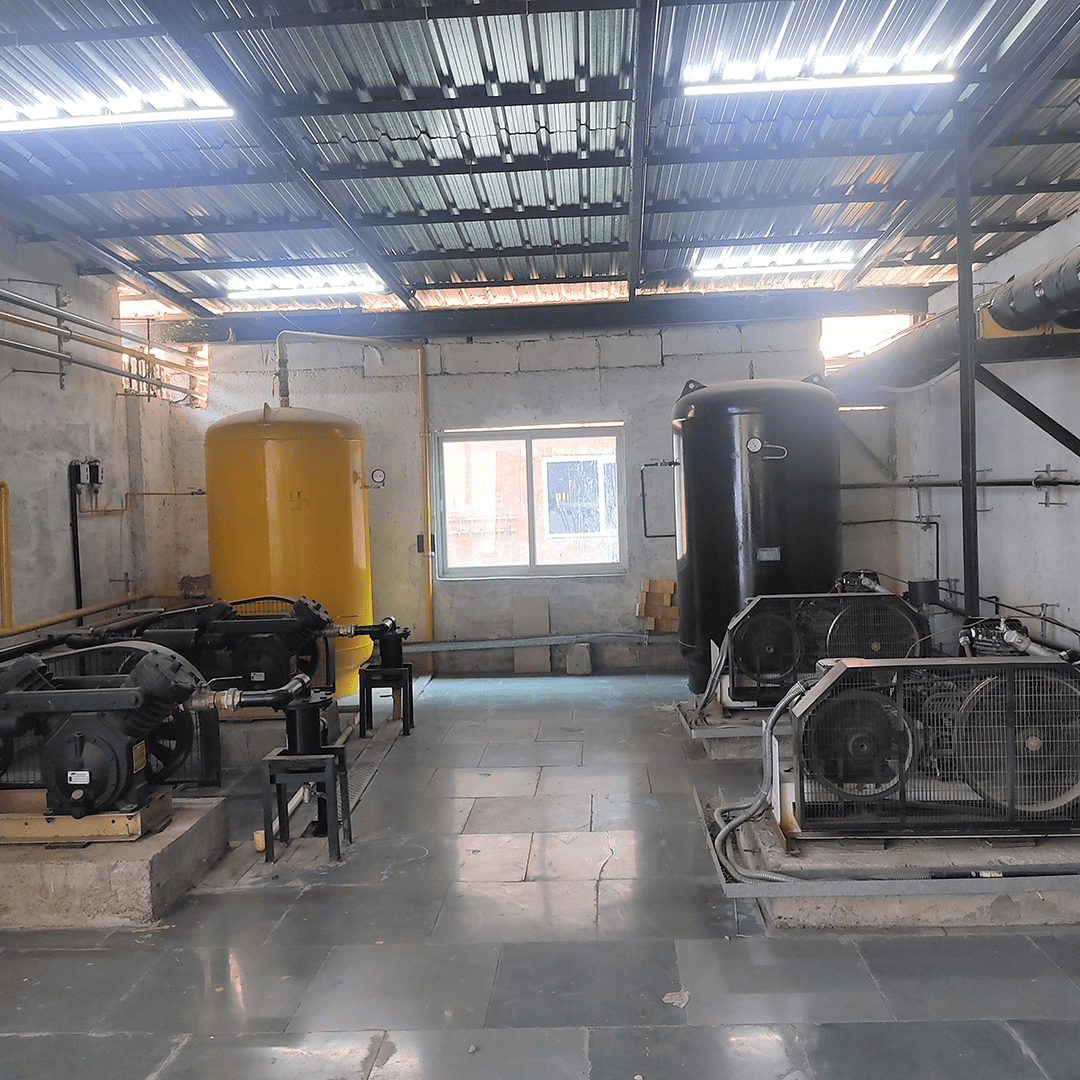
The source equipment forms the foundation of the MGPS infrastructure. It includes all systems responsible for storing and supplying medical gases to the pipeline network.
- Liquid Oxygen Tanks: Liquid oxygen tanks are commonly used in large hospitals because they can store significant volumes of oxygen efficiently. These tanks convert liquid oxygen into gaseous form before distribution across the facility.
- Cylinder Manifolds: Cylinder manifolds connect multiple gas cylinders and ensure automatic switching between primary and reserve supplies. This helps maintain continuous gas flow during emergencies or maintenance activities.
- Medical Air Compressors: Medical air compressors generate clean and breathable compressed air for ventilators, respiratory support systems, and surgical tools. Consistent medical air supply improves treatment accuracy and operational stability.
- Impact on Healthcare Efficiency: Reliable source equipment minimises downtime and ensures uninterrupted treatment delivery. Hospitals can operate more efficiently during emergencies, critical care situations, and high patient inflow periods.
Pipeline Distribution Network
The pipeline distribution system transports medical gases throughout the healthcare facility using specially designed medical-grade copper pipes. Copper is widely preferred because of its durability, corrosion resistance, and antimicrobial properties.
These pipelines are installed with strict safety measures to prevent contamination, leakage, and pressure fluctuations. Proper brazing techniques and pressure testing further ensure system reliability.
- Impact on Healthcare Efficiency: A centralised distribution network eliminates the need for manual transportation of gas cylinders between departments. This reduces labour costs, saves time, minimises accidents, and improves workflow management across the hospital.
Pressure Regulators
Pressure regulators maintain a stable gas pressure throughout the pipeline system. Since medical equipment requires precise pressure levels for safe operation, regulators help ensure consistent delivery to ventilators, anaesthesia machines, and patient outlets.
- Impact on Healthcare Efficiency: Stable pressure improves equipment performance and patient safety. It also reduces the likelihood of equipment malfunction and treatment interruptions, leading to smoother clinical operations.
Alarm Systems
Alarm systems are among the most critical safety features of Modular OT in Mumbai. These systems continuously monitor gas pressure, flow rates, and supply levels. Audible and visual alarms notify hospital staff immediately when abnormalities occur.
Alarm systems are typically integrated into nurse stations, engineering departments, and control rooms for rapid response.
- Impact on Healthcare Efficiency: Early detection of pressure drops, leaks, or supply failures prevents medical emergencies and reduces operational risks. Quick response capabilities help maintain uninterrupted patient care and minimise downtime.
Zone Valve Boxes
Zone valve boxes allow hospitals to isolate specific sections of the pipeline system during maintenance or emergencies without affecting the entire facility. These valves are strategically placed in departments such as ICUs, operating theatres, and emergency wards.
- Impact on Healthcare Efficiency: Zone valve systems improve maintenance efficiency and emergency management. Hospitals can repair or inspect sections of the system while maintaining gas supply to critical patient areas.
Terminal Units and Outlets
Terminal units are the access points where healthcare professionals connect medical equipment to the gas supply system. These outlets are installed near patient beds, operation theaters, and treatment areas.
Different gases use colour-coded and uniquely designed connectors to prevent incorrect usage and improve safety.
- Impact on Healthcare Efficiency: Easy access to medical gases improves response times during emergencies and enhances workflow efficiency for doctors and nurses. Proper outlet design also minimises connection errors and equipment setup delays.
Medical Vacuum Systems
Medical vacuum systems are responsible for suction services used in surgeries, airway clearance, and fluid removal procedures. These systems maintain sterile and efficient suction throughout healthcare facilities.
- Impact on Healthcare Efficiency: Efficient vacuum systems support surgical precision and emergency response procedures while reducing contamination risks and improving infection control measures.
Anaesthetic Gas Scavenging Systems
Anaesthetic gas scavenging systems safely remove waste anaesthetic gases from operating theatres and patient recovery areas. This protects healthcare workers from prolonged exposure to harmful gases.
- Impact on Healthcare Efficiency: Improved workplace safety enhances staff well-being, productivity, and compliance with healthcare safety standards.
Importance of MGPS in Modern Hospitals
Improved Patient Safety
One of the greatest benefits of the Key Components of MGPS is enhanced patient safety. Reliable gas delivery systems ensure that critically ill patients receive uninterrupted oxygen and respiratory support during treatment.
Operational Cost Reduction
Centralised gas systems reduce dependence on manual cylinder handling and storage. This lowers operational costs, minimises wastage, and improves resource management.
Faster Emergency Response
Healthcare professionals can access medical gases immediately during emergencies. This rapid accessibility can significantly improve survival rates in trauma and critical care situations.
Better Infection Control
Sealed pipeline systems reduce contamination risks associated with portable cylinders and external handling. Copper pipelines further contribute to infection prevention because of their antimicrobial properties.
Regulatory Compliance
Modern MGPS installations are designed to comply with international healthcare and safety standards such as ISO, HTM, and NFPA regulations.
Conclusion
The Key Components of MGPS are essential infrastructure component that directly impacts healthcare efficiency, patient safety, and hospital operations. From source equipment and pressure regulators to alarm systems and terminal outlets, every MGPS component contributes to seamless medical gas delivery and improved clinical performance. Hospitals equipped with advanced MGPS solutions can reduce operational challenges, enhance emergency readiness, and provide higher-quality patient care.
For healthcare facilities seeking reliable and advanced medical gas pipeline solutions, Unique Medical Gas Solutions offers professional expertise, innovative systems, and dependable support tailored to modern healthcare requirements.