MGPS in Kandivali, Borivali:Common Applications in Hospitals & Clinics
Medical Gas Pipeline Systems (MGPS) are essential for modern hospitals and clinics. They provide a safe and reliable supply of medical gases directly to patient-care areas. Oxygen, nitrous oxide, medical air, vacuum, and other gases support many clinical procedures. In busy healthcare locations such as Kandivali and Borivali, hospitals need dependable gas distribution systems to maintain efficient operations.
A well-designed MGPS in Kandivali, Borivali can reduce the need to move individual cylinders throughout a facility. It also helps medical teams access the required gases quickly. Understanding the common applications of MGPS helps healthcare facilities plan safer, more efficient, and better-connected medical environments.
What Is an MGPS?
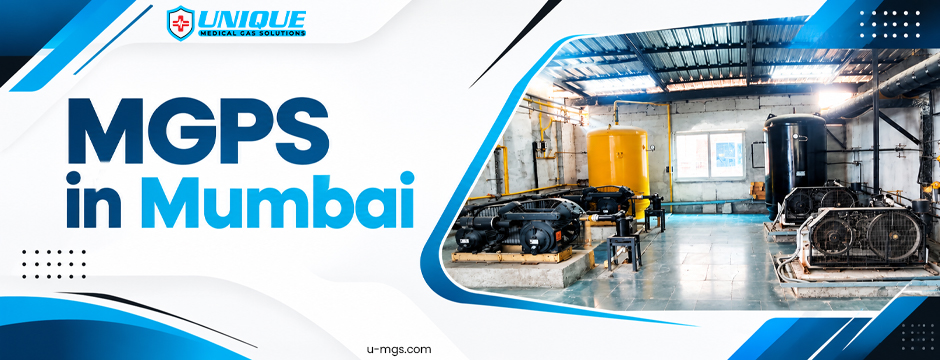
An MGPS in India is a centralised network designed to distribute medical gases throughout a healthcare facility. The system generally includes a gas source, pressure regulators, pipelines, valves, alarms, terminal units, and associated safety components.
Instead of connecting cylinders directly to every patient-care area, gases can be supplied from a centralised source through dedicated pipelines. Terminal outlets are installed in locations where healthcare professionals need access to medical gases. The system must be properly designed, installed, tested, and maintained. Correct pressure levels and appropriate identification of pipelines are important for safe operation.
Oxygen Supply in Patient-Care Areas
Oxygen is one of the most frequently used medical gases in hospitals and clinics. MGPS allows oxygen to reach patient rooms, intensive care units, operating theatres, emergency departments, recovery areas, and other clinical spaces.
Patients may require supplemental oxygen for respiratory conditions, recovery after surgery, or emergency treatment. A centralised pipeline system helps healthcare professionals access oxygen without repeatedly transporting cylinders between departments. In critical-care environments, a reliable oxygen supply can be particularly important because several patients may require oxygen simultaneously.
Applications in Intensive Care Units
Intensive Care Units (ICUs) depend heavily on medical gases. Patients receiving critical care may require oxygen, medical air, and vacuum services at the bedside. MGPS provides conveniently positioned outlets near patient beds. This arrangement supports ventilators, oxygen delivery devices, suction equipment, and other clinical systems. A properly planned pipeline network also helps reduce congestion caused by multiple cylinders and equipment around patient beds.
Use in Operating Theatres
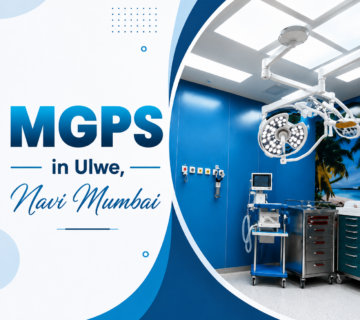
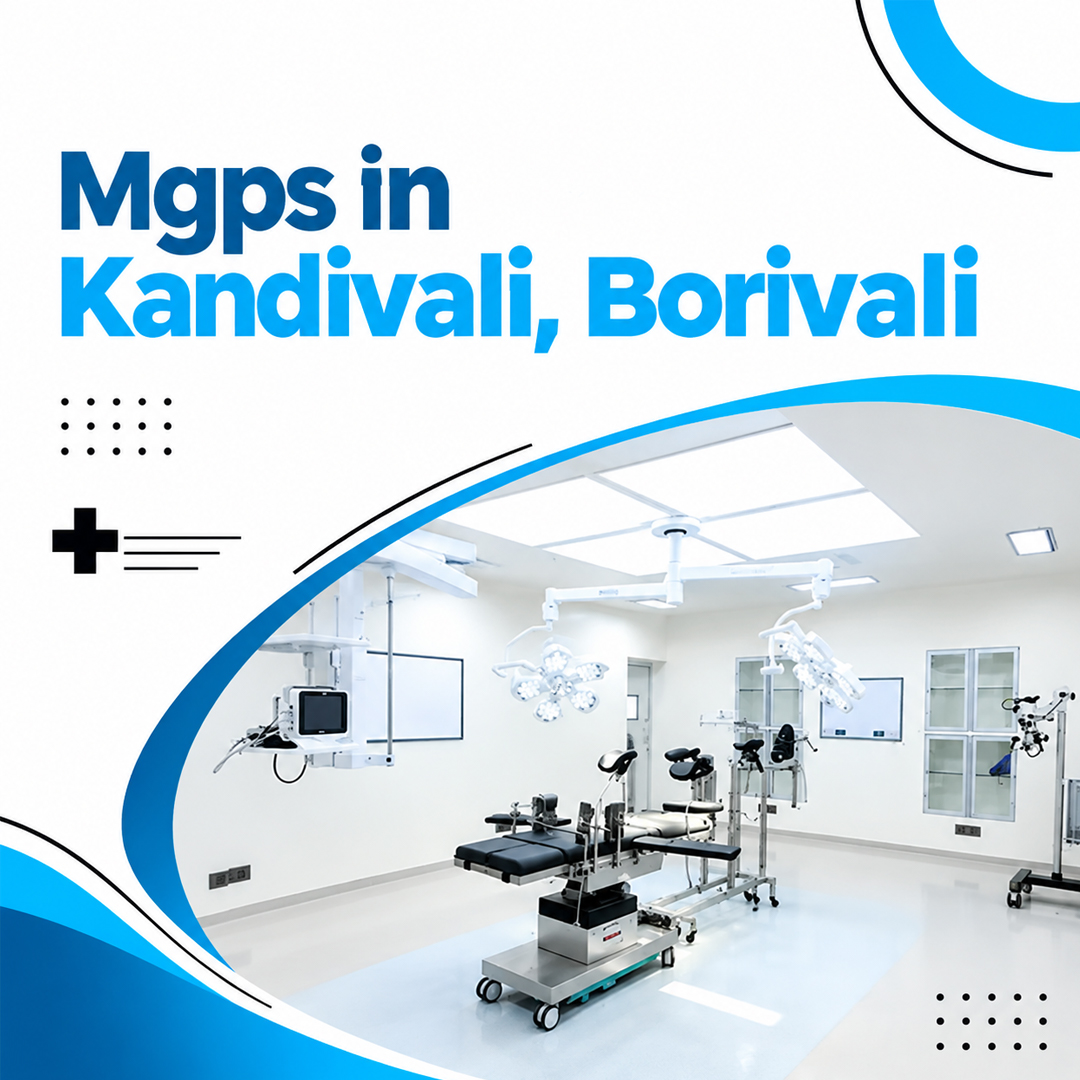
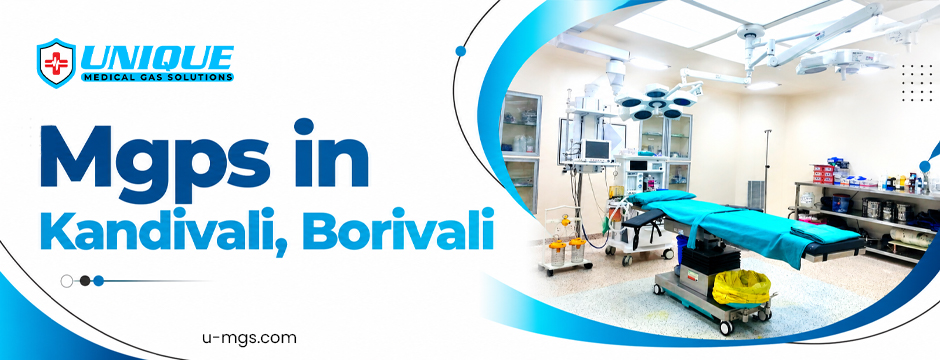
Operating theatres require multiple medical gases during surgical procedures. Oxygen and medical air may support anaesthesia machines and respiratory equipment, while nitrous oxide can be used in appropriate anaesthesia applications.
Vacuum systems are also important for surgical suction. They help remove fluids and secretions during procedures. MGPS in Kandivali, Borivali provides dedicated terminal outlets within operating rooms, allowing medical equipment to connect directly to the required services. This can contribute to a more organised surgical environment.
Medical Vacuum and Suction
Vacuum systems are another important component of many MGPS installations. Medical vacuum is used for suction applications across hospitals and clinics.
Healthcare professionals may need suction during surgery, emergency treatment, intensive care, and routine patient management. A centralised vacuum pipeline can provide suction through designated terminal outlets. This eliminates the need to depend exclusively on individual portable suction units for every application.
Emergency Departments
Emergency departments often handle patients with rapidly changing medical requirements. Medical gases may be needed for trauma care, respiratory emergencies, resuscitation, and other urgent procedures.
MGPS in Mumbai helps provide quick access to essential gas services at designated treatment bays. Strategically positioned outlets can support emergency equipment while keeping the treatment area more organised. For hospitals in densely populated areas such as Kandivali and Borivali, efficient emergency infrastructure can be an important part of overall healthcare facility planning.
Recovery Rooms and Wards
Medical gas outlets can also be installed in recovery rooms and general wards. Patients recovering from surgery or undergoing treatment may require supplemental oxygen or suction.
Providing pipeline outlets close to beds allows staff to connect the necessary equipment without moving heavy cylinders into every room. The exact MGPS configuration depends on the type and capacity of the healthcare facility.
Diagnostic and Specialised Treatment Areas
Certain diagnostic and specialised treatment areas may also require medical gas services. Depending on the facility, gases can support respiratory care, procedural areas, laboratories, dental treatment spaces, and other clinical applications.
Healthcare planners should assess the requirements of each department before designing the pipeline network. Gas types, outlet locations, pressure requirements, and future expansion should all be considered.
Why Proper MGPS Installation Matters
An MGPS is a critical healthcare infrastructure system rather than simply a network of pipes. Incorrect installation, poor-quality components, inadequate testing, or insufficient maintenance can create operational and safety risks.
Hospitals should therefore work with experienced professionals for system design, installation, commissioning, inspection, and maintenance. Regular checks can help identify leaks, pressure problems, damaged components, or other issues before they affect clinical operations. Clear pipeline identification, appropriate alarms, isolation valves, and suitable terminal units also contribute to safer system management.
Final Words
For hospitals and clinics, a properly designed MGPS in Kandivali, Borivali can support oxygen delivery, intensive care, surgery, emergency treatment, medical suction, recovery areas, and specialised clinical applications. Choosing suitable components and ensuring professional installation and maintenance are essential for dependable performance.
Healthcare facilities looking for medical gas pipeline solutions can explore Unique Medical Gas Solutions for solutions designed to support modern medical infrastructure and healthcare requirements.
FAQs
MGPS in Kandivali, Borivali is a centralised network that distributes medical gases such as oxygen, medical air, nitrous oxide, and vacuum to different areas of a healthcare facility.
MGPS is commonly used in ICUs, operating theatres, emergency departments, patient wards, recovery rooms, diagnostic areas, and other specialised clinical spaces.
Depending on the healthcare facility’s requirements, an MGPS may supply oxygen, medical air, nitrous oxide, carbon dioxide, and medical vacuum through dedicated pipeline networks.
Medical vacuum provides centralised suction for procedures such as removing fluids and secretions. It is commonly required in operating theatres, ICUs, emergency departments, and other treatment areas.
Professional installation helps ensure appropriate pipeline design, pressure management, gas identification, testing, alarms, valves, and terminal outlets, supporting the safe and reliable operation of the system.
RAG
Medical Gas Pipeline Systems provide a centralised method for delivering essential medical gases throughout hospitals and clinics. Instead of relying entirely on portable cylinders, healthcare facilities can connect patient-care areas directly to dedicated gas outlets. This approach supports organised clinical operations across ICUs, operating theatres, emergency departments, wards, and recovery areas. Proper planning also allows the system to accommodate the facility’s current requirements while considering future expansion.
Hospitals and clinics in Kandivali and Borivali can use MGPS infrastructure across multiple departments with different clinical requirements. Oxygen outlets can support respiratory care, while medical vacuum can provide centralised suction. Operating theatres may require several gas services for surgical and anaesthesia equipment. Emergency and critical-care areas can also benefit from strategically positioned outlets that provide quick access to essential services. The configuration should always reflect the size, speciality, layout, and operational requirements of each healthcare facility.
A medical gas pipeline network requires careful design, quality components, appropriate testing, and regular maintenance. Pressure levels, pipeline identification, isolation valves, alarms, terminal units, and gas sources must work together correctly. Routine inspections can help identify leaks, pressure irregularities, or component problems before they interfere with healthcare operations. Hospitals and clinics should therefore select experienced MGPS professionals who understand healthcare infrastructure requirements and can provide appropriate installation, testing, commissioning, and maintenance support.