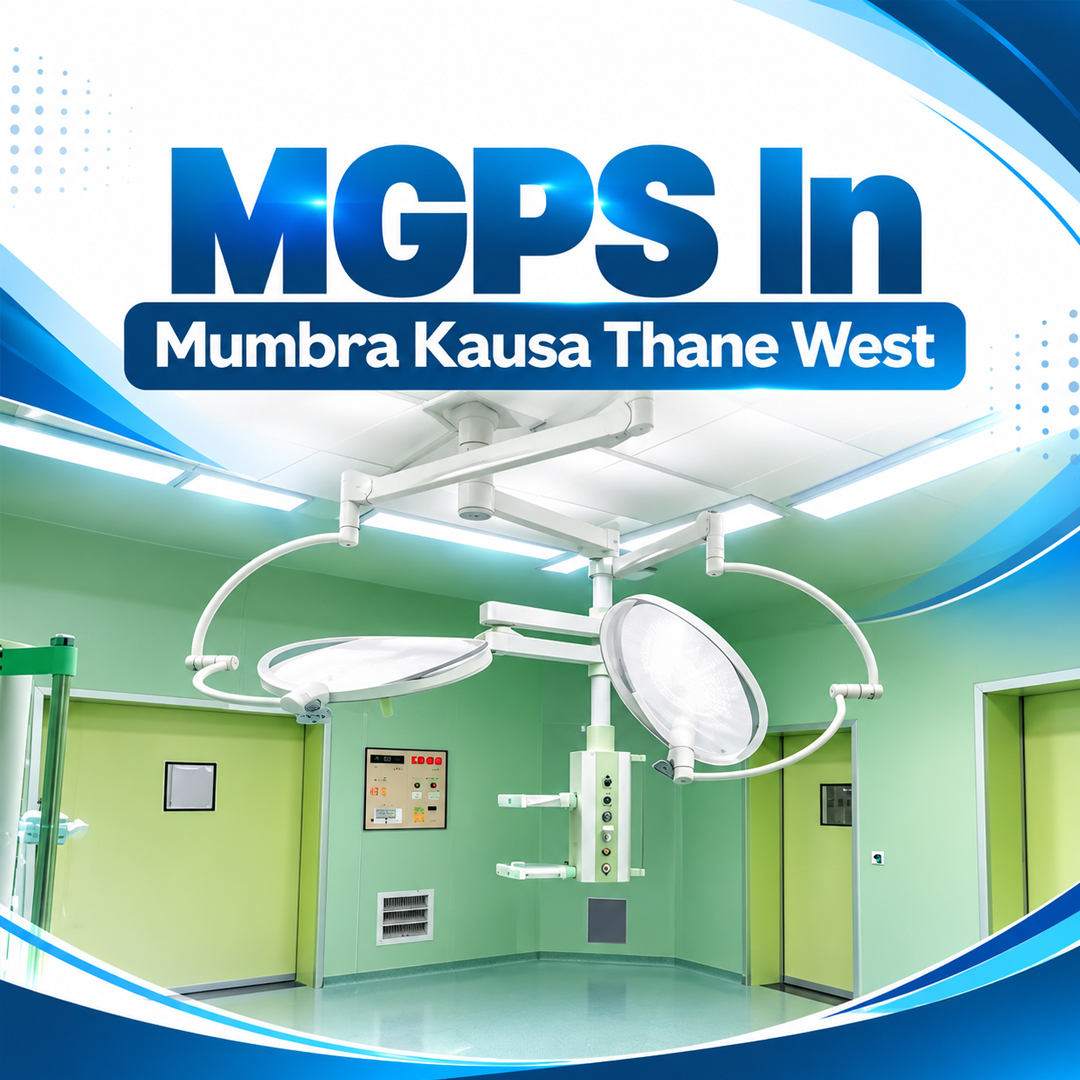
How Does MGPS in Mumbra Kausa Thane West, Support Hospital Operations?
Hospitals depend on a continuous supply of medical gases for critical care, surgery, diagnostics, and patient recovery. A well-designed Medical Gas Pipeline System (MGPS) delivers essential gases safely and efficiently to different departments. In a growing healthcare area such as Mumbra Kausa in Thane West, reliable gas infrastructure can play an important role in supporting modern hospital operations.
From oxygen supply in intensive care units to medical air in operating rooms, every gas has a specific purpose. A properly planned MGPS in Mumbra Kausa Thane West helps hospitals maintain continuity, improve workflow, reduce handling risks, and support better patient care.
What Is an MGPS?
A Medical Gas Pipeline System is a centralised infrastructure designed to transport medical gases from their source to designated points throughout a healthcare facility. Instead of relying entirely on individual cylinders inside every department, hospitals can use a centralised supply system connected through dedicated pipelines.
Depending on hospital requirements, an MGPS may distribute gases such as oxygen, nitrous oxide, medical air, vacuum, carbon dioxide, and other specialised gases. Terminal outlets are installed at locations where healthcare professionals need access, including operating theatres, ICUs, emergency departments, recovery rooms, and patient wards. The system typically includes gas sources, pipelines, valves, alarms, regulators, control panels, and terminal units. Each component must work together to provide a dependable and controlled supply.
Supporting Critical Patient Care
Oxygen is one of the most important medical gases used in hospitals. Patients experiencing respiratory difficulties may require oxygen therapy, while critical-care patients may need continuous oxygen support. An MGPS allows oxygen to reach bedsides and clinical areas through fixed outlets.
This can make oxygen access more convenient for medical teams while reducing the need to repeatedly move cylinders around the hospital. In intensive care units, where patients can require respiratory support around the clock, a dependable pipeline infrastructure is particularly important. The same centralised approach can support oxygen availability in emergency and recovery areas.
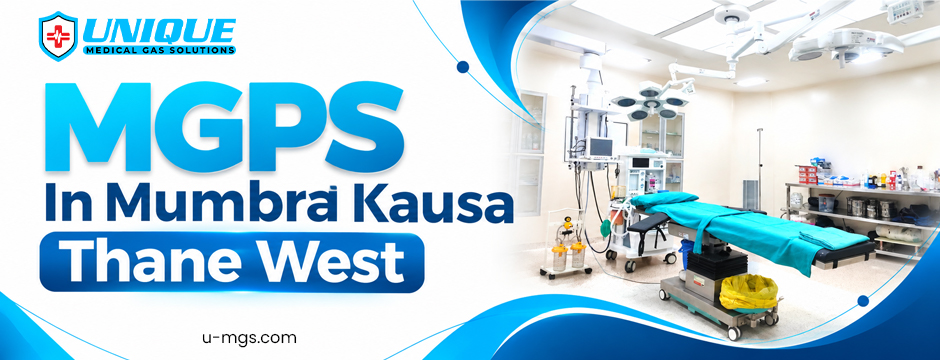
Improving Operating Theatre Efficiency
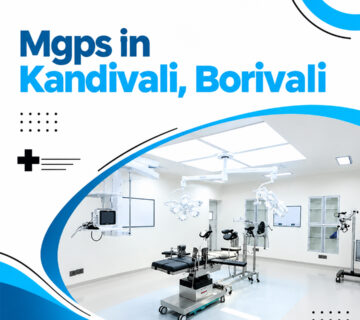
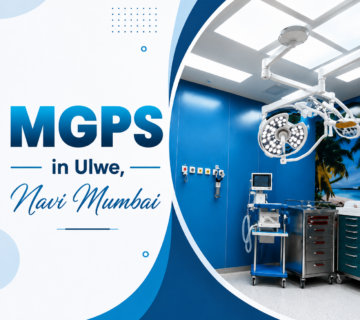
Operating theatres use several medical gases depending on the procedures being performed. Oxygen supports anaesthesia and respiratory care, while medical air can be used with different medical equipment. Nitrous oxide may also be required for specific anaesthesia applications. With pipeline outlets positioned appropriately, healthcare professionals can access required gases directly within the operating environment.
This helps minimise unnecessary cylinder movement and keeps the workspace more organised. A properly designed MGPS in Mumbai can therefore contribute to smoother operating theatre workflows. It also allows hospitals to plan gas distribution according to the specific requirements of each clinical department.
Supporting Emergency Departments
Emergencies require quick access to essential medical resources. Patients arriving with trauma, respiratory distress, cardiac problems, or other serious conditions may require immediate oxygen or respiratory support.
An MGPS in Mumbra Kausa Thane West can provide dedicated gas outlets in emergency treatment areas. Medical staff can connect appropriate equipment without waiting for cylinders to be transported from another location. This centralised availability can be especially useful in busy healthcare facilities where multiple patients may require simultaneous treatment.
Enhancing Hospital Safety
Safety is a major consideration when dealing with medical gases. Improper storage, transportation, or handling of cylinders can create operational challenges. A centralised pipeline system can reduce the routine movement of cylinders through patient-care areas. MGPS installations also incorporate isolation valves and alarm systems.
These features help healthcare teams identify pressure-related or supply-related issues and isolate particular sections when maintenance is required. Correct pipeline identification is equally important. Medical gas pipelines should be properly labelled and installed according to applicable healthcare and safety standards. Regular inspection and maintenance are necessary to ensure continued system reliability.
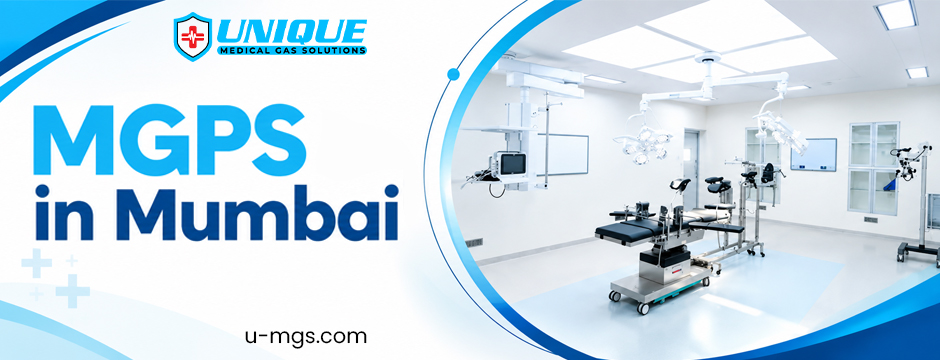
Helping Different Hospital Departments Work Efficiently
Modern hospitals contain multiple departments with different gas requirements. ICUs, neonatal units, operating theatres, laboratories, emergency rooms, dental departments, and general wards may all require specialised services. An appropriately designed MGPS in India can distribute gases according to the demand of each area.
This centralised infrastructure simplifies gas management and helps healthcare facilities organise their supply requirements more effectively. It can also support future hospital expansion. When planned correctly, pipeline infrastructure can accommodate additional outlets or departments as the facility’s requirements increase.
Importance of Professional MGPS Planning in Mumbra Kausa
Healthcare infrastructure in Mumbra Kausa and Thane West needs systems that can support dependable hospital operations. MGPS planning should consider the hospital’s size, number of beds, departments, gas consumption, source capacity, pipeline routing, emergency requirements, and future expansion. Installation should be handled by experienced professionals familiar with medical gas systems and relevant standards.
Testing, commissioning, preventive maintenance, and periodic inspections are also essential parts of responsible MGPS management. A well-planned system is not simply about installing pipelines. It involves designing an integrated infrastructure that supports safety, reliability, accessibility, and long-term hospital performance.
Contact
Unique Medical Gas Solutions
B/50, Anandi Niwas Bldg, Match Factory Lane, Kurla West, Mumbai: 400070
+91 9702423412
info@u-mgs.com
Wrapping Up
A dependable MGPS in Mumbra Kausa Thane West can form an essential part of hospital infrastructure. It supports critical patient care, operating theatres, emergency services, ICUs, and other clinical departments by providing controlled access to essential medical gases. Proper design, installation, testing, and maintenance are crucial for maintaining system performance and safety.
For hospitals and healthcare facilities looking for professional medical gas pipeline solutions, Unique Medical Gas Solutions provides specialised MGPS solutions designed to support reliable and efficient healthcare operations.
FAQ
MGPS in Mumbra Kausa Thane West a centralised network that distributes medical gases such as oxygen, medical air, nitrous oxide, and vacuum to different areas of a hospital.
MGPS provides reliable access to essential medical gases across critical departments. It can support ICUs, operating theatres, emergency rooms, recovery areas, and patient wards.
Depending on hospital requirements, an MGPS can distribute oxygen, medical air, nitrous oxide, carbon dioxide, and vacuum. The exact configuration depends on the facility’s clinical needs.
A centralised system reduces the need to move cylinders frequently through patient-care areas. Proper valves, alarms, identification, and monitoring systems can also help healthcare teams manage the gas supply safely.
Hospitals should consider bed capacity, gas requirements, pipeline routing, source capacity, department requirements, safety provisions, future expansion, testing, and regular maintenance when planning an MGPS.
RAG
MGPS in Mumbra Kausa Thane West provides hospitals with a structured way to distribute essential medical gases throughout critical care areas. A centralised pipeline network can deliver oxygen, medical air, vacuum, and other required gases directly to designated outlets. This helps medical teams access essential gas services efficiently while supporting continuous hospital operations.
Hospitals require dependable medical gas infrastructure in areas such as ICUs, emergency rooms, operating theatres, and recovery units. MGPS helps provide gas access where and when healthcare professionals need it. With appropriately positioned outlets and suitable monitoring systems, hospitals can create a more organised clinical environment while supporting the requirements of critical patient care.
Choosing the right MGPS design is important for hospital safety, operational continuity, and future scalability. The system should be planned according to the facility’s size, clinical requirements, gas consumption, and expansion needs. Professional installation, testing, commissioning, and maintenance can further support dependable performance throughout the hospital’s operational life.