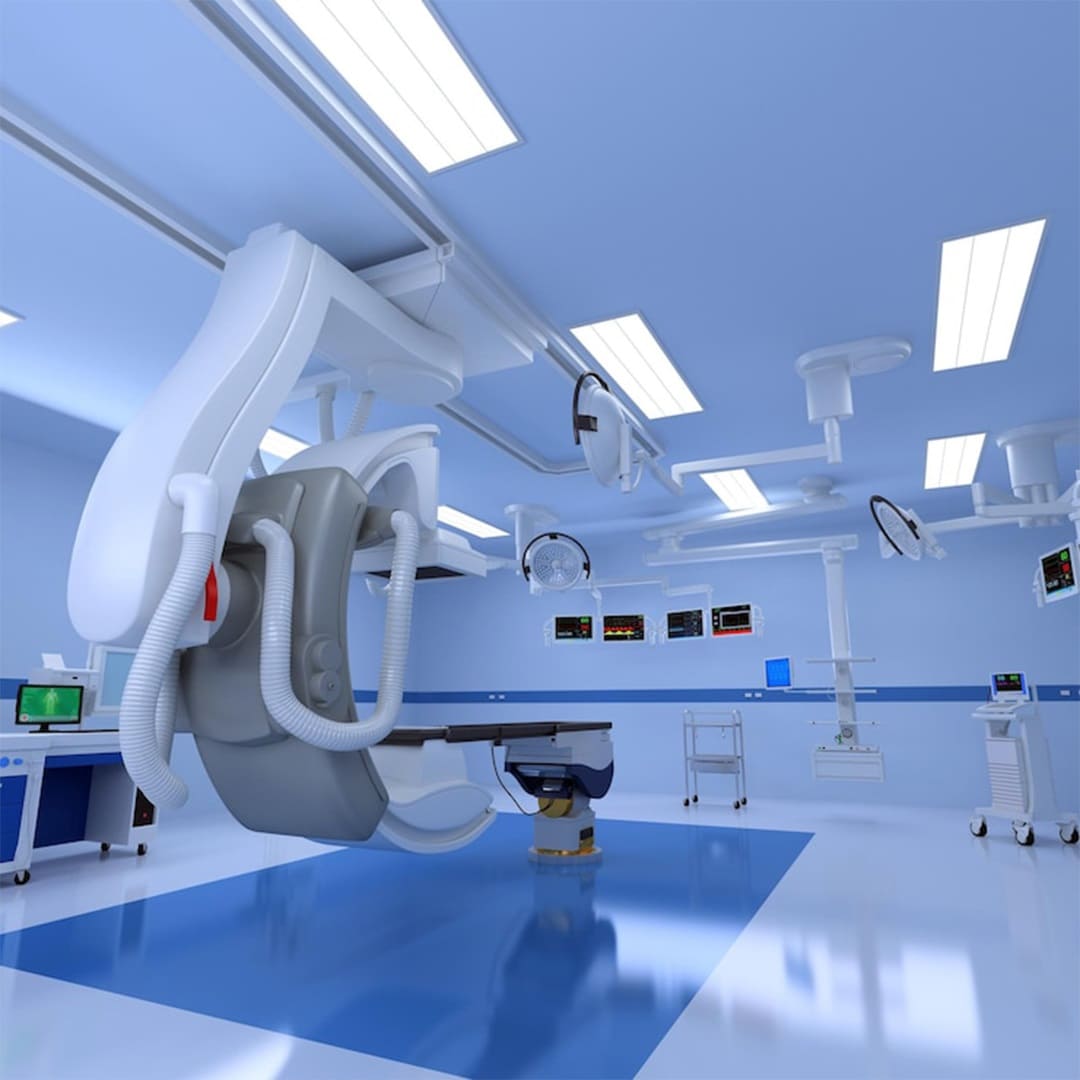
Modular OT Cost in India:Hidden Expenses Healthcare Owners Often Miss?
Setting up a modular operation theatre (OT) is a major investment for hospitals, nursing homes, and speciality healthcare centres across India. While many healthcare owners focus only on the visible expenses like panels, lights, and surgical equipment, the actual cost of a modular OT often goes far beyond the initial quotation.
Hidden expenses related to installation, compliance, maintenance, HVAC systems, electrical upgrades, and long-term operational efficiency can significantly affect the overall budget. Without proper planning, the unexpected Modular OT Cost in India may delay project completion and increase financial pressure. Understanding the overlooked aspects of modular OT pricing helps healthcare owners make smarter investment decisions, avoid costly surprises, and ensure a fully functional, compliant, and future-ready surgical environment.
Understanding the Base Cost of a Modular OT
Most modular OT providers in India offer pricing based on the visible infrastructure requirements. This typically includes:
- Wall and ceiling panels
- OT doors
- Surgical lights
- Laminar airflow systems
- HVAC integration
- Medical gas pipeline systems
- Flooring
- Control panels
However, the quoted amount often represents only the foundation of the project. Many hospital owners assume the package covers everything required for a ready-to-operate theatre, but several additional expenses emerge during execution.
Civil Modification Costs Are Often Underestimated
One of the most common hidden expenses involves civil modifications within the hospital building. Existing healthcare facilities may require structural adjustments before modular OT installation begins.
These modifications can include:
- Wall strengthening
- Ceiling restructuring
- Plumbing changes
- Floor leveling
- Drainage adjustments
- Electrical rerouting
Older hospitals, in particular, may face unexpected construction work because the building was not originally designed for advanced OT infrastructure. These costs can substantially increase the total project budget if not evaluated during the planning phase.
HVAC and Air Filtration Expenses Add Up Quickly
A modular OT relies heavily on advanced HVAC systems to maintain sterile conditions and infection control standards. Many healthcare owners underestimate the complexity and cost of these systems.
Additional HVAC-related expenses may include:
High-Capacity AHU Units
Air Handling Units (AHUs) designed for operating theatres are far more sophisticated than standard hospital air systems.
HEPA Filter Replacement
HEPA filters require periodic replacement and maintenance, creating recurring operational expenses.
Pressure Monitoring Systems
Positive pressure control systems ensure contamination-free environments but add to both installation and maintenance costs.
Ducting and Insulation
Extended ducting routes and thermal insulation requirements can increase project expenditure significantly.
Ignoring these factors may result in improper air quality compliance, leading to operational challenges and regulatory concerns.

Electrical Infrastructure Upgrades Can Increase the Budget
Modern modular OTs depend on uninterrupted power supply systems and advanced electrical infrastructure. Unfortunately, many hospitals discover midway through the project that their existing setup cannot support the load requirements.
Common additional costs include:
- UPS systems
- Backup generators
- Dedicated electrical panels
- Isolation transformers
- Copper cabling
- Power conditioning systems
Healthcare facilities planning advanced surgical setups often need major electrical upgrades that are not included in the initial OT quotation.
Compliance and Certification Costs Are Frequently Overlooked
Healthcare facilities in India must comply with strict standards related to infection control, patient safety, and OT performance. Certification and compliance expenses are another area many healthcare owners fail to consider initially.
These may involve:
- NABH compliance upgrades
- Fire safety approvals
- Biomedical waste management systems
- Electrical safety certification
- HVAC validation testing
- Particle count testing
Without proper certifications, hospitals may face delays in obtaining operational approvals or insurance clearances.
Medical Gas Pipeline Expansion Expenses
While basic medical gas pipeline integration may be included in some packages, extensive hospital-wide expansion often creates additional costs.
Hidden charges can arise from:
- Extended copper piping
- Additional gas outlets
- Alarm systems
- Manifold room upgrades
- Vacuum systems
As surgical capabilities grow, hospitals may need scalable medical gas systems that require future-ready planning from the start.
Maintenance Costs Continue Long After Installation
Many healthcare owners focus entirely on installation costs while overlooking long-term maintenance expenses. A modular OT requires regular servicing to maintain hygiene, efficiency, and compliance standards.
Ongoing costs may include:
Annual Maintenance Contracts (AMCs)
Professional servicing is essential for Modular OT in Mumbai performance and equipment longevity.
HVAC Cleaning
Regular duct cleaning and AHU servicing prevent contamination risks.
Panel Repairs and Replacements
Damaged wall panels or doors may require expensive replacements over time.
Calibration and Validation
Pressure systems, sensors, and airflow systems need periodic calibration.
Ignoring maintenance planning can lead to equipment failure, downtime, and infection control issues.
Technology Integration Brings Additional Costs
Modern operating theatres increasingly depend on digital technologies for efficiency and patient management. Many hospitals decide to add these features after the project begins, increasing the overall budget unexpectedly.
Technology-related expenses may include:
- OT integration systems
- Digital display panels
- Video conferencing systems
- Surgical recording systems
- Smart control panels
- Touchscreen monitoring systems
While these technologies improve workflow and surgical precision, they can significantly raise project costs if not planned early.

Staff Training and Operational Transition Costs
A modular OT is not simply an infrastructure upgrade—it also changes how surgical teams operate. Many healthcare owners forget to allocate a budget for staff adaptation and training.
Additional Modular OT Cost in India may include:
- Equipment handling training
- Infection control workshops
- HVAC management training
- Technical support onboarding
Temporary operational disruptions during OT installation may also impact hospital revenue, especially in smaller healthcare facilities.
Delays and Project Coordination Challenges
Another hidden expense comes from project delays caused by poor coordination between contractors, engineers, and hospital management teams.
Common delay-related costs include:
- Extended labour charges
- Temporary OT shutdowns
- Material price fluctuations
- Compliance approval delays
- Rework expenses
Choosing inexperienced vendors often leads to coordination gaps that increase both timelines and financial burden.
Why Healthcare Owners Should Focus on Long-Term Value?
The cheapest modular OT solution is rarely the most cost-effective in the long run. Low-cost installations may compromise air quality, durability, energy efficiency, or compliance standards.
Healthcare owners should instead evaluate:
- Energy efficiency
- Scalability
- Ease of maintenance
- Infection control standards
- Equipment compatibility
- Vendor support capabilities
A well-designed modular OT improves surgical outcomes, operational efficiency, and patient trust while reducing long-term repair and maintenance costs.
Smart Budget Planning for Modular OT Projects
To avoid financial surprises, healthcare owners should create a comprehensive budget that includes both direct and indirect expenses.
An effective modular OT budget should account for:
- Infrastructure upgrades
- Compliance testing
- Technology integration
- Maintenance planning
- Staff training
- Future expansion possibilities
Working with experienced modular OT specialists helps identify potential hidden costs before installation begins.
Bottom Line
Building a modular OT involves much more than purchasing panels and surgical equipment. Hidden expenses related to HVAC systems, compliance, electrical infrastructure, maintenance, technology integration, and operational upgrades can significantly impact the final Modular OT Cost in India.
Healthcare owners who fail to account for these factors often face delays, unexpected spending, and long-term operational inefficiencies. Partnering with experienced industry professionals can help hospitals plan smarter, maintain compliance, and achieve sustainable surgical infrastructure. For reliable modular OT solutions designed with quality, efficiency, and long-term healthcare performance in mind, visit Unique Medical Gas Solutions.