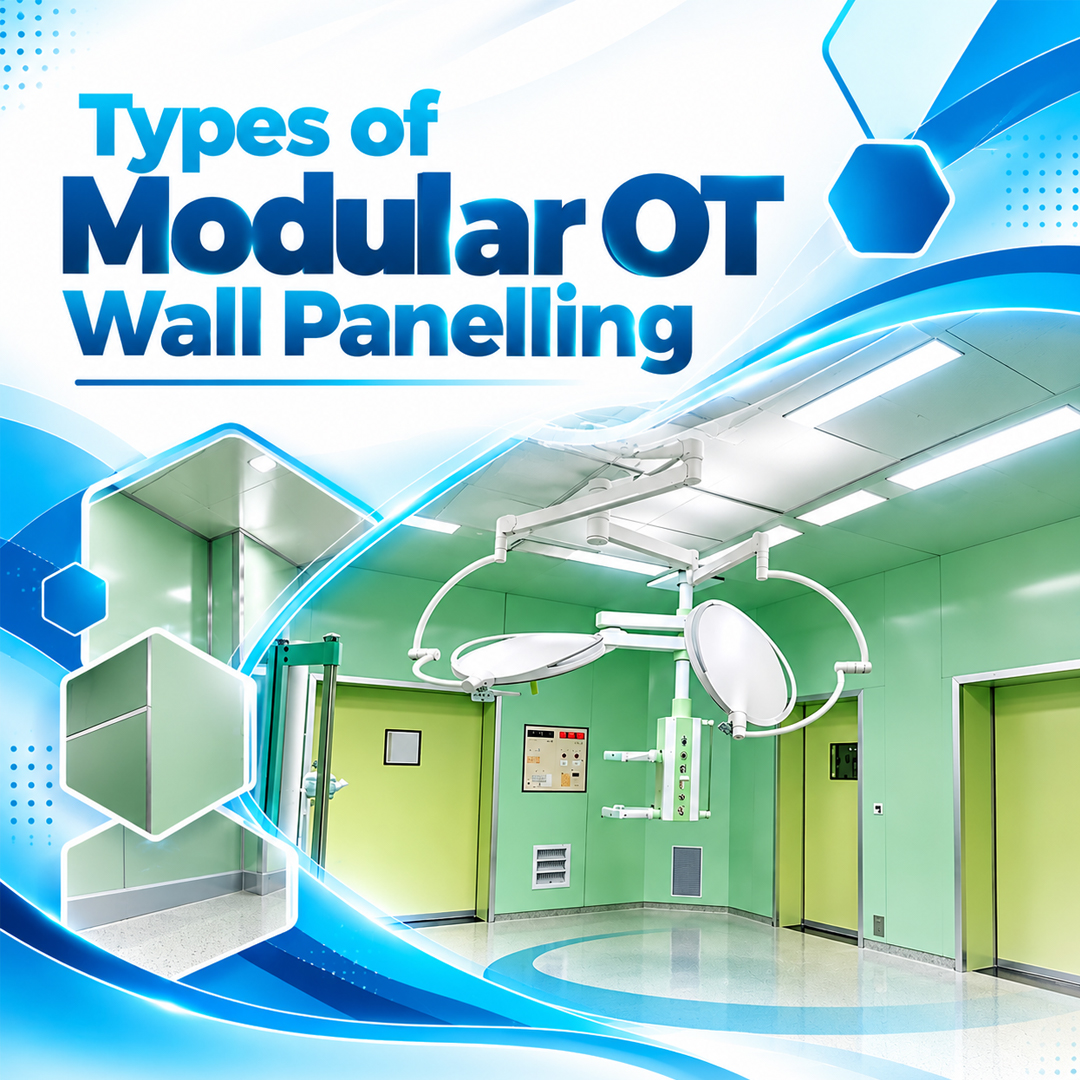
Types of Modular OT Wall Panelling: Key Factors to Consider Before Buying
A modern operating theatre needs more than advanced surgical equipment. Its walls also play an important role in maintaining hygiene, durability, cleanliness, and controlled environmental conditions. Modular OT wall panelling provides a structured solution by combining prefabricated panels with suitable framing, joints, insulation, and service provisions. Depending on the project, hospitals can choose from stainless steel, HPL, galvanised steel, PPGI, glass, and other specialised panel systems.
Each option offers different performance characteristics. Therefore, understanding the available Types of Modular OT Wall Panelling and evaluating factors such as hygiene, chemical resistance, durability, maintenance, fire performance, installation, and future modifications is essential before making a purchase.
What Is Modular OT Wall Panelling?
Modular OT wall panelling is a prefabricated wall system designed for operating theatres and other controlled healthcare environments. Instead of constructing conventional masonry walls and applying multiple finishing layers, modular systems use factory-manufactured panels installed over a supporting framework.
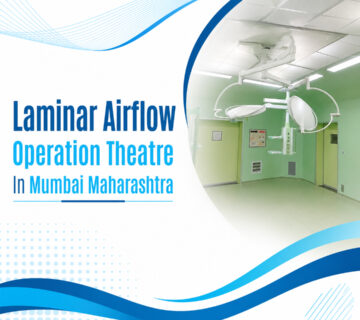
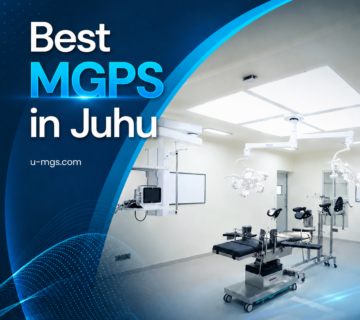
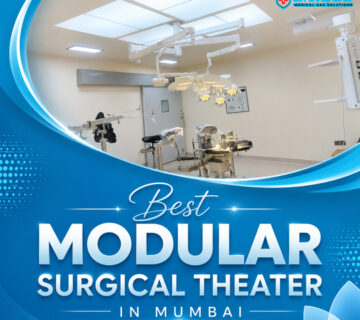
The Modular OT in Mumbai can incorporate provisions for electrical systems, medical gases, equipment, doors, viewing windows, and other OT requirements. Their modular construction also allows you to remove or modify individual sections when maintenance or future upgrades are required. A properly designed system should create smooth, cleanable surfaces while minimising areas where dust, moisture, and contaminants can accumulate.
Types of Modular OT Wall Panelling
Stainless Steel Wall Panels
Stainless steel is one of the most commonly considered materials for operating theatre walls. SS 304 is widely specified, while SS 316 can also be selected for particular applications.
These panels provide a smooth, durable, non-porous surface that can withstand frequent cleaning and exposure to many hospital disinfectants. Stainless steel panels may be supplied with a brushed finish or powder coating.
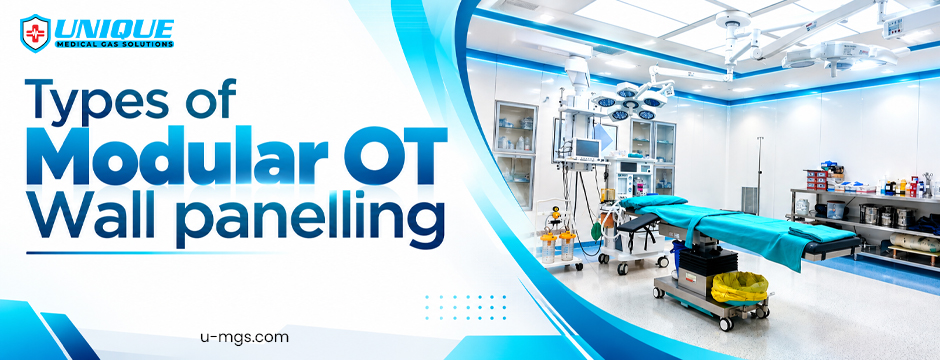
Key benefits include:
- High durability
- Good chemical resistance
- Easy cleaning
- Professional appearance
- Resistance to moisture and corrosion
- Compatibility with modular construction
Check the exact stainless-steel grade, thickness, surface treatment, backing, and joint design before purchase.
HPL Wall Panels
High Pressure Laminate, or HPL, is another option for the Best Modular OT in Mumbai by Unique Medical Gas Solutions. HPL consists of laminated layers bonded under high pressure and temperature. Modern HPL wall systems can provide smooth, hygienic, impact-resistant surfaces and are available in different colours and finishes.
They can therefore combine clinical functionality with greater design flexibility. HPL can be particularly useful when the hospital wants a clean contemporary appearance while maintaining practical maintenance characteristics.
PPGI and Powder-Coated GI Panels
Pre-painted galvanised iron (PPGI) and powder-coated galvanised iron (PCGI) panels are also used in modular OT construction. They combine a metal substrate with a protective surface coating. These systems can offer corrosion resistance, durability, and relatively straightforward maintenance.
However, buyers should examine the coating specification, substrate thickness, surface treatment, and resistance to the cleaning chemicals used by the hospital. The performance of a coated metal wall depends on the complete panel system rather than simply the name of the coating.
Glass Wall Panels
Glass can be incorporated into the wall systems of the Best Modular OT in Mumbai, particularly where visibility and modern aesthetics are important. Toughened safety glass can be used for viewing sections and selected wall applications.
Glass surfaces can be smooth and easy to clean. Some systems also offer printed or backlit glass elements. However, the glass specification should include safety characteristics, thickness, framing, sealing, and compatibility with the overall modular wall system.
Sandwich and Insulated Wall Panels
Some Modular OT Wall Panel use sandwich construction, where metal facings are combined with an insulating core such as polyurethane foam. These panels can provide structural rigidity and thermal or acoustic performance while keeping the installation modular.
Specifications can vary considerably. For example, some Indian healthcare procurement specifications call for SS 304 sandwich panels with rigid polyurethane foam cores and defined panel thicknesses. Therefore, buyers should not compare sandwich panels based only on the external metal finish. The core, density, thickness, fire characteristics, joints, and complete assembly also matter.
Key Factors to Consider Before Buying
Hygiene and Cleanability
Hygiene should be one of the first considerations. Operating theatre walls are exposed to regular cleaning and disinfection. Look for smooth, non-porous surfaces with properly engineered joints. Avoid unnecessary ledges, exposed gaps, sharp internal corners, or difficult-to-clean details.
Some specifications also require rounded corners and sealed joints to minimise contamination and dust accumulation.
Material and Panel Thickness
Do not evaluate multiple Types of Modular OT Wall Panelling only by their surface appearance. Check the material grade and thickness. For stainless steel, confirm whether the specification calls for SS 304 or SS 316. For coated metal panels, verify the base metal and coating system. For sandwich panels, examine both the facing and core. Panel thickness should also correspond with the structural and installation requirements of the project.
Joint and Sealing System
The joints between panels are just as important as the panels themselves. A well-designed modular OT should provide controlled, cleanable, and appropriately sealed connections. Gaskets, sealing tapes, compatible sealants, or other engineered joining methods may be used depending on the system. Some healthcare specifications specifically require sealed joints to support an airtight environment.
Chemical and Disinfectant Resistance
Operating theatre walls are cleaned frequently. Therefore, the selected surface must withstand the disinfectants and cleaning agents actually used by the hospital.
Ask the manufacturer for chemical-resistance information and verify compatibility with your cleaning protocol. A material that performs well under ordinary conditions may behave differently when exposed repeatedly to strong disinfectants or cleaning chemicals.
Fire Performance
Fire performance should be evaluated for the complete wall assembly rather than only the outer surface. Consider the panel facing, core, insulation, adhesives, backing, framework, joints, and penetrations. The required fire classification should be established according to the applicable project standards and regulations.
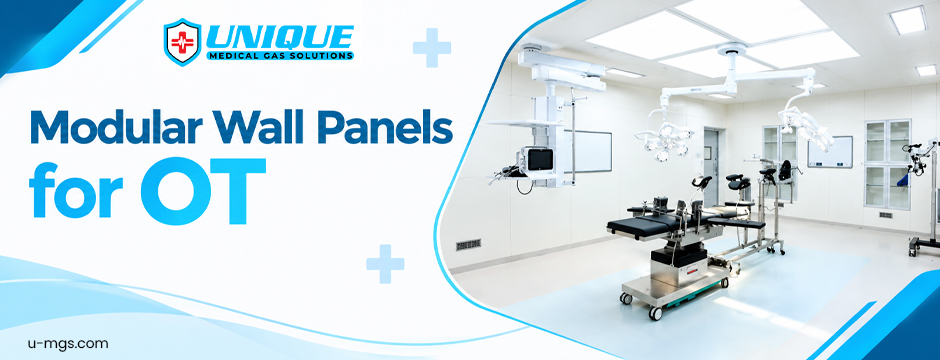
Integration With OT Services
Modular OT in Mumbai contains electrical systems, medical gases, data connections, monitors, equipment, and other services. The wall system should allow these services to be integrated without compromising hygiene or creating unnecessary exposed openings.
Modular systems can also make future access easier because individual panels may be designed for removal and reinstallation.
Maintenance and Future Modifications
Hospitals evolve. Equipment gets upgraded, cables are added, and medical technology changes. Modular Wall Panels for OT can make these changes easier when panels are designed for controlled dismantling and reinstallation. Before buying, ask whether individual panels can be removed without dismantling large sections of the wall.
Installation Quality
Even a high-quality panel can perform poorly if installation is inadequate. Check the manufacturer’s installation methodology, supporting framework, corner details, floor and ceiling connections, panel alignment, sealing method, and service penetrations. The final wall should function as an integrated system rather than a collection of individually installed panels.
Compliance With Project Requirements
Finally, confirm that the proposed system meets the applicable hospital, healthcare, fire, electrical, infection-control, and building requirements for your project. Indian healthcare projects may also specify requirements for materials such as SS 304, antibacterial coatings, sealed joints, panel thickness, and modular access.
How to Choose the Right Wall Panel
There is no single wall material that suits every operating theatre. The right choice depends on the clinical requirements, cleaning procedures, design, expected usage, service integration, maintenance strategy, and project specifications.
For example, stainless steel may be considered when durability and chemical resistance are major priorities. HPL may suit projects seeking design flexibility alongside hygienic surfaces. PPGI or powder-coated GI can be considered for specific modular applications, while glass can add visibility and design flexibility. The important point is to compare the complete wall system, not simply the panel material.
Wrapping Up
Choosing between various Types of Modular OT Wall Panelling requires careful consideration of hygiene, material quality, panel construction, joint sealing, chemical resistance, fire performance, service integration, maintenance, and installation. Stainless steel, HPL, PPGI, powder-coated GI, glass, and insulated sandwich panels can each serve different requirements. Hospitals should therefore evaluate technical specifications and long-term operational needs before finalising a system.
For hospitals, healthcare architects, contractors, and facility planners looking for modular operating theatre solutions, Unique Medical Gas Solutions can be considered for modular OT wall panelling and related healthcare infrastructure requirements. Explore us to understand our solutions and discuss the specifications suitable for your project.
FAQ
Modular OT wall panelling is a prefabricated wall system designed for operating theatres. It creates smooth, hygienic, easy-to-clean surfaces while allowing medical gases, electrical systems, equipment, and other utilities to be integrated into the OT infrastructure.
The appropriate material depends on the operating theatre’s requirements. Stainless steel, HPL, PPGI, powder-coated GI, glass, and insulated sandwich panels are commonly considered. Factors such as durability, hygiene, chemical resistance, fire performance, maintenance, and project specifications should guide the selection.
Stainless steel offers a smooth and durable surface with good resistance to moisture, corrosion, and many cleaning chemicals. Grades such as SS 304 are commonly specified for healthcare environments, although the appropriate grade should be determined by the project’s technical requirements.
Check the panel material for various Types of Modular OT Wall Panelling, thickness, surface finish, joint design, sealing system, chemical resistance, fire performance, insulation, maintenance requirements, and compatibility with medical services. Installation quality and compliance with applicable project requirements should also be considered.
Well-designed modular OT wall systems can simplify maintenance because their smooth surfaces are intended for regular cleaning. Certain systems also allow individual panels to be removed to access concealed utilities or make future modifications without rebuilding the entire wall.