Prefab Modular OT Setup in India: How It Improves Hygiene, Safety, and Efficiency
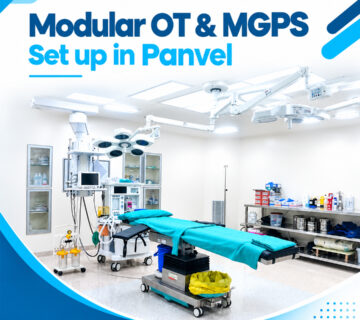
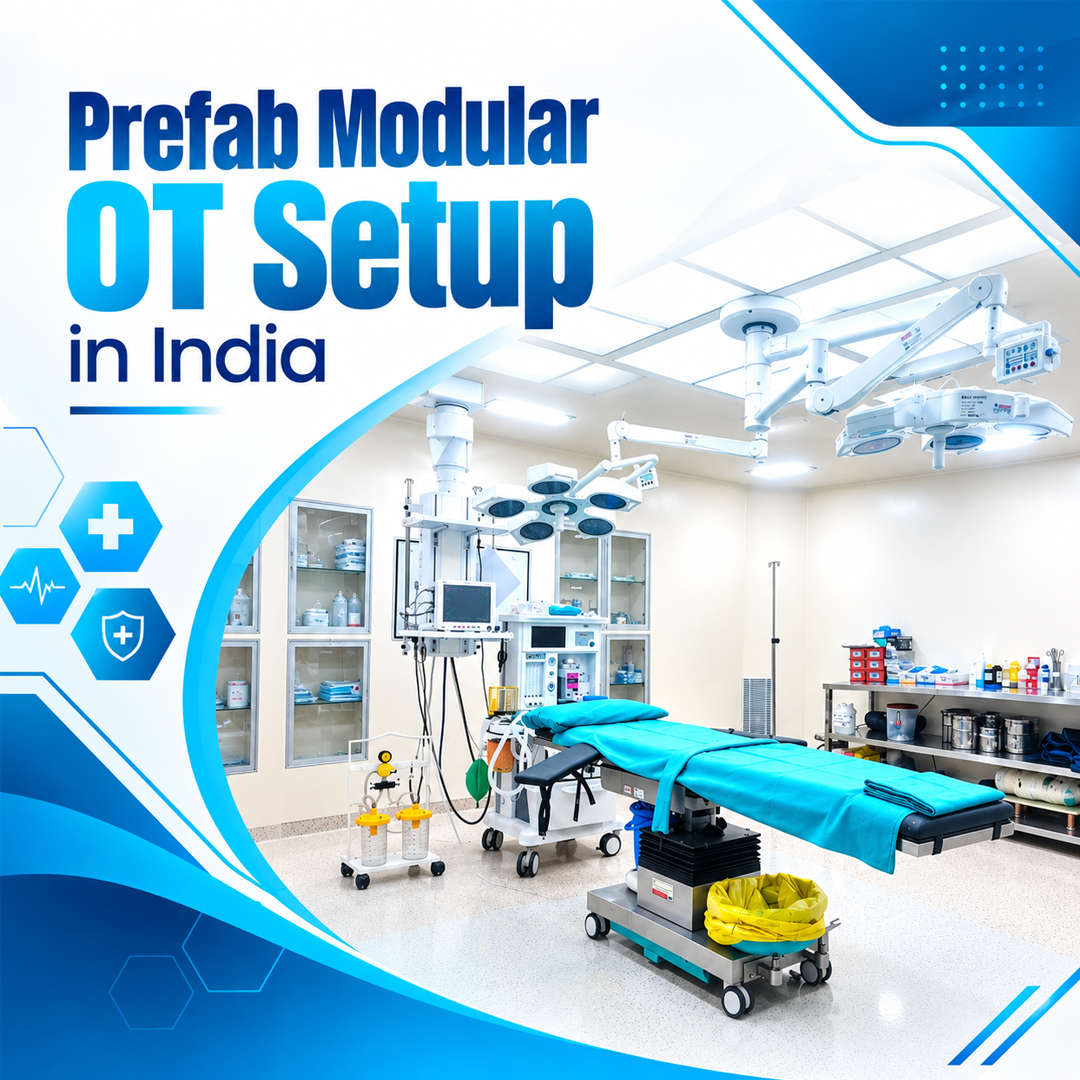
Modern healthcare demands more than advanced surgical equipment—it requires an operating environment where hygiene, safety, precision, and workflow work together seamlessly. This is where a prefab modular OT setup in India is becoming an increasingly practical solution for hospitals and surgical centres. Unlike conventional construction, modular operating theatres use factory-engineered components that can be assembled into a controlled surgical environment with integrated walls, ceilings, flooring, HVAC, filtration, medical gases, lighting, and other essential systems.
With faster installation, easier maintenance, controlled airflow, and customizable layouts, prefab modular OTs can help healthcare facilities create efficient surgical spaces while supporting stringent infection-control requirements.
What Is a Prefab Modular OT Setup?
A prefabricated modular operation theatre is a pre-engineered surgical environment in which major components are manufactured or prepared before being installed at the hospital.
The system can include:
- Modular wall and ceiling panels
- Seamless or hygienic flooring
- HVAC and air-handling systems
- HEPA filtration
- Laminar airflow systems
- Medical gas pipeline systems
- OT control panels
- Surgical lighting
- Hermetically sealed or specialised doors
- Electrical and equipment integration
Because many elements are standardised and factory-produced, the installation process can be more controlled than conventional on-site construction. Government hospital specifications also recognise prefabricated modular construction for its flexibility, easier installation, and potential for future disassembly or expansion.
How Prefab Modular OTs Improve Hygiene
Seamless Surfaces Reduce Contamination Risks
Traditional construction can leave joints, cracks, corners, and uneven surfaces where dust and microorganisms may accumulate. Modular OT panels are designed to create smoother, easier-to-clean interiors.
Seamless wall and ceiling systems, combined with appropriate medical-grade flooring, make routine cleaning and disinfection more manageable. Some modular OT designs also use stainless steel or specialised antibacterial surface finishes for greater durability and hygiene. The Modular OT Cost in India can range from ₹5 lakh to ₹25 lakh per project, depending on the size and specifications.
Advanced Air Filtration
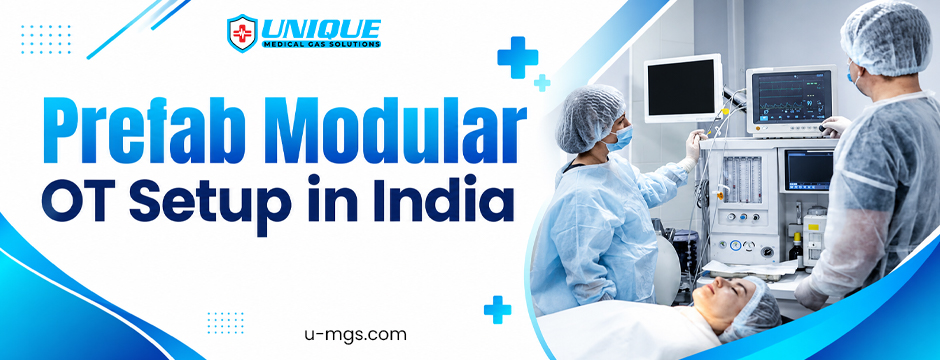
Air quality is one of the most important aspects of an operating theatre. Modern modular OTs can integrate HVAC systems with HEPA filtration and controlled airflow to reduce airborne particulate contamination.
Laminar airflow systems are designed to deliver controlled, filtered air over critical areas, while pressure management helps limit the movement of contaminated air between different zones. These systems work together to create a controlled surgical environment.
Controlled Temperature and Humidity
Surgical teams require a stable environment for both patient comfort and equipment performance. An appropriately designed OT HVAC system can regulate temperature, humidity, air changes, filtration, and pressure.
This makes HVAC design much more than a comfort feature—it becomes an important part of the infection-control and operational strategy of the theatre.
Improving Safety Inside the Operating Theatre
Integrated Medical Gas Systems
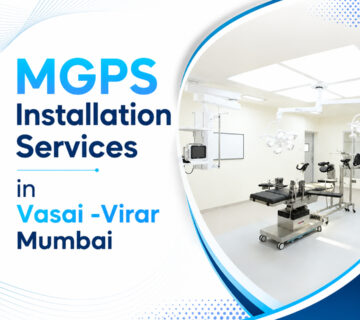
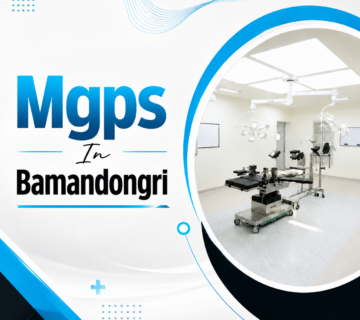
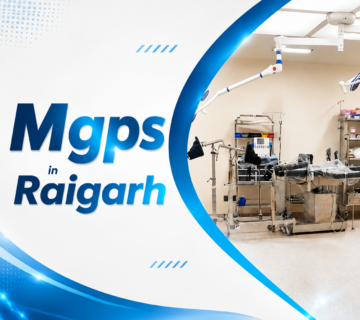
A Modular OT Manufacturer requires dependable access to medical gases such as oxygen, nitrous oxide, medical air, and vacuum, depending on the clinical requirements. Prefab modular OT systems can be designed with medical gas pipeline systems and outlets integrated into the overall theatre layout. This reduces unnecessary clutter and allows surgical teams to access critical utilities efficiently. Modular OT solutions commonly integrate MGPS alongside HVAC, cleanroom panels, and other infrastructure.
Better Electrical and Equipment Planning
Operating theatres contain numerous devices, including surgical lights, anaesthesia equipment, monitors, electrosurgical units, imaging equipment, and other specialised technologies. A modular design allows electrical points, equipment mounts, ceiling systems, pendants, lighting, and data connections to be planned around the workflow instead of being added as an afterthought. This can help reduce cable clutter, improve accessibility, and create a more organised surgical environment.
Fire and Emergency Safety
Safety planning is especially important in an equipment-intensive environment such as an OT. Properly designed theatres can incorporate fire detection, emergency systems, clearly planned exits, appropriate electrical infrastructure, and safe equipment positioning.
For example, hospital modular OT specifications may include dedicated fire detection and other safety provisions suited to equipment-heavy surgical environments.
How Modular OTs Improve Surgical Efficiency
Faster Installation
One of the biggest advantages of prefabrication is speed. Components can be prepared away from the main hospital construction site while other work continues simultaneously.
Once the site is ready, modular components can be installed and integrated comparatively quickly. This can reduce disruption to hospital operations and potentially allow a new surgical facility to become operational sooner than a conventional construction project.
Optimized Workflow
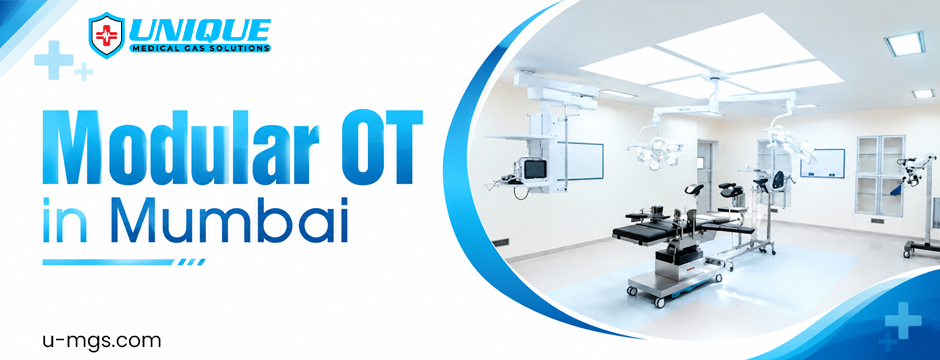
A Modular OT in Mumbai should be designed around people and movement—not simply available floor space.
A modular approach makes it possible to plan locations for:
- Surgical tables
- Medical pendants
- Scrub areas
- Surgical lights
- Equipment
- Staff movement
- Patient transfer
- Sterile supplies
- Waste disposal
- Medical gas outlets
Good spatial planning reduces unnecessary movement and helps surgical teams access essential equipment when they need it.
Easier Cleaning and Maintenance
Maintenance is another important consideration for hospitals. An operating theatre operates under demanding conditions, so its infrastructure needs to withstand frequent cleaning and disinfection.
Smooth, non-porous surfaces can simplify cleaning, while accessible service areas make maintenance easier. Modular construction can also provide better access to integrated systems when components need inspection, replacement, or upgrading. This becomes particularly valuable for hospitals that want to maintain their OT infrastructure over many years rather than treating construction as a one-time investment.
Flexibility for Future Upgrades
Healthcare technology changes quickly. A surgical theatre designed only for today’s requirements may become restrictive in the future. Prefab modular systems by the Modular OT manufacturers in India offer a degree of flexibility because their components and integrated services can be planned with future modifications in mind.
Government technical specifications for prefabricated modular OTs specifically highlight flexibility and the possibility of future disassembly or enlargement. This can make modular construction particularly useful for growing hospitals, speciality surgical centres, and facilities planning phased expansion.
Why Prefab Modular OT Is Relevant for Indian Hospitals
India’s healthcare infrastructure is developing rapidly, with hospitals across metropolitan cities as well as emerging healthcare markets investing in modern surgical facilities. At the same time, hospitals have to balance patient safety, infection control, construction timelines, available space, operational continuity, and budget considerations.
A Prefab Modular OT Setup in India addresses several of these challenges through an integrated approach. Instead of treating walls, flooring, HVAC, filtration, medical gases, electrical systems, and surgical infrastructure as completely separate elements, the modular concept brings them together as part of one coordinated environment. NABH-oriented OT planning also places significant emphasis on infection control, safety, workflow, and appropriate infrastructure, making careful design and engineering essential.
Choosing the Right Modular OT Setup
Not every hospital requires the same OT configuration from the Top modular OT manufacturers. The ideal setup depends on factors such as:
- Type of surgeries performed
- Available room dimensions
- Number of operating rooms
- Required cleanliness levels
- HVAC requirements
- Medical equipment
- Medical gas requirements
- Expected patient volume
- Future expansion plans
- Applicable healthcare standards
Therefore, hospitals should look beyond the appearance of an OT and evaluate the engineering, materials, airflow strategy, utility integration, installation quality, testing, commissioning, and after-sales support.
Wrapping Up
A prefab modular OT setup in India offers a practical way to build surgical environments that prioritise hygiene, safety, efficiency, and long-term flexibility. From seamless surfaces and controlled airflow to integrated medical gases, organised equipment placement, faster installation, and easier maintenance, modular construction can address many of the challenges associated with conventional OT development.
For hospitals planning a new operation theatre or upgrading an existing facility, choosing an experienced modular OT partner is essential. Unique Medical Gas Solutions provides healthcare infrastructure solutions designed around the specific requirements of modern medical facilities. To explore solutions for a reliable and professionally planned modular OT setup, visit us and discuss your project’s requirements with our team.
Get in Touch
Have questions about modular OT design, installation, or turnkey solutions? Connect with the team to discuss your requirements, project scope, and available options. Reach out to Unique Medical Gas Solutions for further information.
Phone: +91 97024 23412
Email: info@u-mgs.com / uniquemgs7@gmail.com