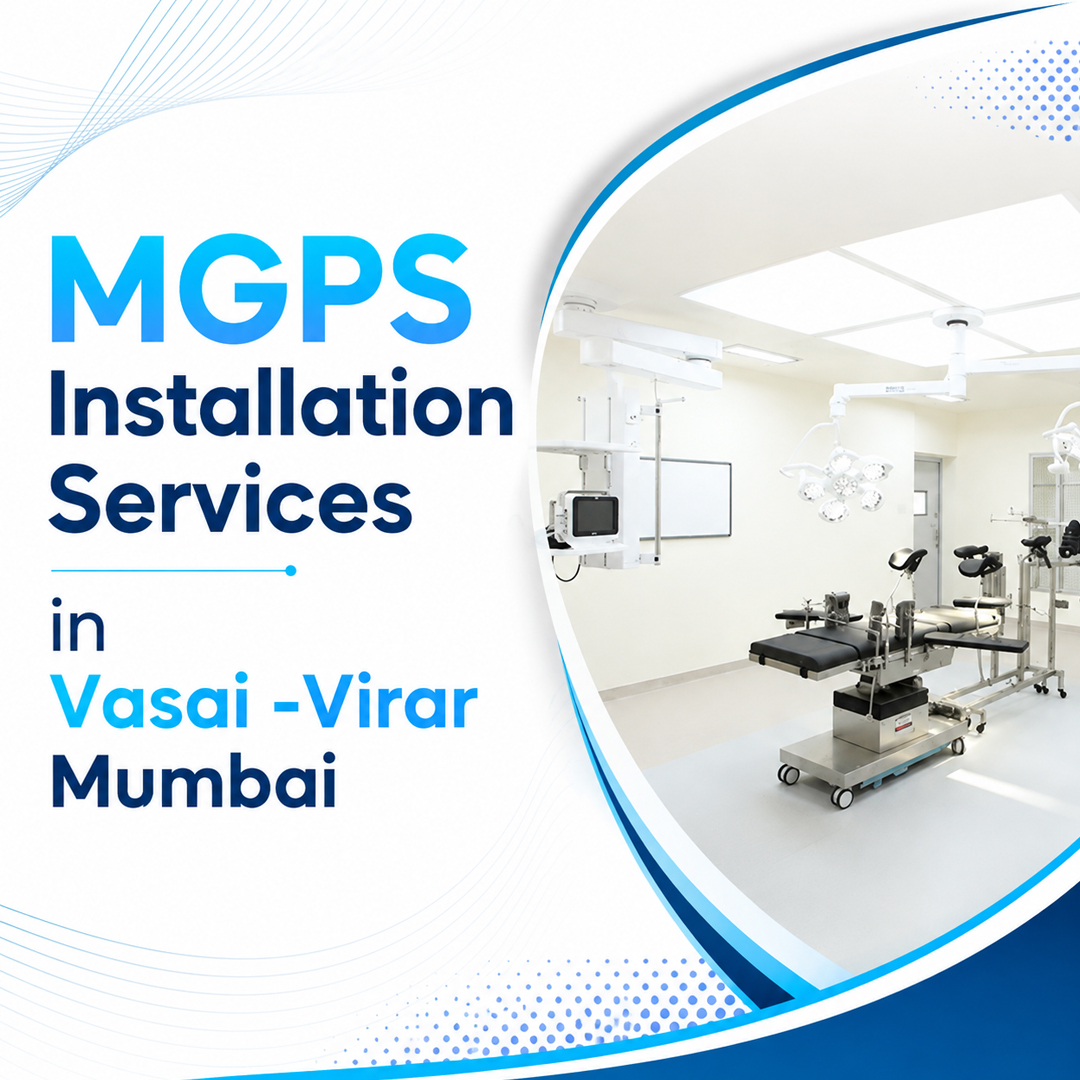
Medical Gas Pipeline Installation Services in Vasai-Virar, Mumbai
Modern healthcare facilities depend on much more than doctors, nurses, medicines, and advanced equipment. Behind every efficient ICU, operation theatre, emergency department, and patient ward is a carefully engineered infrastructure that supports uninterrupted medical care. A Medical Gas Pipeline System (MGPS) is one of the most critical components of this infrastructure. It enables medical gases such as oxygen, medical air, nitrous oxide, and vacuum to reach designated points safely and efficiently.
As healthcare infrastructure continues to develop across Vasai-Virar, demand for dependable MGPS Installation Services in Vasai- Virar Mumbai is growing. A professionally designed and installed MGPS can improve operational efficiency, safety, accessibility, and long-term reliability.
What Is a Medical Gas Pipeline System?
A Medical Gas Pipeline System is a centralised distribution network that transports medical gases from their source to terminal outlets throughout a healthcare facility.
Instead of depending entirely on individual cylinders or portable equipment, hospitals can distribute gases through dedicated pipelines to areas such as:
- Intensive Care Units (ICUs)
- Operation theatres
- Emergency departments
- Patient wards
- Recovery rooms
- Labour and delivery rooms
- Diagnostic areas
- Dental treatment rooms
- Critical care units
Municipal hospital specifications in Mumbai describe MGPS as a centralised system that delivers medical gases, medical air, and vacuum from the supply source to appropriate terminal units. Such systems can reduce the operational challenges associated with transporting and storing portable cylinders.
Why Medical Gas Pipeline Installation Is Important in Vasai-Virar
Vasai-Virar is a rapidly developing urban area in the Mumbai Metropolitan Region, with an expanding healthcare ecosystem. The Vasai-Virar City Municipal Corporation maintains a list of hospitals and healthcare facilities across Vasai, Virar, Nalasopara, and surrounding areas.
As hospitals, nursing homes, speciality clinics, diagnostic centres, and critical-care facilities expand, reliable medical gas infrastructure becomes increasingly important.
A professionally installed MGPS helps healthcare facilities achieve:
- Reliable gas distribution
- Better accessibility at patient-care points
- Reduced dependence on portable cylinders
- Improved workflow for medical staff
- Organised gas management
- Enhanced operational safety
- Easier monitoring and maintenance
- Support for future healthcare expansion
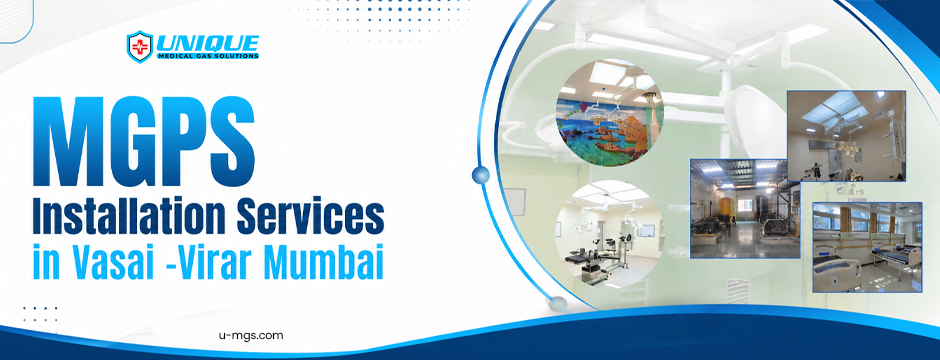
Medical Gases Commonly Distributed Through MGPS
The exact gases required depend on the type, size, and clinical functions of a facility. A properly planned system may include:
Medical Oxygen
Oxygen is one of the most essential medical gases and is widely required in ICUs, emergency departments, operation theatres, wards, and other patient-care areas.
Medical Air
Medical air is used for respiratory support, ventilators, anaesthesia equipment, and other clinical applications.
Medical Vacuum
Vacuum systems provide suction for procedures, patient care, and operating-room applications.
Nitrous Oxide
Nitrous oxide may be required for anaesthesia and certain clinical procedures, depending on the facility’s requirements.
Other Specialised Gases
Depending on the healthcare facility, additional gases or systems may be incorporated into the MGPS design. The system should therefore be customised according to the hospital’s clinical requirements rather than using a generic layout.
Key Components of a Medical Gas Pipeline System
A complete MGPS is more than just a network of pipes. It consists of multiple interconnected components designed to provide controlled and dependable gas delivery.
Gas Source and Manifold
The source area provides the medical gas supply. Manifold arrangements can be designed to support primary and backup supplies, helping healthcare facilities maintain continuity.
Medical-Grade Copper Pipelines
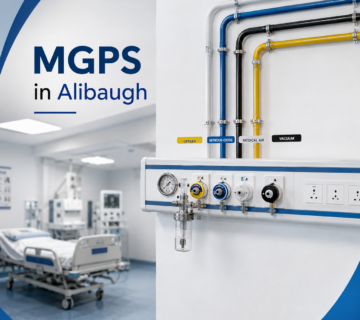
Medical gas distribution commonly uses specialised medical-grade copper piping. Mumbai municipal technical specifications, for example, call for medical-grade copper pipes with defined characteristics such as seamless construction, deoxidization, degreasing, and capped ends.
Zone Valve Boxes
Zone valve systems allow sections of the medical gas network to be isolated when maintenance or emergency intervention is required.
Area Alarm Systems
Alarm systems help healthcare personnel identify abnormal pressure or supply conditions and respond quickly.
Terminal Outlets
Terminal outlets are the points where medical equipment connects to the gas supply. Their positioning should be planned around patient-care requirements and equipment layouts.
Master Alarm Panels
A master alarm arrangement can provide centralised monitoring of the MGPS and alert responsible personnel when specific operating conditions require attention.
Our Medical Gas Pipeline Installation Process
Professional MGPS Installation Services in Vasai- Virar Mumbai require systematic planning from the initial site assessment through final commissioning.
Site Survey and Requirement Assessment
The project begins with an assessment of the healthcare facility. Engineers evaluate the number of beds, ICU capacity, operating theatres, departments, equipment requirements, gas consumption, existing infrastructure, and potential future expansion.
MGPS Design and Planning
The next stage involves preparing pipeline routes, source locations, outlet positions, valve arrangements, alarm systems, and other technical details.
A good design should consider both present requirements and future expansion so that the hospital does not need major infrastructure modifications later.
Pipeline Installation
Once the design is approved, the medical gas pipeline network is installed according to the project specifications. Special attention should be given to jointing, routing, cleanliness, identification, and protection of the pipeline.
Equipment and Outlet Installation
Manifolds, valves, alarms, terminal outlets, control systems, and associated components are installed and integrated into the distribution network.
Testing and Commissioning
Testing is one of the most important stages of MGPS installation. Systems may require pressure, leakage, flow, functional, and other relevant checks before being placed into operational service.
Professional MGPS providers commonly include testing and commissioning as an integral part of the installation process.
Final Inspection and Handover
After successful testing, documentation, operational guidance, and system handover can be completed. Maintenance requirements should also be explained to the facility’s responsible personnel.
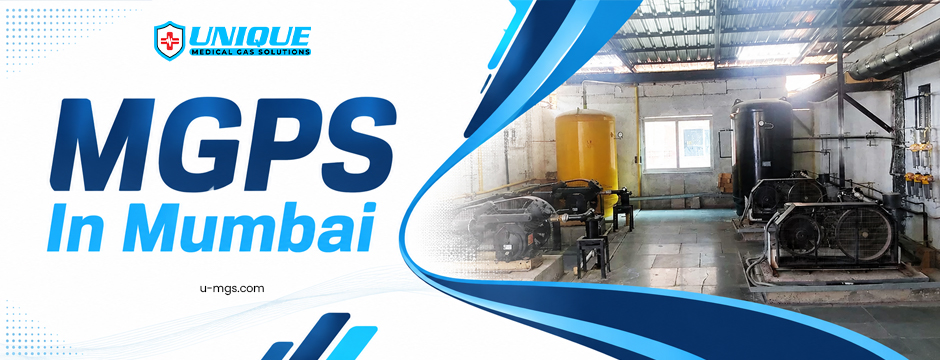
What Makes a Good MGPS Installation?
Healthcare facilities should evaluate several factors before selecting an MGPS in Mumbai partner.
Safety First
Medical gas systems directly support patient care. Therefore, material selection, installation quality, testing, and commissioning should receive the highest priority.
Correct Pipeline Routing
Pipeline routing should be carefully planned to avoid unnecessary complexity and provide easy access for inspection and maintenance.
High-Quality Materials
Using appropriate medical-grade components can contribute to system reliability and durability.
Proper Testing
A pipeline should not simply be installed and put into service. Appropriate testing and commissioning are essential to verify that the system performs as intended.
Future Scalability
Hospitals frequently expand their services. Designing with future capacity in mind can make subsequent expansion easier and more cost-effective.
Why Choose Professional Medical Gas Pipeline Installation Services?
Attempting to treat an MGPS as ordinary plumbing can create significant safety and operational problems. Medical gas systems require specialised engineering because the gases supplied are directly associated with clinical applications.
A professional service provider can assist with:
- Requirement assessment
- Engineering and design
- Pipeline routing
- Medical-grade piping
- Manifold installation
- Valve and alarm systems
- Terminal outlet installation
- Testing and commissioning
- Documentation
- Maintenance planning
- System upgrades and expansion
Mumbai’s public hospital technical specifications also recognise MGPS as a specialised installation governed by established standards and guidelines, rather than conventional plumbing infrastructure.
Applications Across Healthcare Facilities
Medical gas pipeline installation can be suitable for a wide range of healthcare projects in Vasai-Virar, including:
- Multispecialty hospitals
- Private hospitals
- Nursing homes
- ICUs
- Operation theatres
- Emergency departments
- Maternity centres
- Specialty clinics
- Diagnostic centres
- Day-care hospitals
- Dental facilities
- Healthcare expansion projects
Whether the requirement involves a new hospital construction project or modernisation of an existing facility, the MGPS should be planned around the specific clinical and architectural requirements of the premises.
Maintenance Matters After Installation
Installation is only the beginning of an MGPS lifecycle. Regular inspection and maintenance can help identify potential issues before they affect hospital operations.
Healthcare facilities should consider periodic checks of:
- Pipeline condition
- Pressure levels
- Valves
- Alarm systems
- Terminal outlets
- Manifold equipment
- Backup supply arrangements
- Connections and joints
- Overall system performance
Preventive maintenance can also help healthcare organisations reduce unexpected downtime and maintain dependable medical gas availability.
End Thoughts
A dependable Medical Gas Pipeline System is a fundamental part of modern healthcare infrastructure. For hospitals, ICUs, operation theatres, nursing homes, and other medical facilities in Vasai-Virar, choosing the right MGPS Installation Services in Vasai- Virar Mumbai can make a meaningful difference to safety, efficiency, and long-term system performance. From design and medical-grade piping to installation, testing, commissioning, and maintenance, every stage deserves specialised attention.
For healthcare organisations looking for professional Medical Gas Pipeline Installation Services in Vasai-Virar, Mumbai, Unique Medical Gas Solutions can be considered for specialised medical gas infrastructure solutions. Visit us to explore our services and discuss your medical gas pipeline requirements with the team.
FAQs
RAG
Medical Gas Pipeline Installation Services in Vasai-Virar, Mumbai provide healthcare facilities with a centralised system for distributing essential medical gases throughout the premises. A Medical Gas Pipeline System (MGPS) can deliver medical oxygen, medical air, vacuum, nitrous oxide, and other required gases to critical areas such as ICUs, operation theatres, emergency rooms, patient wards, recovery rooms, and specialised treatment units. Professional installation ensures that the pipeline network is planned according to the facility’s clinical requirements, layout, gas consumption, safety considerations, and future expansion needs.
A complete Medical Gas Pipeline Installation Service in Vasai-Virar involves much more than laying pipelines. The process can include site assessment, MGPS engineering and design, medical-grade copper pipeline installation, manifold setup, zone valve installation, terminal outlets, alarm systems, pressure testing, leakage testing, commissioning, and documentation. Each component needs to be properly integrated to support reliable gas distribution. Professional testing and commissioning are particularly important because medical gas systems are directly connected to critical healthcare operations and patient-care equipment.
Hospitals, nursing homes, ICUs, diagnostic centres, maternity facilities, speciality clinics, and other healthcare establishments can benefit from professionally planned Medical Gas Pipeline Installation Services in Vasai-Virar, Mumbai. A well-designed MGPS can improve accessibility to medical gases, streamline healthcare workflows, and reduce the operational dependence on individual cylinders at multiple points of use. When selecting an installation provider, healthcare organisations should evaluate technical expertise, quality of medical-grade components, system design capabilities, testing procedures, maintenance support, and the ability to accommodate future infrastructure expansion.