How Does MGPS in Bamandongri Keep Modern Healthcare Moving?
Modern healthcare depends on more than doctors, nurses, medicines, and advanced equipment. Behind every efficient hospital is critical infrastructure that helps clinical teams deliver care safely and without unnecessary interruptions. One such system is the Medical Gas Pipeline System, or MGPS.
In growing healthcare hubs, where hospitals and medical facilities need reliable infrastructure, MGPS in Bamandongri can play an important supporting role. It provides medical gases from centralised sources to critical areas such as intensive care units, operating theatres, emergency departments, and patient wards.
What Is an MGPS?
A Medical Gas Pipeline System is a specialised network designed to distribute essential medical gases throughout a healthcare facility. Instead of depending entirely on individual cylinders being transported from one location to another, an MGPS connects centralised gas sources with designated points of use.
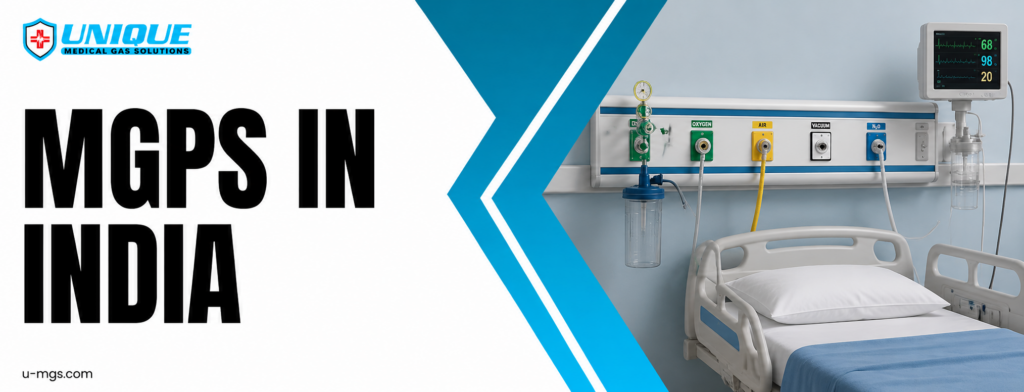
The system can support services such as medical oxygen, nitrous oxide, medical air, surgical air, medical vacuum, carbon dioxide, and anaesthetic gas scavenging systems, depending on the requirements of the facility. India’s National Guidelines on Medical Oxygen Management describe MGPS as the common linkage between different oxygen sources and patient-care areas. This infrastructure becomes especially important in areas where healthcare facilities are expanding and patient-care requirements are becoming more sophisticated.
Why MGPS Matters in Bamandongri
Bamandongri and surrounding areas are part of the rapidly developing Navi Mumbai region. As residential communities, commercial developments, and healthcare infrastructure grow together, medical facilities need systems that can support increasingly demanding clinical environments. Hospitals cannot afford interruptions in essential medical gas availability.
Oxygen, for example, may be required across emergency care, intensive care, respiratory treatment, and operating rooms. A properly planned pipeline system allows these areas to access medical gases through designated terminal outlets. The importance of adequate MGPS capacity became particularly evident during periods of exceptionally high oxygen demand. A published hospital case study showed that having sufficient oxygen available at the source does not necessarily guarantee adequate delivery if pipeline pressure-reducing capacity becomes a bottleneck.
Supporting Critical Care Areas
Intensive Care Units
ICUs often require dependable oxygen and medical air supplies for ventilators and other respiratory equipment. A centralised MGPS can deliver these services directly to designated bedside outlets.
This reduces the need for staff to repeatedly move cylinders around busy clinical areas. It also helps hospitals organise their gas distribution infrastructure more systematically.
Operating Theatres
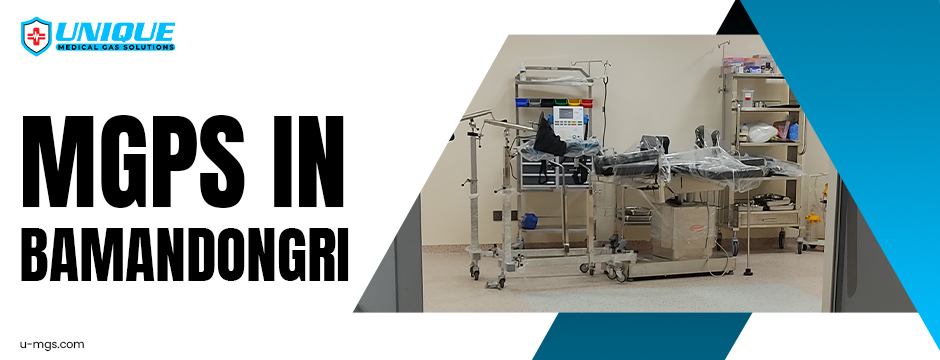
Operating theatres rely on multiple medical gases during surgical procedures. Oxygen and medical air can support respiratory equipment, while nitrous oxide may be used in appropriate anaesthesia applications. Medical vacuum can also support suction requirements.
A properly designed system helps position these services where clinical teams need them, supporting smoother operating-room workflows.
Emergency Departments
Emergency departments require fast access to essential resources. Patients may arrive with respiratory distress, trauma, or other conditions requiring immediate intervention.
By providing medical gas outlets in strategically planned locations, MGPS infrastructure can help clinical teams access essential gases without relying solely on portable cylinders.
Reducing Dependence on Manual Cylinder Handling
Traditional cylinder-based supply can create additional logistical responsibilities. Cylinders need to be stored, transported, connected, monitored, and replaced. In a busy healthcare facility, these activities can consume staff time and create additional movement through patient-care areas. An MGPS centralises distribution. Gas can travel from the supply source through the pipeline network to terminal outlets across the hospital.
This does not mean cylinders become unnecessary. Backup and emergency supplies remain important because hospitals need contingency arrangements if the primary supply or pipeline becomes unavailable. Research into hospital MGPS performance has highlighted the importance of maintaining alternative supply arrangements and adequate backup capacity.
Safety Is at the Core of MGPS
MGPS in Bamandongri must be designed around safety. A pipeline system is not simply a collection of pipes. It includes supply sources, pressure-control equipment, valves, terminal units, alarms, and monitoring systems.
The Central Public Works Department’s recent hospital specifications, for example, identify monitoring and alarm systems as important parts of MGPS installations. These systems can monitor pipeline pressure and provide audio-visual warnings when abnormal conditions occur. Safety also depends on correct identification of individual gas services, appropriate installation, testing, maintenance, and effective isolation mechanisms.
The Importance of Proper System Design
Planning for Current Demand
An MGPS should be designed according to the healthcare facility’s size, departments, patient capacity, and expected medical gas consumption.
Simply installing pipelines without accurately estimating demand can create operational problems later.
Planning for Future Expansion
Healthcare facilities can change significantly over time. Hospitals may add new ICU beds, operating rooms, diagnostic areas, or emergency capacity.
Therefore, MGPS planning should consider future expansion rather than focusing only on current requirements. A system with appropriate capacity planning can make future modifications more manageable.
Managing Peak Demand
Normal daily consumption does not always represent the highest possible requirement. Emergencies, outbreaks, major surgeries, or sudden increases in critical-care patients can significantly increase oxygen demand.
A hospital’s MGPS in India should therefore account for appropriate surge requirements and backup arrangements. A documented hospital experience demonstrated how increased ventilator and oxygen demand could expose limitations in pressure-reduction and pipeline capacity.
Monitoring Keeps the System Reliable
Installation is only one stage of MGPS management. Regular inspection, testing, monitoring, and preventive maintenance are equally important. Healthcare facilities can use alarm systems to identify pressure abnormalities and other problems. Maintenance teams can also inspect components such as valves, terminal units, pressure-control equipment, and other critical infrastructure.
Third-party MGPS audits can provide another layer of quality control. Recent research has described audits covering plant rooms, distribution networks, alarms, terminal outlets, isolation valves, maintenance practices, and system documentation.
Improving Hospital Efficiency
MGPS can contribute to operational efficiency in several ways. First, centralised distribution reduces the routine movement of cylinders throughout the facility. Second, strategically positioned outlets allow medical teams to access required gases closer to the point of care. Third, monitoring and alarm systems can provide information about system conditions.
These benefits can become particularly valuable as hospitals become larger and more technologically advanced.
MGPS and the Future of Healthcare Infrastructure
Healthcare infrastructure is increasingly being designed around reliability, scalability, and efficiency. Modern hospitals need their engineering systems to support advanced clinical equipment and increasingly complex patient-care environments. MGPS forms an important part of this infrastructure. Its role extends beyond delivering oxygen.
Depending on the facility, it can support several medical gas services and connect centralised supply systems with different clinical departments. For healthcare developments in and around Bamandongri, thoughtful MGPS planning can therefore be an important consideration when creating facilities designed for present and future medical requirements.
Bottom Line
As healthcare infrastructure continues to develop in Bamandongri, reliable medical support systems will remain essential to keeping clinical operations running smoothly. MGPS in Bamandongri provides a structured way to distribute vital medical gases across ICUs, operating theatres, emergency departments, wards, and other patient-care areas. However, its effectiveness depends on proper design, capacity planning, safety systems, testing, maintenance, and backup arrangements.
For healthcare facilities seeking professional expertise in medical gas pipeline infrastructure, Unique Medical Gas Solutions provides specialised MGPS solutions designed around the requirements of modern healthcare environments. With the right planning and implementation, a dependable medical gas infrastructure can become a strong foundation for safer, more efficient, and future-ready healthcare delivery.
FAQs
RAG
Modern hospitals require dependable infrastructure to support continuous patient care. A well-designed medical gas pipeline system connects centralised gas sources with critical departments, allowing healthcare professionals to access essential gases through dedicated outlets. In developing healthcare locations such as Bamandongri, this infrastructure can help facilities prepare for growing patient volumes and increasingly sophisticated clinical requirements. Proper capacity planning is particularly important because oxygen and other medical gases may experience significant demand during emergencies, intensive care, surgical procedures, and periods of increased patient admissions.
An effective MGPS requires more than installing pipelines between a gas source and hospital departments. The system needs appropriate pressure control, isolation valves, terminal outlets, alarms, identification, testing, and maintenance procedures. Proper planning also helps reduce unnecessary cylinder movement across busy clinical environments. Hospitals should consider both present requirements and potential future expansion when designing the network. With appropriate engineering and regular monitoring, an MGPS can support reliable medical gas availability while contributing to a more organised and efficient healthcare environment.
Healthcare facilities continue to evolve as new departments, technologies, treatment capabilities, and patient-care requirements emerge. MGPS infrastructure should therefore be capable of supporting changing operational demands. Capacity planning, backup arrangements, preventive maintenance, and system monitoring can help healthcare facilities maintain dependable medical gas services. In growing areas such as Bamandongri, investing in appropriately planned medical gas infrastructure can help hospitals build a stronger foundation for long-term operations. A well-engineered system can support both day-to-day clinical activities and periods when healthcare demand rises unexpectedly.