How Does Regular Maintenance Keep MGPS in Uran Raigad Reliable?
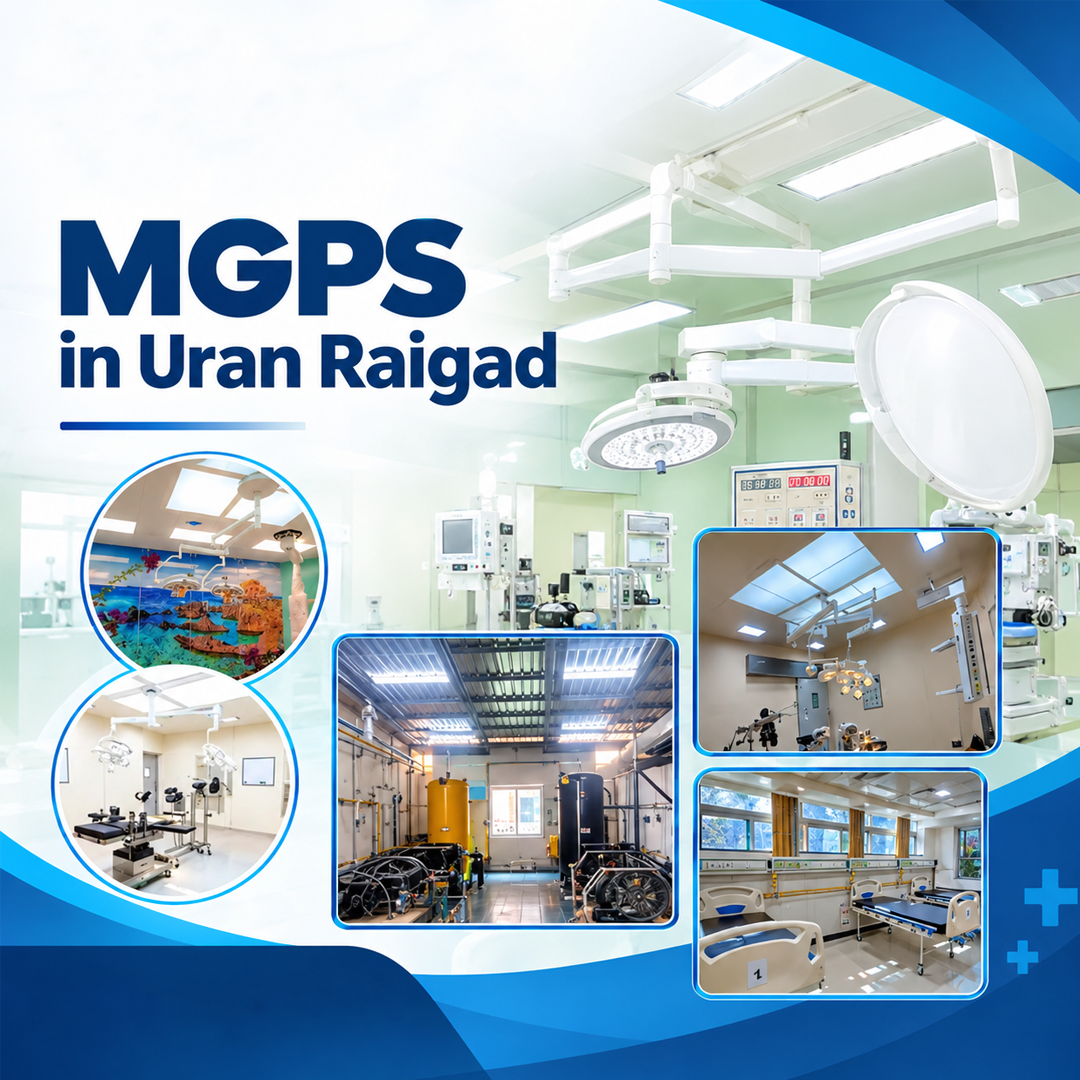
A Medical Gas Pipeline System (MGPS) is one of the most important utility systems in a modern healthcare facility. It provides essential medical gases directly to critical areas such as operating theatres, ICUs, emergency rooms, wards, and recovery areas. Unlike ordinary building services, an MGPS must operate with a high level of reliability because doctors and medical teams may depend on continuous gas availability during patient care. Regular maintenance helps keep the entire system functioning safely and efficiently.
For hospitals and healthcare facilities, scheduled inspections, testing, repairs, and preventive servicing can help identify potential issues before they affect medical operations. A well-maintained MGPS in Uran Raigad also supports consistent pressure, dependable supply, and safer healthcare environments.
Why Does MGPS Reliability Matter?
Medical gas supply can directly support procedures, ventilation, anaesthesia, emergency treatment, and other clinical activities. A disruption can therefore create operational challenges for medical staff.
Pressure fluctuations, leaks, damaged outlets, faulty valves, or alarm failures may affect how efficiently medical teams can access the required services. Regular maintenance helps reduce these risks by allowing potential problems to be identified and corrected before they develop into major system failures.
Helps Prevent Gas Leakage
Gas leakage is one of the key concerns associated with medical gas pipeline networks. Leaks can occur because of damaged joints, deteriorated components, loose connections, faulty valves, or other issues. Even when a leak appears minor, it should not be ignored.
Routine inspection and leak testing can help identify areas requiring attention. Qualified technicians can investigate suspected leaks and carry out appropriate corrective work. Early detection can help maintain system integrity while supporting a safer healthcare environment.
Maintains Consistent Gas Pressure
Different medical applications require appropriate gas pressure for safe and effective operation. Pressure regulators, valves, pipelines, and other components work together to maintain suitable pressure throughout the distribution network. Over time, component wear or system problems can affect pressure stability.
Regular maintenance allows pressure readings to be checked at relevant points. Abnormal readings can then be investigated before they cause wider operational problems. Maintaining appropriate pressure also helps ensure that connected medical equipment receives the required gas supply.
Keeps Medical Gas Outlets Functional
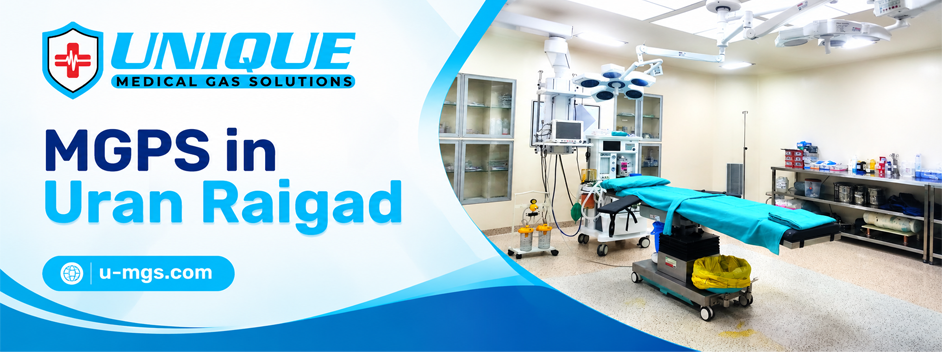
Medical gas outlets are the points where healthcare professionals access the required gas. These outlets are frequently used in hospitals. Repeated use, physical contact, cleaning procedures, and general wear can eventually affect their condition.
Maintenance teams should inspect outlets for visible damage, leakage, connection problems, and other abnormalities. Keeping terminal units in good condition helps medical staff access the required gas supply when needed.
Ensuring Isolation Valves Remain Operational
Isolation valves are important because they allow specific sections of an MGPS in Uran Raigad to be controlled or isolated when necessary. A valve that is difficult to operate, incorrectly identified, damaged, or poorly maintained can create challenges during maintenance or an emergency.
Routine checks can help verify valve condition, accessibility, identification, and operational status. Clear labelling is also important because healthcare personnel need to understand which section of the pipeline a particular valve controls.
Supports Alarm System Reliability
MGPS alarm systems provide important information about abnormal operating conditions. Depending on the installation, alarms may indicate issues such as pressure changes, supply problems, or other system abnormalities.
An alarm is useful only when it works correctly. Regular maintenance should therefore include inspection and testing of alarm panels and associated monitoring components. Testing helps verify that abnormal conditions can be identified and communicated appropriately.
Helps Protect Critical Hospital Areas
Certain areas of a healthcare facility have particularly high medical gas requirements. Operating theatres, intensive care units, emergency departments, and specialised treatment areas may depend heavily on reliable medical gas services.
A preventive maintenance program can prioritise these critical areas and help ensure that associated outlets, valves, pipelines, and alarms remain functional. This approach supports continuity across important clinical operations.
Identifies Pipeline Problems Early
Medical gas pipelines are often installed behind walls, above ceilings, or within service areas. This means that problems may not always be immediately visible. Changes in pressure, unusual sounds, leakage indications, or abnormal system performance can provide clues about potential issues.
Routine testing and inspection can help maintenance teams investigate these signs before they become larger problems. Early identification can also make repairs more manageable and reduce the possibility of unexpected downtime.
Reduces Unexpected Disruptions
Hospitals operate continuously, and unexpected interruptions to essential services can create significant challenges. Preventive maintenance helps shift the focus from reactive repairs to planned inspections and servicing.
Instead of waiting for a valve, alarm, regulator, or other component to fail, maintenance teams can identify deterioration and address it during scheduled work. This can help healthcare facilities plan maintenance activities around their operational requirements.
Supports Hygiene and System Integrity
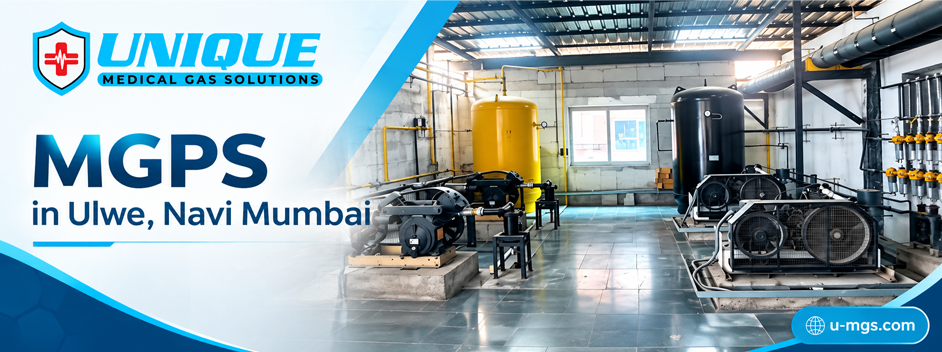
Healthcare environments require careful attention to cleanliness and contamination control. Medical gas systems should therefore be maintained using appropriate procedures and suitable equipment. Components must be handled carefully during installation, inspection, repair, and replacement.
Maintenance activities should also prevent unsuitable substances or contaminants from entering medical gas pipelines. Following established procedures helps preserve the integrity of the system and supports safe medical gas delivery.
Helps Maintain Documentation
An effective MGPS maintenance program should include proper documentation. Maintenance records can include inspection dates, test results, component replacements, repairs, pressure readings, alarm tests, and other relevant information.
These records provide healthcare facility teams with a history of system performance. They can also help maintenance professionals identify recurring issues and plan future servicing more efficiently.
Supports Compliance and Safety Practices
MGPS in Ulwe, Navi Mumbai are subject to technical requirements, safety practices, and applicable healthcare standards. Regular inspection and documentation can help facilities maintain their systems according to relevant requirements.
However, compliance should not be viewed as a one-time activity. Medical gas infrastructure can change over time because of expansion, renovations, equipment replacement, and general component wear. Ongoing maintenance helps keep the system aligned with operational and safety requirements.
What Should Be Included in MGPS Maintenance?
A comprehensive maintenance program may cover several parts of the system, including:
- Medical gas pipelines
- Gas outlets and terminal units
- Isolation valves
- Pressure regulators
- Manifold systems
- Alarm panels
- Pressure gauges
- Control equipment
- Pipeline joints and connections
- Vacuum systems
- Identification and labelling
- Emergency shut-off arrangements
The exact inspection and testing requirements depend on the facility, system configuration, applicable standards, and equipment specifications.
Why Professional MGPS Maintenance Matters in Uran, Raigad
Healthcare facilities in Uran and the wider Raigad region require dependable infrastructure to support daily medical operations. Professional MGPS maintenance provides a structured approach to inspecting, testing, servicing, and repairing the system. Trained technicians can evaluate different components and identify issues that may not be obvious during routine visual checks.
Professional servicing also helps facilities maintain appropriate records and plan preventive maintenance based on system condition.
Final Words
Regular maintenance plays a vital role in keeping an MGPS in Uran Raigad reliable. From preventing leaks and maintaining pressure to testing alarms, checking outlets, inspecting valves, and documenting system performance, every maintenance activity contributes to overall MGPS reliability.
For hospitals and healthcare facilities in Uran, Raigad, preventive maintenance can help reduce unexpected disruptions while supporting the safe and continuous distribution of essential medical gases. Unique Medical Gas Solution provides Medical Gas Pipeline System solutions and related expertise for healthcare facilities.
FAQs
Regular maintenance helps ensure that medical gases reach the required outlets safely and consistently. It can also help identify leaks, pressure issues, faulty components, and other problems before they affect hospital operations.
Maintenance can include checking pipelines, valves, pressure regulators, alarm systems, gas outlets, control panels, joints, and other critical components. Testing and inspection should follow applicable standards and manufacturer recommendations.
A properly maintained MGPS in Uran Raigad helps provide a reliable supply of gases such as oxygen, medical air, and vacuum. Detecting leaks, pressure fluctuations, or component failures early can reduce risks associated with medical gas delivery.
Inspection and maintenance schedules depend on the facility, system design, applicable standards, equipment condition, and manufacturer recommendations. Healthcare facilities should maintain a documented preventive maintenance program.
Warning signs may include unusual pressure readings, gas leakage, alarm activation, damaged outlets, abnormal noises, or interruptions in gas supply. Any suspected issue should be investigated promptly by qualified personnel.
RAG
A Medical Gas Pipeline System is a critical part of modern healthcare infrastructure. It delivers essential gases from centralised sources to operating rooms, ICUs, patient rooms, emergency departments, and other clinical areas. Regular inspection and preventive maintenance help keep pipelines, valves, outlets, alarms, and pressure-control components functioning properly. For healthcare facilities in Uran, Raigad, planned MGPS maintenance can support safe and reliable medical gas distribution.
Even a small issue in a medical gas pipeline can affect pressure, supply reliability, and overall system performance. Routine inspections help identify leaks, damaged components, pressure irregularities, faulty alarms, and other potential concerns at an early stage. Regular testing also provides an opportunity to verify that critical components are functioning as intended. This proactive approach helps healthcare facilities address problems before they disrupt essential medical services.
Properly maintained MGPS infrastructure supports the continuous availability of essential medical gases across healthcare facilities. Scheduled inspections, testing, documentation, and timely replacement of worn components can help maintain system reliability over the long term. For hospitals and healthcare facilities in Uran and the wider Raigad region, professional MGPS maintenance is an important part of maintaining dependable medical infrastructure.