MGPS in Bandra: Cost Factors and Planning Insights
The demand for advanced healthcare infrastructure in Bandra has significantly increased, making Medical Gas Pipeline Systems (MGPS) a critical component of modern hospitals and clinics. An MGPS ensures a continuous, safe, and efficient supply of essential gases like oxygen, medical air, and vacuum to different departments.
However, planning and budgeting for MGPS installation requires a deep understanding of cost drivers, compliance standards, and long-term operational needs. From system design to installation and maintenance, every stage impacts the overall investment. This blog explores the key cost factors and strategic planning insights for implementing the MGPS in Bandra in healthcare facilities.
Understanding MGPS and Its Importance
A Medical Gas Pipeline System (MGPS) is a centralised infrastructure designed to deliver medical gases from a source to various points within a healthcare facility. These systems ensure an uninterrupted supply and eliminate the need for manual cylinder handling, enhancing both efficiency and safety.
MGPS plays a crucial role in:
- Intensive Care Units (ICUs)
- Operation theatres
- Emergency wards
- General patient beds
A well-designed system ensures accurate pressure, consistent flow, and contamination-free delivery of gases, which is vital for patient care.

Key Components Influencing MGPS Cost
Understanding the components helps in identifying where the majority of costs originate.
Gas Source Equipment
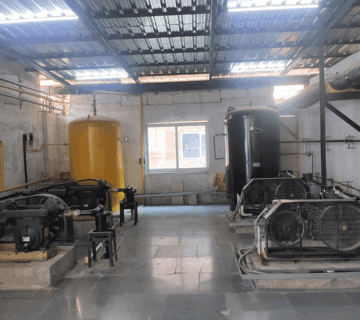
This includes oxygen manifolds, liquid oxygen tanks, compressors, and vacuum pumps. These systems act as the backbone of MGPS and are often the most expensive part of the setup.
- Duplex air systems and vacuum systems alone can cost several lakhs, depending on capacity.
- Redundancy systems (backup supply) further increase costs but are essential for safety.
Pipeline Network
The pipeline network distributes gases across the facility.
- High-quality copper pipes are commonly used due to their durability and contamination resistance.
- Costs depend on hospital size, floor layout, and pipeline length.
In Bandra, where real estate layouts are often compact and multi-story, pipeline complexity can significantly influence pricing.
Control Panels and Alarm Systems
Modern MGPS in Bandra includes advanced monitoring systems:
- Master alarm panels
- Zone valve boxes
- Pressure monitoring systems
These ensure real-time alerts and system control, which are mandatory under healthcare safety standards.
While they add to upfront costs, they reduce risks and downtime.
Terminal Units and Bedhead Panels
Terminal units are the endpoints where gases are accessed.
- Installed in wards, ICUs, and OTs
- Include outlets, regulators, and connectors
Even though individual units may appear low-cost, their quantity across a hospital can significantly impact the total budget.
Installation and Commissioning
Installation involves:
- System design and layout planning
- Pipe installation and testing
- Pressure and leak testing
- Final commissioning
Proper installation ensures safety, efficiency, and compliance with standards such as ISO and HTM guidelines.
Labour and expertise costs in Bandra are typically higher due to urban demand and compliance requirements.

Major Cost Factors in Bandra
Facility Size and Layout
Larger hospitals require more extensive pipelines, additional control systems, and multiple gas sources.
- Multi-floor hospitals increase installation complexity
- Retrofitting existing buildings is more expensive than new installations
Compliance and Safety Standards
MGPS must adhere to strict standards, such as:
- ISO 7396
- HTM guidelines
- NABH requirements
Compliance adds to costs but is essential for licensing and patient safety.
Customization Requirements
Every healthcare facility has unique needs:
- ICU-heavy setups need higher gas flow capacity
- Speciality hospitals may require additional gas types
Customised designs increase engineering and material costs but improve efficiency.
Quality of Materials
Using premium-grade materials such as medical-grade copper pipes and stainless-steel components ensures durability and safety.
Higher-quality materials:
- Reduce maintenance costs
- Increase system lifespan
- Improve overall performance
Maintenance and AMC Costs
MGPS is not a one-time investment.
- Annual Maintenance Contracts (AMC) are essential
- Regular inspections and audits ensure system reliability
Failure to maintain the system can lead to penalties and safety risks.
Planning Insights for MGPS Installation
Opt for Scalable Design
Healthcare facilities in Bandra often expand over time. A scalable MGPS allows future expansion without major redesigns.
Focus on Energy Efficiency
Efficient compressors and vacuum systems reduce operational costs over time.
Investing slightly more upfront can result in long-term savings.
Prioritise Redundancy Systems
Backup systems ensure an uninterrupted gas supply during emergencies.
This is especially critical in high-density urban areas like Bandra, where downtime can be costly.
Engage Experienced MGPS Providers
A reliable provider of the MGPS in Mumbai ensures:
- Proper system design
- Compliance with regulations
- Efficient installation
Experience plays a major role in avoiding costly errors and rework.

Plan for Future Technology Integration
Modern MGPS systems can integrate with:
- IoT-based monitoring
- Centralised hospital management systems
This enhances efficiency and predictive maintenance capabilities.
Challenges in MGPS Implementation
Space Constraints
Urban areas like Bandra often face limited space for equipment installation.
Retrofitting Issues
Upgrading older buildings requires careful planning and can increase costs.
Regulatory Approvals
Obtaining necessary approvals can delay projects if not managed properly.
Wrapping Up
Implementing an MGPS in Bandra requires careful planning, budget allocation, and adherence to strict safety standards. From gas source equipment and pipeline networks to advanced monitoring systems, every component contributes to the overall cost. Strategic decisions such as choosing high-quality materials, scalable designs, and experienced providers can significantly enhance system performance and longevity.
For healthcare facilities looking for reliable, compliant, and efficient MGPS solutions, partnering with experts is essential. To explore advanced MGPS systems tailored to your requirements, visit Unique Medical Gas Solutions and discover how professional solutions can optimise your healthcare infrastructure.