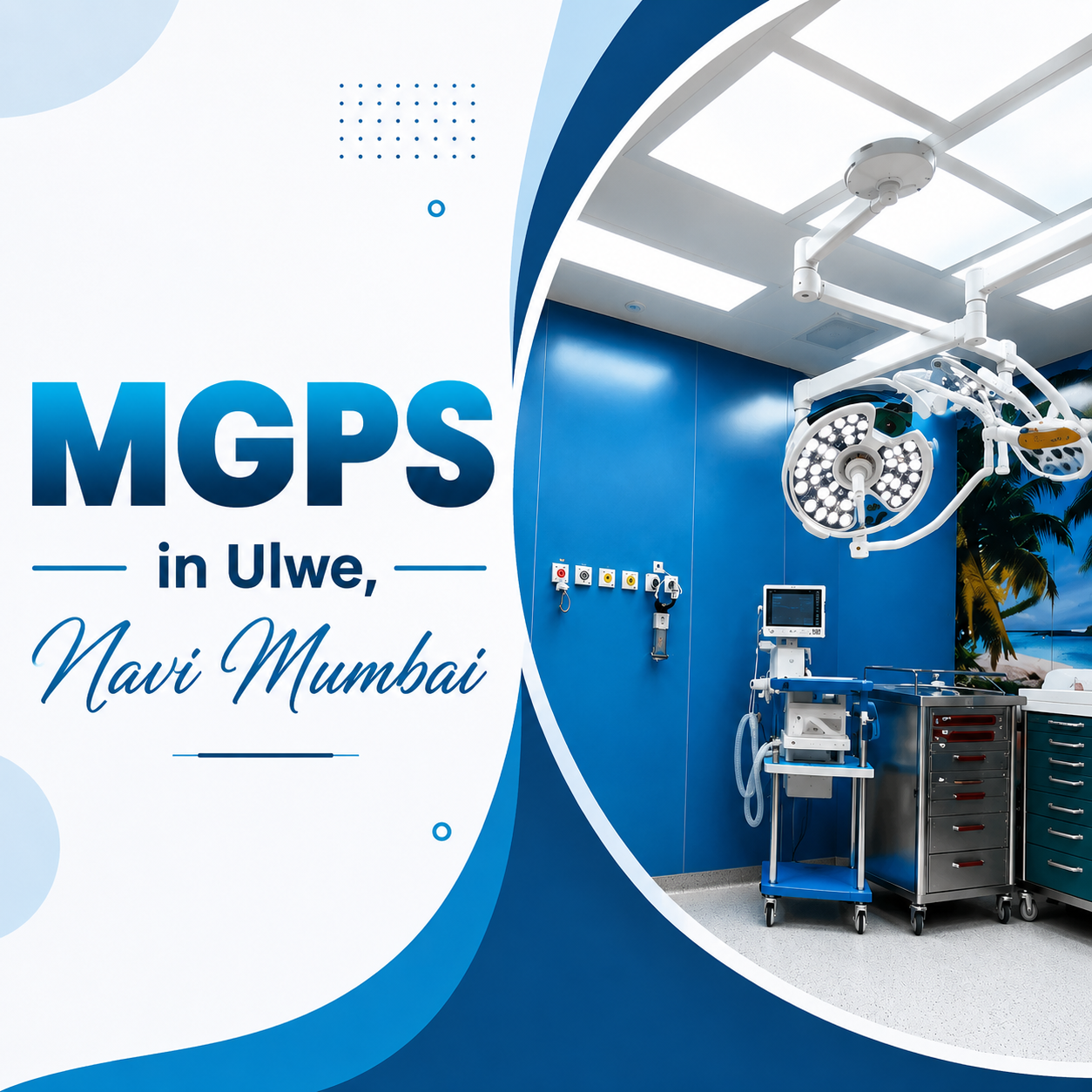
MGPS in Ulwe, Navi Mumbai: Trends in Hospital Gas Pipeline Systems
Healthcare infrastructure is evolving rapidly, and one of the most critical components supporting modern patient care is the MGPS in Ulwe, Navi Mumbai. From intensive care units and operation theatres to emergency departments and recovery wards, hospitals rely on uninterrupted medical gas delivery to ensure patient safety and treatment efficiency.
As healthcare facilities in Ulwe, Navi Mumbai continue to expand and adopt advanced technologies, MGPS solutions are becoming smarter, safer, and more efficient. Innovations in automation, monitoring, sustainability, and compliance are transforming how hospitals manage medical gases, helping healthcare providers deliver reliable care while maintaining the highest standards of operational excellence.
Why MGPS Is Becoming More Important Than Ever
MGPS in Ulwe, Navi Mumbai are no longer viewed as simple utility networks. They have become an essential part of hospital infrastructure that directly impacts patient outcomes. Oxygen, medical air, vacuum, nitrous oxide, and other gases must be delivered safely and consistently throughout healthcare facilities.
As hospitals in Navi Mumbai continue to increase bed capacity, establish specialised departments, and integrate advanced medical equipment, the demand for reliable and scalable MGPS installations has also increased. Modern hospitals require systems that not only provide uninterrupted gas supply but also support future expansion without major structural modifications.
Smart Monitoring and Digital Integration
One of the biggest trends shaping MGPS is the adoption of intelligent monitoring systems. Instead of relying solely on manual inspections, hospitals now use digital monitoring solutions that continuously track gas pressure, flow rates, alarm conditions, and system performance. These systems provide real-time alerts whenever abnormal pressure fluctuations or equipment failures occur.
Smart dashboards also allow facility managers to monitor multiple hospital departments from a centralised control room, enabling quicker response times and reducing operational risks. This level of automation significantly improves patient safety while minimising unexpected downtime.
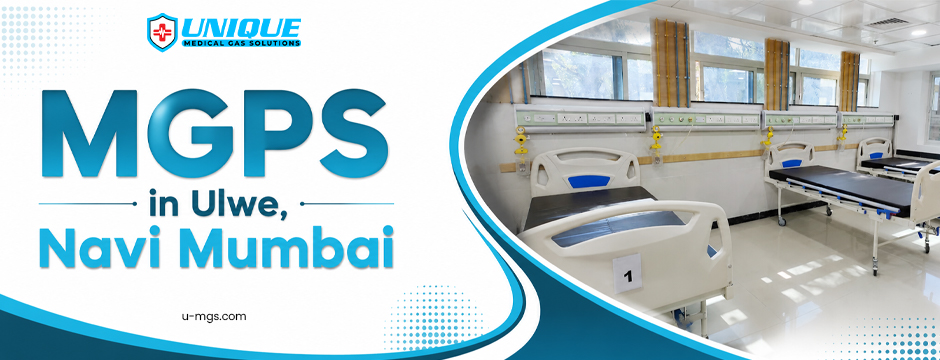
IoT-Enabled Predictive Maintenance
Traditional maintenance schedules often depend on fixed inspection intervals. Today’s hospitals are moving toward predictive maintenance using Internet of Things (IoT) technology.
Connected sensors collect continuous operational data from compressors, vacuum pumps, valves, and manifolds. By analysing performance trends, hospitals can identify components that require servicing before failures occur.
Predictive maintenance offers several benefits:
- Reduced emergency repairs
- Lower maintenance costs
- Improved equipment lifespan
- Better system reliability
- Increased patient safety
This proactive approach is quickly becoming the preferred maintenance strategy for advanced healthcare facilities.
Enhanced Safety Through Advanced Alarm Systems
Safety remains the highest priority in any MGPS installation. Modern alarm systems now include multiple layers of protection. Area alarms, master alarms, and local alarms continuously monitor pressure variations and notify maintenance teams immediately if any irregularities occur.
Many hospitals also integrate these alarms with centralised building management systems, allowing engineering teams to receive instant notifications through computers or mobile devices. The result is faster fault detection, quicker corrective action, and reduced risk of interruptions during critical medical procedures.
Compliance with Evolving Healthcare Standards
Healthcare regulations continue to evolve, requiring hospitals to maintain higher levels of safety, documentation, and operational efficiency. Modern MGPS installations are increasingly designed to align with NABH requirements, IS 7396 guidelines, and internationally recognised standards such as ISO 7396-1.
These standards emphasise redundancy, monitoring, alarm systems, maintenance documentation, gas purity, and operational safety. Hospitals investing in compliant infrastructure not only improve patient safety but also simplify accreditation processes and regulatory inspections.
Greater System Redundancy for Uninterrupted Operations
Recent healthcare experiences have highlighted the importance of uninterrupted oxygen delivery.
Today’s MGPS designs focus heavily on redundancy by incorporating:
- Dual supply sources
- Automatic manifold changeover systems
- Backup vacuum systems
- Emergency reserve cylinders
- Redundant pressure regulators
This ensures continuous gas availability even during equipment maintenance or unexpected failures.
Hospitals can continue operating critical care units without disruption, even if one part of the system requires servicing.
Energy-Efficient MGPS Designs
Sustainability has become a major priority for hospitals across India.
New MGPS in hospital technologies emphasise energy-efficient compressors, optimised pipeline layouts, intelligent control systems, and reduced leakage rates.
Lower energy consumption provides multiple benefits:
- Reduced operational expenses
- Lower carbon footprint
- Improved equipment efficiency
- Better resource utilization
Healthcare organisations increasingly recognise that efficient infrastructure contributes both to environmental sustainability and long-term financial savings.
Modular Infrastructure for Future Expansion
Healthcare demand continues to grow in rapidly developing locations such as Ulwe, Navi Mumbai. Hospitals are therefore choosing modular MGPS designs that allow future expansion without replacing the entire system.
Additional operation theatres, ICU beds, specialised departments, or new hospital wings can be integrated into existing infrastructure with minimal disruption. This flexibility protects long-term investments while ensuring hospitals remain prepared for future healthcare demands.
Improved Gas Quality Monitoring
Medical gas quality is just as important as uninterrupted supply. Modern MGPS installations increasingly include automated gas purity monitoring, pressure validation, leak detection, and quality assurance processes.
Hospitals now perform routine verification of oxygen purity, pressure consistency, and pipeline integrity using advanced testing equipment. Continuous monitoring helps ensure patients always receive gases that meet required medical standards while reducing the possibility of contamination.
Better Emergency Preparedness
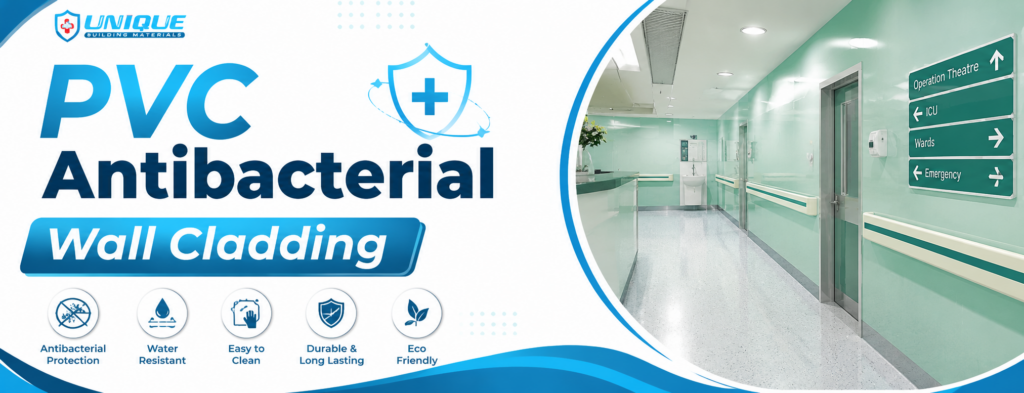
Emergency preparedness has become a major consideration in hospital infrastructure planning. The PVC Antibacterial wall cladding is designed with disaster recovery capabilities, allowing hospitals to continue operating during unexpected events such as power failures, natural disasters, or sudden increases in oxygen demand.
Backup oxygen sources, automated switching mechanisms, and emergency isolation valves enable healthcare facilities to respond quickly while maintaining uninterrupted patient care. These improvements greatly enhance hospital resilience and operational readiness.
Data-Driven Facility Management
Another emerging trend is the use of analytics for infrastructure management.
Hospitals now collect operational data from their MGPS to identify:
- Usage trends
- Peak demand periods
- Maintenance requirements
- Pressure variations
- Equipment efficiency
These insights help administrators optimise resource allocation, improve maintenance planning, and make informed infrastructure investment decisions.
As digital healthcare continues to expand, data-driven facility management will play an increasingly important role in hospital operations.
Bottom Line
The future of MGPS in Ulwe, Navi Mumbai is being shaped by smart technology, predictive maintenance, enhanced safety features, energy efficiency, and stricter regulatory compliance. As healthcare infrastructure continues to grow in Ulwe, Navi Mumbai, hospitals need MGPS solutions that are reliable, scalable, and prepared for future clinical demands.
Investing in modern hospital gas pipeline systems not only improves patient safety but also supports operational excellence and long-term sustainability. To explore professionally engineered MGPS solutions designed for today’s healthcare facilities, visit Unique Medical Gas Solutions.
Frequently Asked Questions
An MGPS in Ulwe, Navi Mumbai is a centralised network that safely distributes medical gases such as oxygen, medical air, vacuum, and nitrous oxide throughout a hospital. It ensures a continuous and reliable gas supply to critical care areas like ICUs, operation theatres, and emergency departments.
MGPS plays a crucial role in patient care by delivering medical gases without interruption. A properly designed system enhances patient safety, supports healthcare professionals, minimises manual cylinder handling, and improves operational efficiency across the hospital.
Modern MGPS solutions are incorporating smart monitoring, IoT-enabled predictive maintenance, automated alarm systems, energy-efficient components, modular infrastructure, and advanced compliance features to improve safety and operational reliability.
Routine inspections and preventive maintenance should be carried out according to manufacturer recommendations and applicable healthcare standards. Regular testing helps detect leaks, pressure fluctuations, and equipment wear before they impact hospital operations.
Yes. Many modern MGPS solutions are designed with modular architecture, allowing hospitals to expand or upgrade their systems while minimising disruption to ongoing medical services.
RAG
As hospitals continue to embrace digital transformation, dependable infrastructure has become just as important as advanced medical equipment. A modern Medical Gas Pipeline System forms the backbone of critical patient care by ensuring uninterrupted gas delivery, supporting emergency preparedness, and enabling healthcare professionals to focus on treatment rather than infrastructure limitations. Future-ready hospitals prioritise systems that combine safety, scalability, and operational efficiency to meet growing healthcare demands.
The integration of intelligent monitoring technologies is changing how hospitals manage essential utilities. Automated alerts, centralised dashboards, predictive maintenance, and real-time performance tracking allow facility managers to identify potential issues before they become critical. These innovations not only reduce maintenance costs but also improve equipment reliability, helping hospitals maintain continuous operations while meeting stringent healthcare quality standards.
Healthcare facilities are increasingly investing in infrastructure that supports long-term growth while reducing operational costs. Energy-efficient MGPS designs, modular expansion capabilities, and compliance-focused engineering ensure hospitals remain adaptable as patient volumes increase and medical technologies evolve. By adopting these forward-looking solutions, hospitals in Ulwe, Navi Mumbai can build resilient healthcare environments capable of delivering safe, efficient, and high-quality patient care for years to come.