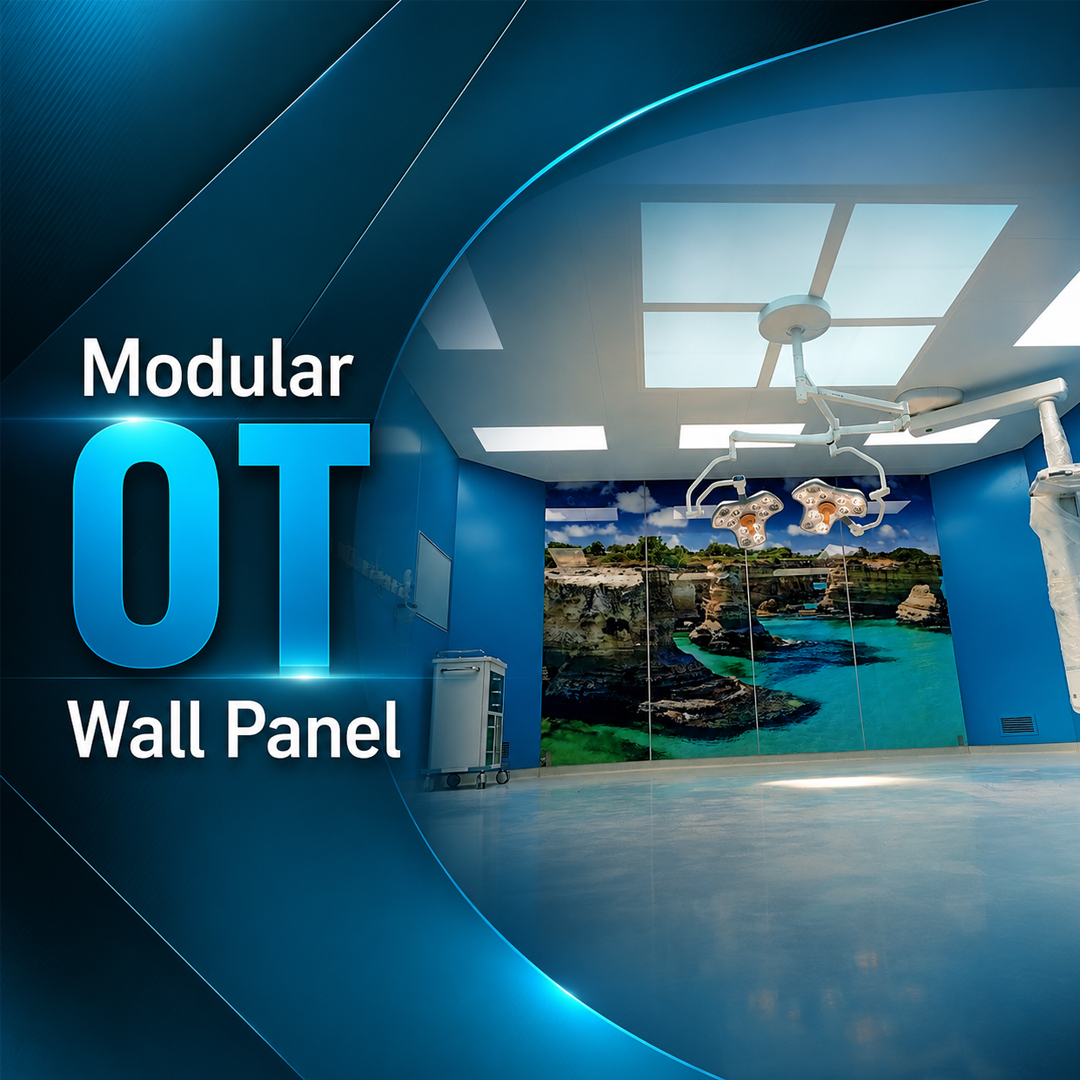
Modular OT Wall Panel: Key Components and Technical Specifications
Modern healthcare facilities demand operating theatres that meet the highest standards of hygiene, safety, and efficiency. This is why a Modular OT Wall Panel have become a preferred choice for hospitals, speciality clinics, and surgical centres. These advanced wall systems create a sterile, durable, and easy-to-maintain environment while supporting the integration of critical medical equipment.
Unlike conventional construction, modular wall panels are manufactured with precision and installed quickly, reducing project timelines and minimising disruption. Understanding the key components and technical specifications of modular OT wall panels helps healthcare organisations make informed decisions when planning new operating theatres or upgrading existing surgical spaces.
What Are Modular OT Wall Panels?
A Modular OT Wall Panel is a prefabricated wall system specifically designed for operating theatres and other sterile healthcare environments. They create smooth, seamless, and hygienic surfaces that prevent dust accumulation and microbial growth while supporting infection control protocols.
These panels also allow hospitals to integrate essential OT utilities such as electrical outlets, medical gas terminals, communication systems, control panels, observation windows, and storage units without compromising cleanliness or accessibility. Their modular design enables easier maintenance, future upgrades, and faster installation compared to traditional brick-and-plaster construction.
Why Are Modular Wall Panels Essential in Modern Operating Theatres?
Operating theatres require a controlled environment where every surface contributes to patient safety.
- Maintain sterile surgical conditions
- Support infection prevention
- Improve cleaning efficiency
- Resist chemicals and disinfectants
- Provide long-term durability
- Reduce maintenance requirements
- Enable seamless integration of OT equipment
- Meet healthcare construction standards
These advantages make modular OT systems suitable for multispecialty hospitals, trauma centres, cardiac units, orthopaedic OTs, transplant facilities, and minimally invasive surgical suites.
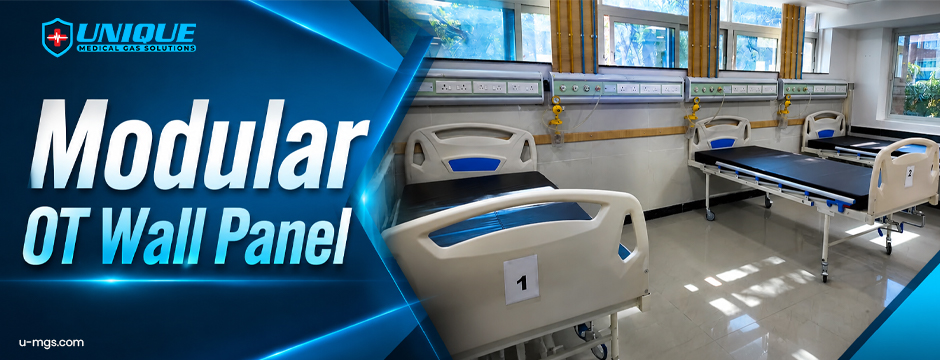
Key Components of Modular OT Wall Panels
Structural Framework
The structural framework forms the backbone of the Modular OT Cost in India.
Typically constructed using galvanised steel or corrosion-resistant metal sections, the framework provides:
- Structural stability
- Load-bearing capacity
- Dimensional accuracy
- Long service life
- Support for mounted equipment
A properly designed framework also simplifies future maintenance since individual panels can often be removed without dismantling the complete wall system.
Modular Wall Panels
The wall panels themselves are the most visible component of the OT.
Depending on project requirements, manufacturers commonly use:
- Stainless steel
- High Pressure Laminate (HPL)
- Powder-coated galvanised steel
- Specialised antimicrobial composite panels
These materials offer:
- Smooth finish
- Non-porous surfaces
- High impact resistance
- Excellent corrosion resistance
- Easy cleaning
The seamless appearance minimises joints where bacteria or contaminants could accumulate.
Antimicrobial Surface Coating
One of the most important features of Modular OT as per NABH Guidelines, is its antimicrobial coating.
These coatings help:
- Reduce bacterial survival
- Resist fungal growth
- Improve hygiene
- Simplify routine cleaning
Although antimicrobial coatings are not substitutes for proper disinfection, they contribute significantly to infection control strategies in healthcare environments.
Insulation Core
Most modular wall panels include an insulated core.
Common insulation materials include:
- Polyurethane foam (PUF)
- Rock wool
- Mineral wool
- Honeycomb aluminum structures
Benefits include:
- Thermal insulation
- Acoustic insulation
- Structural rigidity
- Moisture resistance
- Improved energy efficiency
The insulation also enhances patient comfort by helping maintain stable OT temperatures.
Flush-Mounted Accessories
Modern modular OT wall systems are designed to integrate numerous accessories seamlessly.
Examples include:
- Medical gas outlets
- Electrical sockets
- Data ports
- Nurse call systems
- X-ray viewing screens
- Touch control panels
- Display monitors
- Cabinets
- Storage units
Flush installation eliminates protrusions that could collect dust or interfere with equipment movement.
Observation Windows
Many operating theatres include double-glazed observation windows.
These windows provide:
- Visibility from adjacent rooms
- Improved workflow
- Infection control
- Noise reduction
- Thermal insulation
The flush-mounted design ensures easy cleaning while maintaining sterile conditions.
Sealing System
Special sealing materials are used around joints to create airtight connections.
A quality sealing system provides:
- Dust resistance
- Moisture protection
- Air leakage prevention
- Improved infection control
Proper sealing also supports positive pressure maintenance inside the operating theatre.
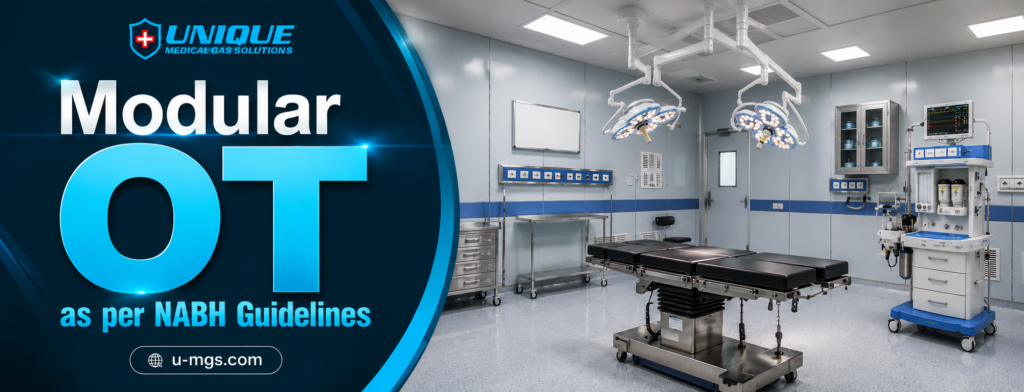
Important Technical Specifications
Panel Thickness
Wall panel thickness varies depending on the manufacturer and project requirements.
Typical thickness ranges include:
- 40 mm
- 50 mm
- 60 mm
- 80 mm
Thicker panels generally provide improved insulation and higher structural strength.
Material Specifications
Popular panel materials include:
- SS 304 stainless steel
- Powder-coated galvanised steel
- High Pressure Laminate (HPL)
- Aluminum composite systems
The selected material depends on:
- Budget
- Hospital standards
- Durability requirements
- Cleaning protocols
Fire Resistance
Healthcare buildings require materials with high fire performance.
Quality modular wall panels often include:
- Fire-retardant core materials
- Low smoke generation
- Compliance with applicable healthcare fire safety standards
Fire resistance improves overall patient and staff safety.
Chemical Resistance
Operating theatres undergo frequent cleaning with aggressive disinfectants.
Wall panels should resist exposure to:
- Alcohol-based disinfectants
- Chlorine solutions
- Hydrogen peroxide
- Hospital-grade cleaning chemicals
Chemical-resistant finishes prevent discolouration and surface degradation.
Surface Finish
The wall surface should be:
- Smooth
- Seamless
- Scratch resistant
- Non-porous
- Easy to disinfect
A glossy or satin finish is commonly selected depending on hospital design preferences.
Moisture Resistance
Operating theatres experience frequent cleaning and humidity control.
Wall systems should resist:
- Water absorption
- Moisture penetration
- Mold growth
- Surface swelling
Moisture-resistant construction improves longevity.
Acoustic Performance
Noise reduction is an important consideration in surgical environments.
Insulated modular panels help reduce:
- External noise
- Equipment vibration
- Sound transmission between adjacent rooms
Improved acoustics contribute to a more focused surgical environment.
Load-Bearing Capacity
OT walls often support mounted equipment, including:
- Surgical monitors
- Medical pendants
- Storage cabinets
- Control systems
- Imaging displays
The wall structure must safely handle these loads without deformation.
Cleanability
Easy maintenance remains one of the biggest advantages of modular wall panels.
The surface should tolerate:
- Frequent wiping
- Wet cleaning
- Steam cleaning
- Hospital disinfectants
This helps maintain strict infection control standards.
Compliance with Healthcare Standards
A modular OT Control Panel should comply with relevant healthcare construction and cleanroom guidelines, including requirements related to hygiene, fire protection, ventilation, air pressure, and commissioning tests such as air change rates, particulate counts, and temperature and humidity control.
Advantages of High-Quality Modular OT Wall Panels
Choosing premium modular wall systems offers several long-term benefits:
- Faster installation
- Reduced downtime
- Improved infection control
- Excellent durability
- Easy maintenance
- Better aesthetics
- Future expandability
- Lower lifecycle costs
- Enhanced patient safety
- Improved staff efficiency
These advantages make an OT wall panel a valuable investment for healthcare institutions.
Factors to Consider Before Choosing a Modular OT Wall Panel System
Healthcare organisations should evaluate several factors before selecting a system:
- Material quality
- Manufacturing standards
- Antimicrobial properties
- Fire performance
- Chemical resistance
- Ease of maintenance
- Equipment integration capability
- Future expansion options
- Compliance certifications
- Installation expertise
- After-sales support
Working with experienced modular OT solution providers ensures better project execution and long-term reliability.
End Thoughts
A Modular OT Wall Panel has transformed the design and functionality of modern operating theatres by delivering superior hygiene, durability, flexibility, and efficiency. Their advanced construction, seamless integration capabilities, and compliance with healthcare standards make them an essential component of contemporary surgical environments.
Whether planning a new hospital, expanding an existing facility, or upgrading an operating theatre, investing in high-quality modular OT wall systems ensures long-term performance and improved patient safety. To explore reliable, innovative modular OT solutions tailored to your healthcare infrastructure needs, visit Unique Medical Gas Solutions and discover how U-MGS can help build world-class surgical environments.