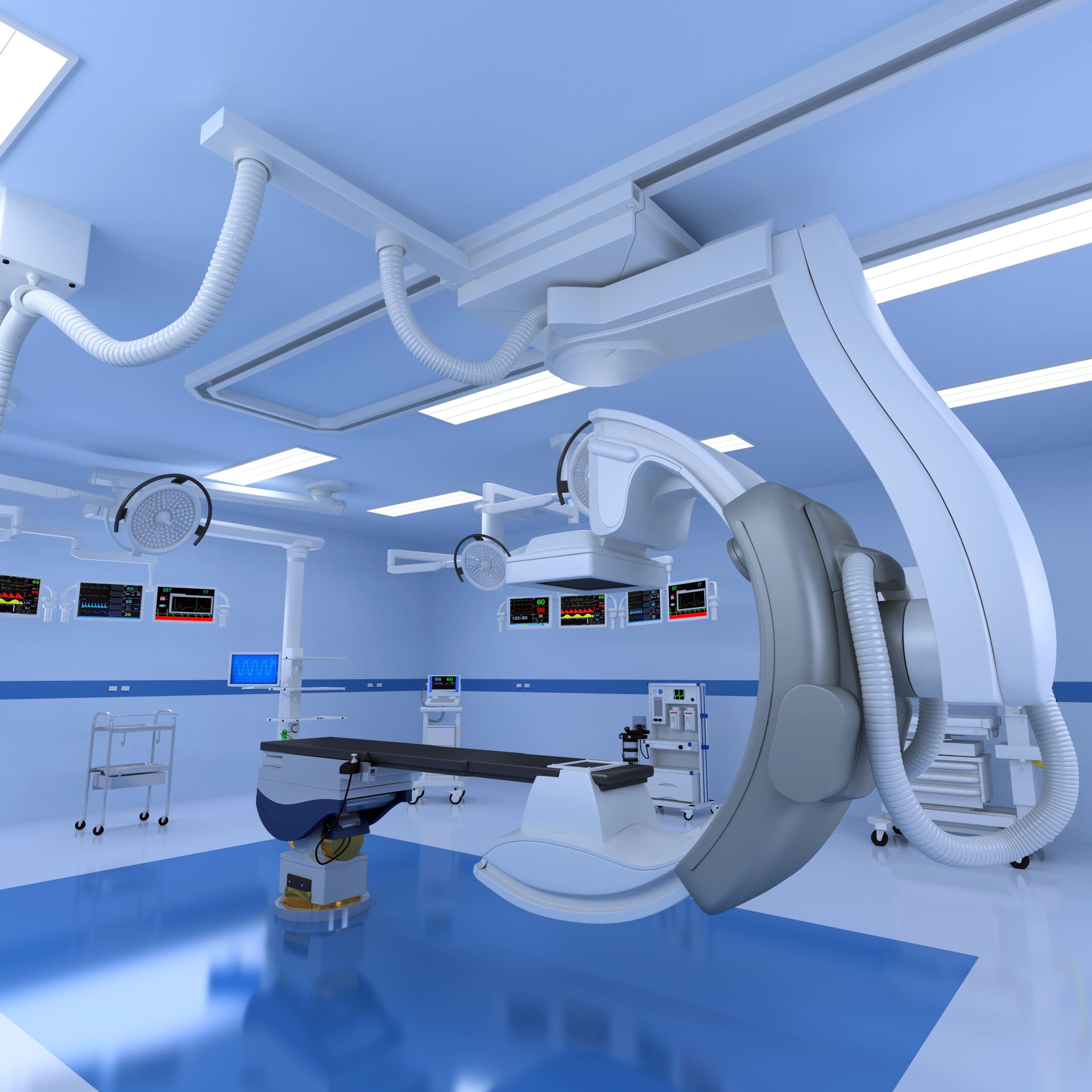
Smart Operation Theatre Control Panel for Modern Hospitals
In today’s rapidly evolving healthcare landscape, hospitals are embracing intelligent technologies to enhance patient safety, surgical precision, and operational efficiency. One of the most transformative innovations in this space is the smart operating theatre (OT) control panel.
Designed to centralise and automate critical functions within the OT, these advanced systems empower surgeons and medical staff with seamless control over lighting, ventilation, medical gases, and digital integrations. As hospitals strive for higher standards of care and compliance, smart MGPS in Mumbai are no longer a luxury—they are becoming a necessity for modern surgical environments.
What is a Smart Operation Theatre Control Panel?
A smart operation theatre control panel is an integrated digital interface that allows healthcare professionals to manage and monitor various OT functions from a single touchpoint. Unlike traditional systems, which require manual adjustments across multiple devices, a smart panel consolidates all controls into one centralised system.
These panels typically include touchscreen interfaces, programmable settings, and real-time monitoring capabilities. They are designed to optimize workflow efficiency while ensuring that critical parameters such as temperature, humidity, and pressure remain within safe limits during surgical procedures.
Key Features of Smart OT Control Panels
Centralised Control System
One of the most significant advantages of an MGPS in Mumbai is centralised control. Medical staff can manage:
- Surgical lighting intensity
- HVAC (Heating, Ventilation, and Air Conditioning) systems
- Medical gas supply
- Room pressure and airflow
- Power supply systems
This eliminates the need for multiple manual interventions, reducing the risk of human error.
Touchscreen Interface and User-Friendly Design
Modern smart OT panels feature intuitive touchscreen interfaces that are easy to use, even in high-pressure situations. The interface is designed for quick navigation, enabling surgeons and technicians to make adjustments without disrupting surgical procedures.
Real-Time Monitoring and Alerts
Smart panels provide continuous real-time data on critical OT parameters. If any value deviates from the preset range, the system generates instant alerts. This ensures timely intervention and enhances patient safety.
Integration with Hospital Systems
These panels can seamlessly integrate with hospital management systems (HMS), electronic medical records (EMR), and surgical equipment. This allows for:
- Data logging and reporting
- Remote monitoring
- Improved coordination between departments
Customizable Settings
Every surgical procedure has unique requirements. Smart OT panels allow customisation of settings such as lighting levels, airflow, and temperature, ensuring optimal conditions for different types of surgeries.

Benefits of Smart OT Control Panels
Enhanced Patient Safety
Patient safety is the top priority in any surgical procedure. Smart OT panels minimise risks by maintaining controlled environments and providing alerts for any deviations. Automated systems ensure that critical parameters remain stable throughout the operation.
Improved Surgical Efficiency
By reducing manual interventions, smart panels enable surgical teams to focus entirely on the procedure. Quick adjustments and automated controls save valuable time and improve workflow efficiency.
Energy Efficiency and Cost Savings
Smart systems optimise energy usage by regulating lighting, ventilation, and equipment based on real-time needs. This not only reduces operational costs but also supports sustainable hospital practices.
Reduced Human Error
Manual operations are prone to errors, especially in high-stress environments like operating theatres. Smart control panels automate processes, significantly reducing the likelihood of mistakes.
Compliance with Healthcare Standards
Modern hospitals must comply with strict regulations and standards. Smart OT panels help maintain compliance by ensuring that environmental conditions meet required guidelines consistently.

Components of a Smart OT Control Panel
A typical smart OT control panel consists of several integrated components:
- Touchscreen Display Unit: The primary interface for control and monitoring
- Microprocessor-Based Control System: Handles automation and data processing
- Sensor Network: Monitors temperature, humidity, pressure, and gas levels
- Communication Modules: Enable integration with hospital systems
- Alarm and Notification System: Provides alerts for abnormal conditions
These components work together to create a highly responsive and reliable system.
Applications in Modern Hospitals
Smart OT control panels are widely used across various healthcare facilities, including:
Multi-Speciality Hospitals
Large hospitals performing complex surgeries benefit greatly from these systems due to their ability to handle multiple parameters simultaneously.
Specialty Clinics
Clinics focusing on specific procedures, such as orthopaedics or cardiology, use smart panels to maintain precise environmental conditions.
Emergency Surgical Units
In emergencies, quick decision-making is critical. Smart panels allow instant adjustments, improving response times.
Future Trends in Smart OT Technology
The future of smart operating theatres is driven by advancements in digital healthcare and automation. Some emerging trends include:
AI Integration
Artificial Intelligence (AI) is being integrated into OT systems to predict and prevent potential issues before they occur. AI can analyse historical data and recommend optimal settings for specific procedures.
IoT-Enabled Devices
The Internet of Things (IoT) is enhancing connectivity between devices, enabling seamless communication and data sharing within the OT.
Remote Monitoring and Control
With cloud-based systems, hospital administrators and specialists can monitor OT conditions remotely, ensuring continuous oversight.
Voice-Controlled Interfaces
Voice-activated systems are being developed to allow surgeons to control OT settings without physical contact, maintaining sterility.
Challenges and Considerations
While smart OT control panels offer numerous advantages, there are some challenges to consider:
- Initial Investment Costs: Advanced systems require significant upfront investment
- Training Requirements: Staff must be trained to operate and manage the system effectively
- Maintenance and Upgrades: Regular maintenance is essential to ensure optimal performance
Despite these challenges, the long-term benefits far outweigh the initial costs.
Why Hospitals Are Adopting Smart OT Control Panels?
The shift toward smart operating theatres is driven by the need for precision, efficiency, and safety. Hospitals are increasingly recognising that traditional systems are no longer sufficient to meet modern healthcare demands.
Smart OT panels provide a future-ready solution that aligns with digital transformation goals. They not only improve surgical outcomes but also enhance the overall patient experience.
Bottom Line
Smart operation theatre control panels are revolutionising the way surgeries are conducted in modern hospitals. By integrating advanced technologies, MGPS in Mumbai offer unparalleled control, safety, and efficiency. From real-time monitoring to automated adjustments, they empower medical professionals to deliver the highest standard of care.
As healthcare continues to evolve, investing in smart OT solutions is no longer optional—it is essential. For hospitals looking to upgrade their infrastructure and embrace cutting-edge medical technology, partnering with experts like Unique Medical Gas Solutions can make all the difference. Explore advanced solutions and transform your operating theatre with innovation by visitingus.